Compression therapy is a powerful tool in rehabilitation and recovery that uses specially designed garments to apply pressure to specific areas of the body. By improving circulation, reducing swelling, and supporting muscle and joint function, this therapy plays an essential role in both injury recovery and chronic condition management. As an evidence-based approach used in clinics like Tonic Physio, compression therapy offers measurable benefits for patients with circulatory issues, muscle soreness, varicose veins, and more.
At its core, compression therapy enhances blood flow and lymphatic drainage, helping the body recover from stress, strain, or injury more efficiently. For athletes, older adults, and individuals with chronic limb swelling, the right compression intervention can accelerate healing and reduce pain.
What Is Compression Therapy?
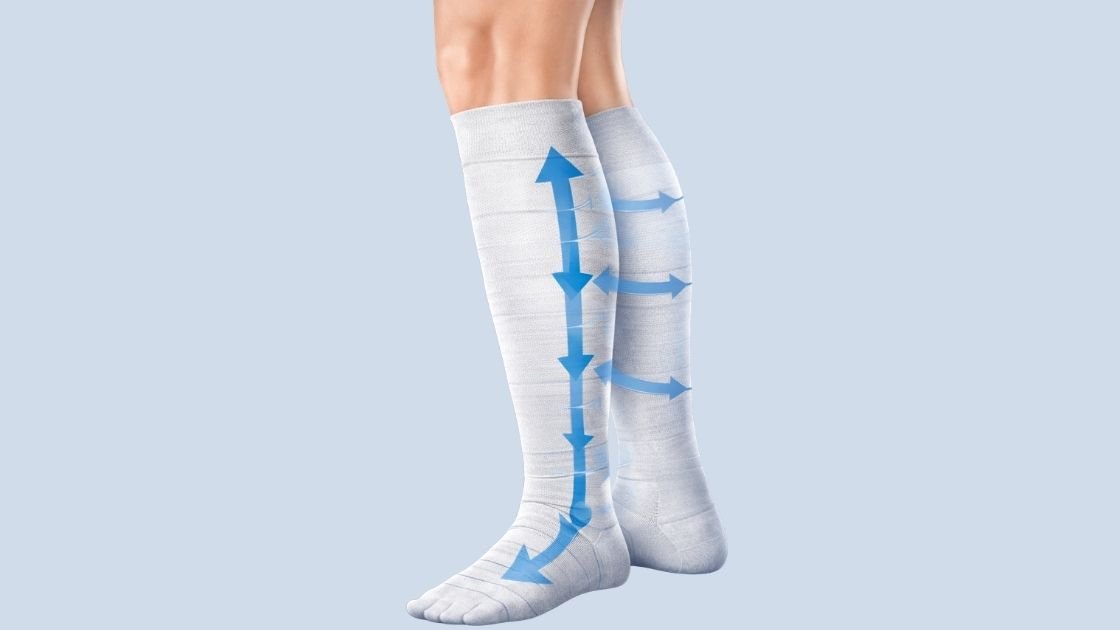
Compression therapy involves the application of controlled pressure to limbs or joints using garments such as sleeves, socks, or specialized wraps. This pressure helps move fluid out of swollen areas and enhances venous return, which is the flow of blood back toward the heart. Considering that inefficient circulation or stagnant fluid contributes to pain and fatigue, compression therapy offers a physiological advantage for a range of conditions.
Medical-grade compression products are designed to deliver graduated pressure: stronger at the extremity (like the ankle) and gradually less as they move upward. This gradient supports upward circulation and reduces swelling more effectively than generic elastic wear.
Whether incorporated into daily life or as part of a structured rehabilitation plan, compression garments are often recommended by therapists and clinicians alongside other treatments.
How Compression Therapy Supports Recovery
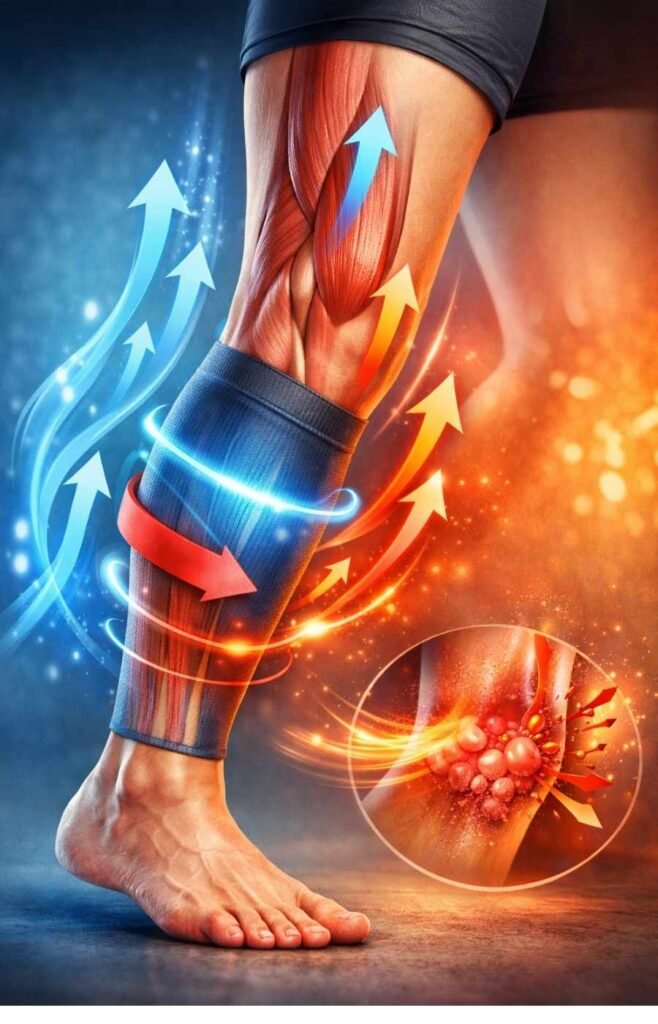
The physiological effects of compression therapy make it particularly useful for both acute injuries and chronic conditions. When muscles are stressed or joints are inflamed, compression can:
- Enhance blood flow to muscle and connective tissue
- Reduce the accumulation of metabolic byproducts that cause soreness
- Support joint alignment and proprioception (body awareness)
- Control swelling after injury or surgery
For athletes, this translates into faster recovery between workouts or events. For chronic sufferers, it means reduced discomfort and improved function during daily activities. Because the benefits come from improved vascular and lymphatic activity, compression is an ideal complement to manual therapies and movement-based care.
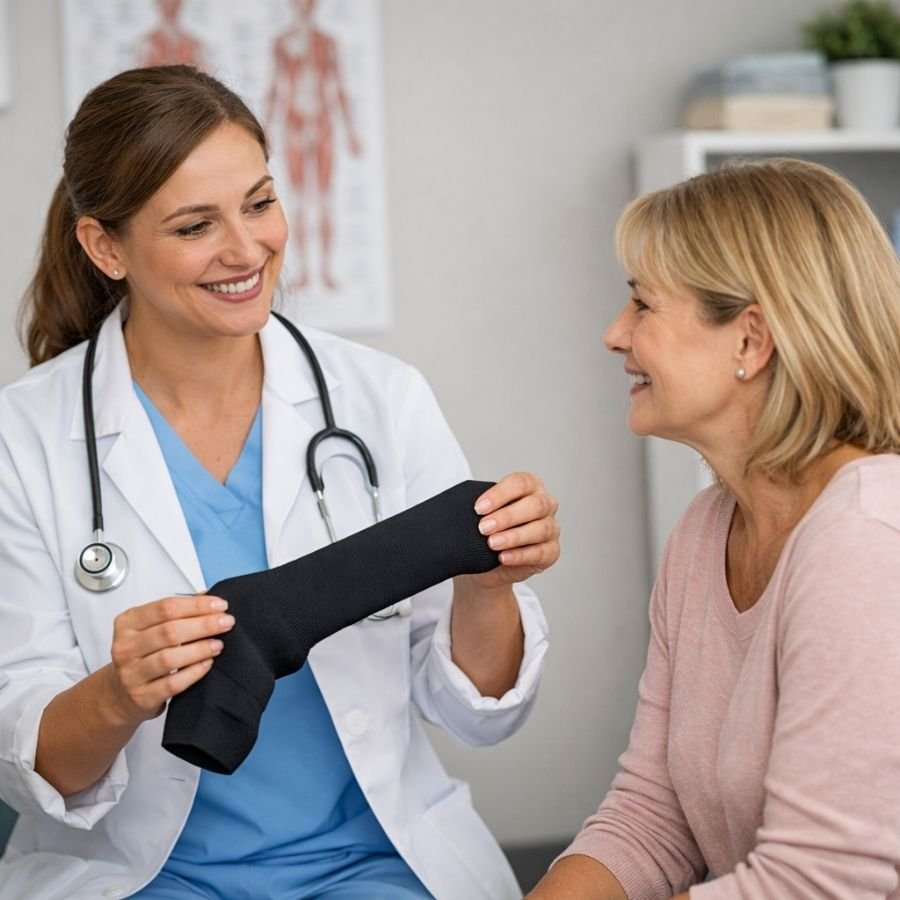
For medically guided compression solutions, many patients at Tonic Physio benefit from professional fitting and assessment when using compression socks that provide graduated pressure to support circulation and reduce swelling.
Health Conditions That Benefit from Compression
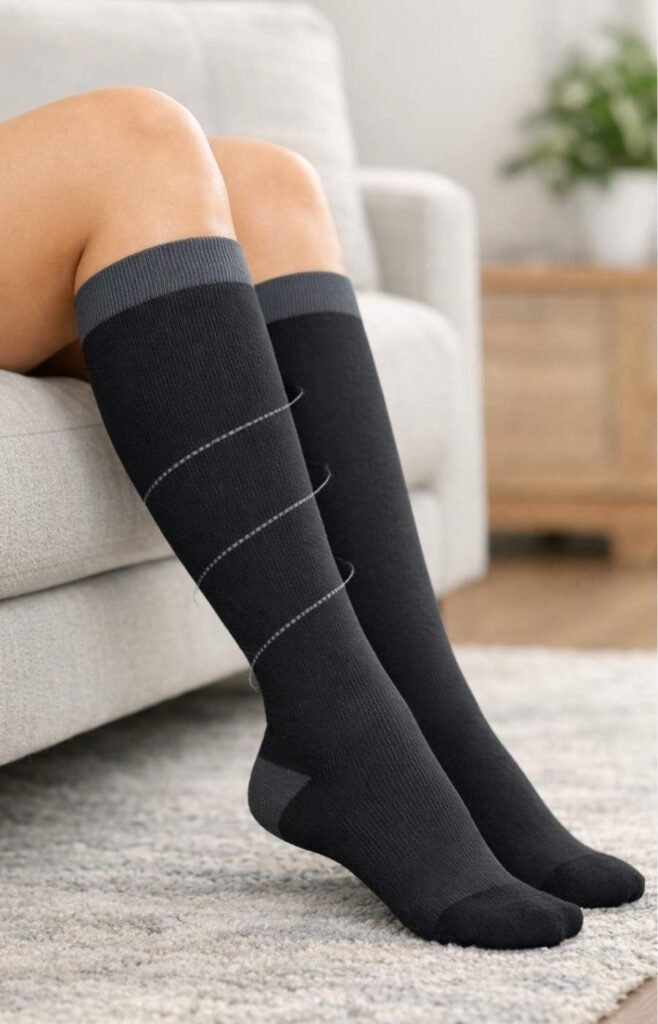
Compression therapy isn’t a one-size-fits-all solution. It works especially well for conditions tied to vascular or lymphatic dysfunction, overuse injuries, and swelling. Common use cases include:
1. Varicose Veins and Chronic Venous Insufficiency
Poor venous return can lead to varicose veins and aching in the lower limbs. Sauna-style compression promotes efficient blood movement and reduces feelings of heaviness.
2. Post-Surgical Swelling
After procedures on the legs or arms, fluid buildup is a natural inflammatory response. Graduated compression helps manage swelling and supports the body’s healing cascade.
3. Edema and Lymphedema
Edema develops when fluid collects in tissues. Medical compression garments help propel fluid out of swollen regions and back into circulation.
4. Sports Injuries
In acute injuries like strains or sprains, compression reduces fluid accumulation and, when combined with active care, can speed up the recovery process. Pairing compression with physiotherapy exercises enhances strength and tissue repair.
Compression Therapy in Combination with Physiotherapy
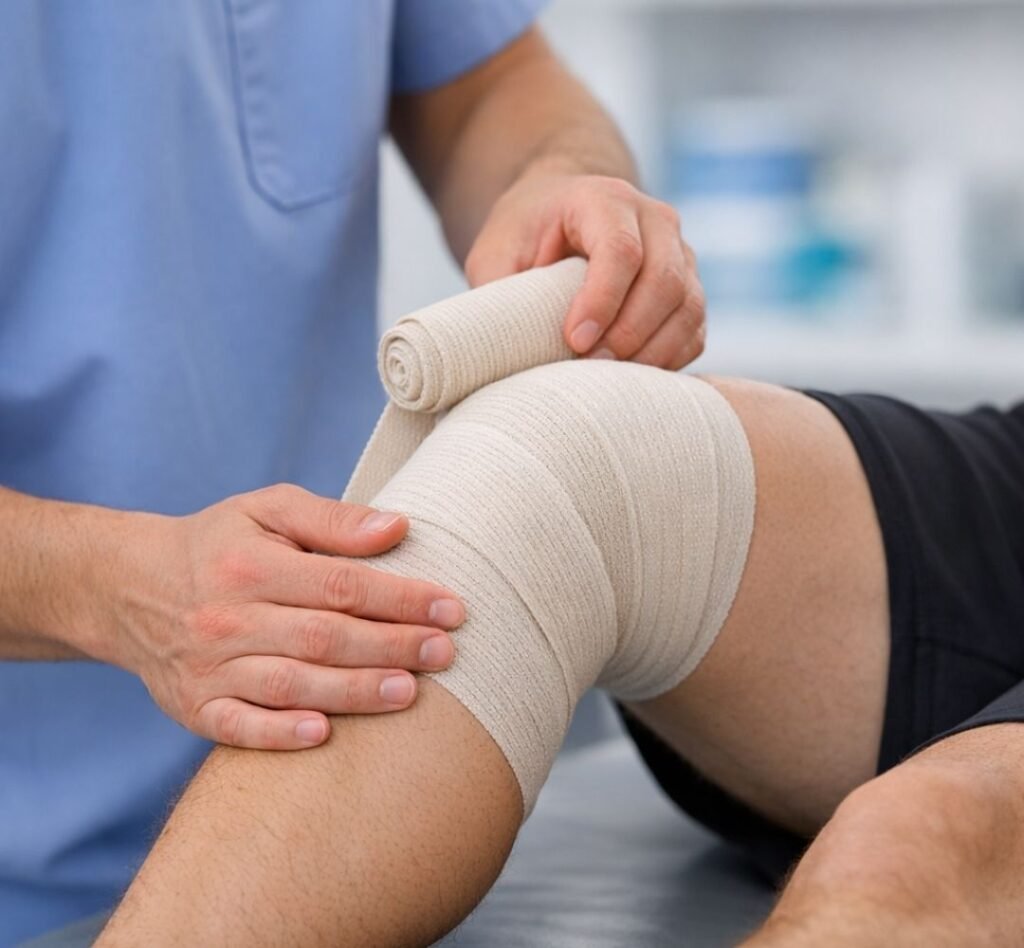
One of the most effective ways to use compression therapy is alongside structured physiotherapy. At Tonic Physio, clinicians integrate compression with hands-on care, therapeutic exercise, and targeted rehabilitation programs. This multifaceted approach ensures that compression supports rather than replaces movement and functional recovery. For example, patients undergoing orthopedic physiotherapy benefit when compression aids circulation around joints such as knees or ankles, enabling more effective exercise participation.
Similarly, those managing chronic joint pain or postural limitations may combine compression garments with active therapy strategies to enhance tissue health and reduce fluid retention.
Compression Therapy and Custom Orthotics
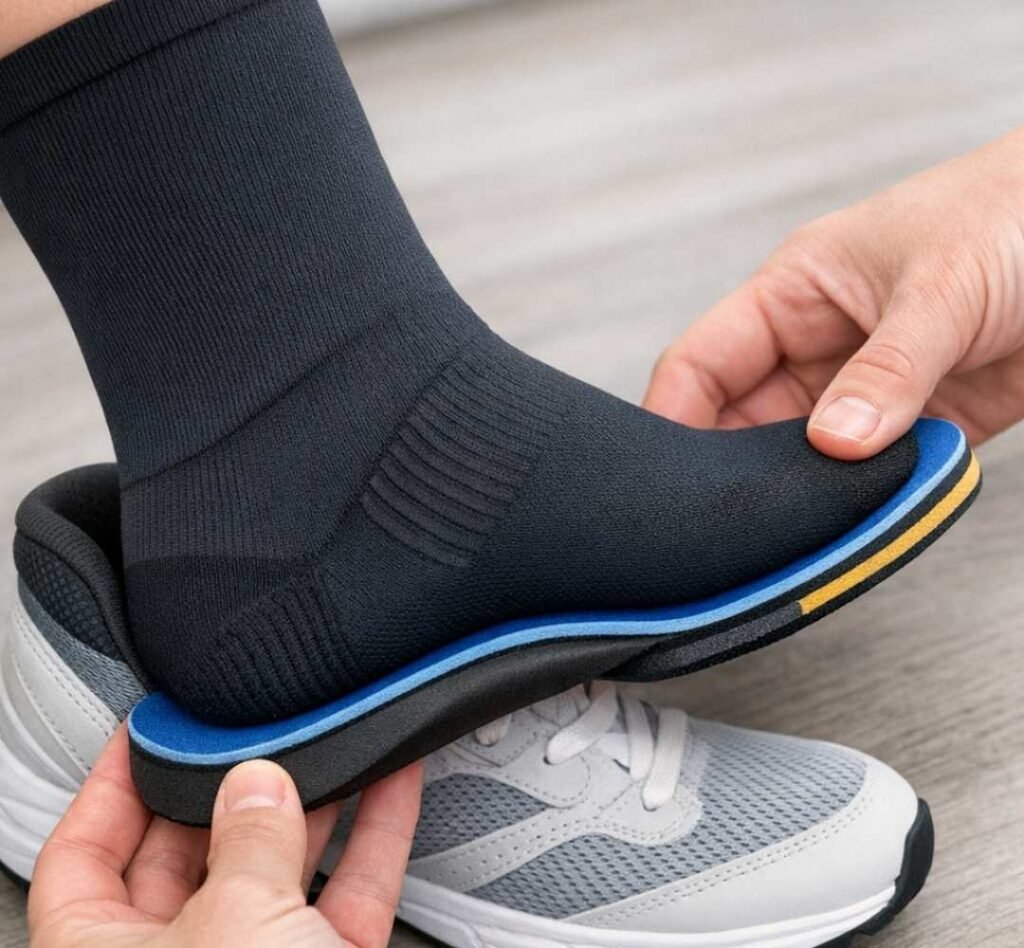
Custom orthotics help redistribute pressure across the feet and improve alignment, which indirectly supports lymphatic and vascular flow in the lower extremities. When compression therapy is paired with custom orthotics, patients often experience enhanced support for biomechanical issues that contribute to swelling or discomfort during activity.
Orthotics take pressure off joints and tendons that can contribute to inflammation, while compression manages fluid buildup more directly. The combination provides both mechanical correction and circulatory support — a powerful duo in rehabilitation plans.
Compression Therapy and Bracing Solutions
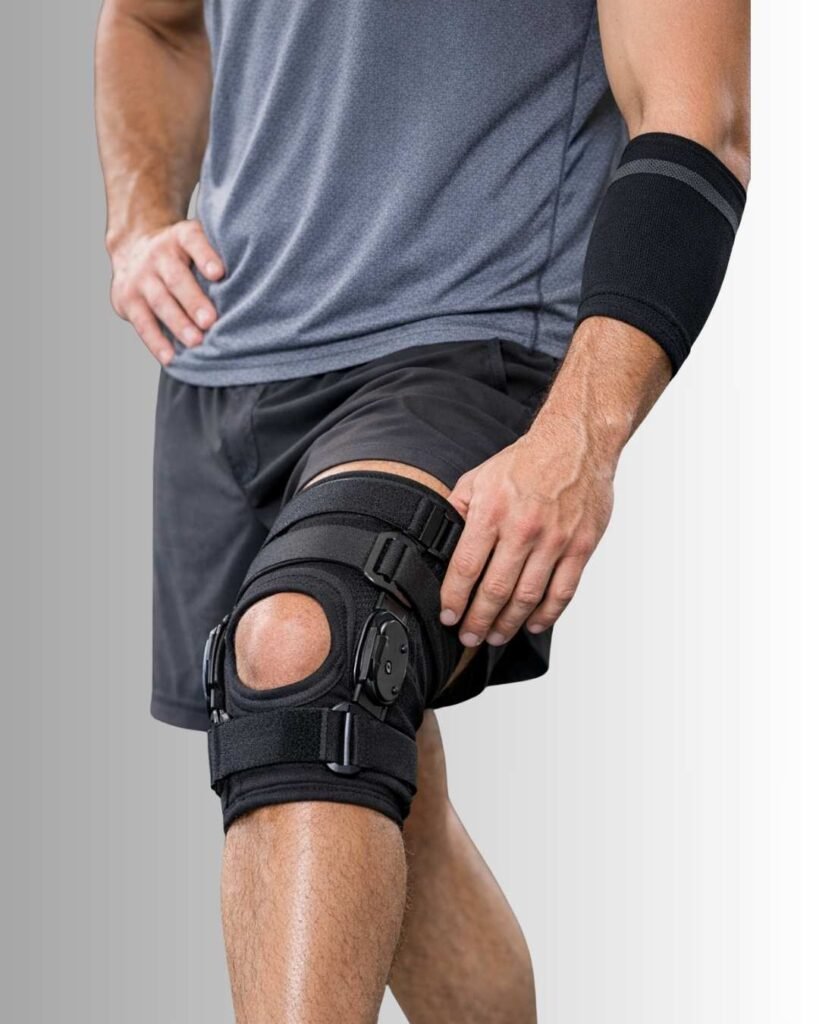
Injuries that involve instability, like ACL sprains or significant ligament strains, often benefit from bracing to secure joints and protect healing tissues. When integrated with compression, such braces help maintain joint alignment while compression boosts vascular function around the site.
Tonic Physio’s custom and OTC bracing ensures both structural support and comfort. Combining this with compression clothing improves fluid movement and minimizes swelling that could otherwise limit the brace’s effectiveness.
Compression Therapy & Performance with Shockwave Therapy
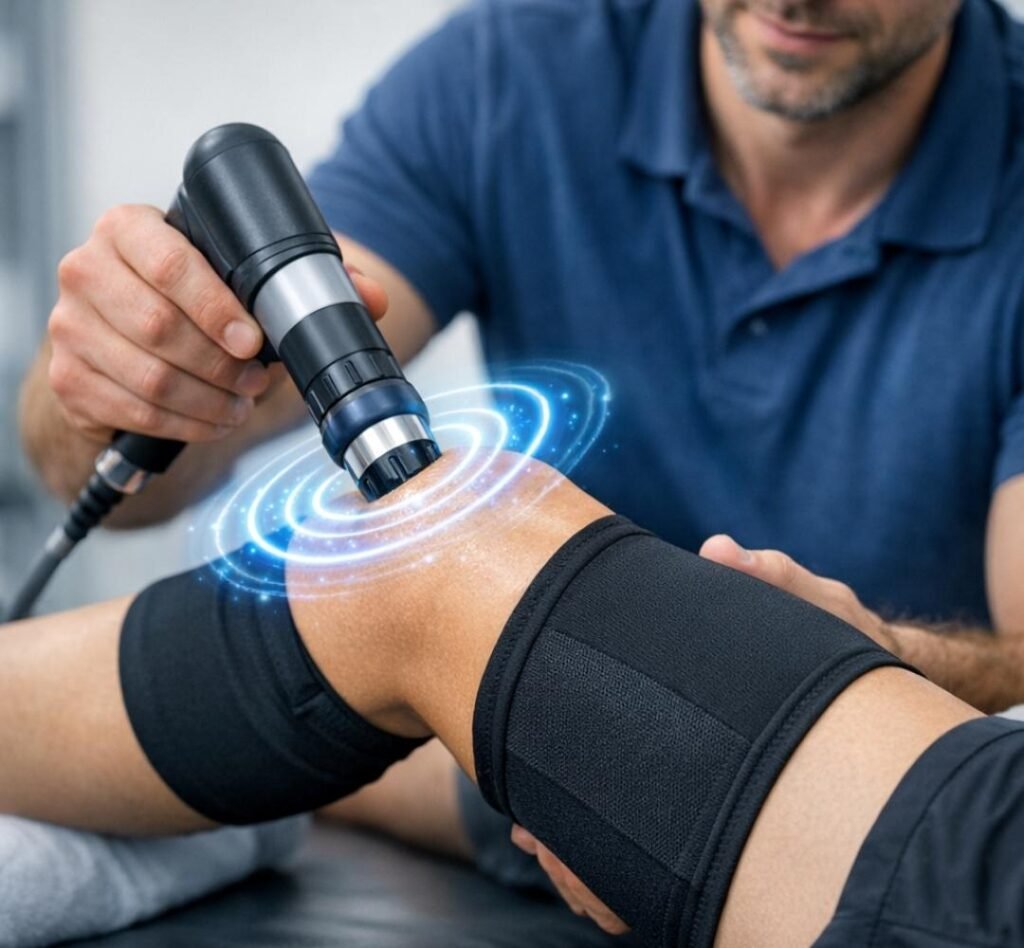
Shockwave therapy is an advanced modality used to break down scar tissue, stimulate circulation, and expedite healing in tendons and muscles. When paired with compression therapy, patients frequently report reduced post-treatment inflammation and improved comfort during recovery.
By integrating compression garments into a comprehensive rehab plan, including shockwave therapy sessions, clinics like Tonic Physio help patients manage pain and enhance healing pathways more effectively.
Choosing the Right Compression Garments
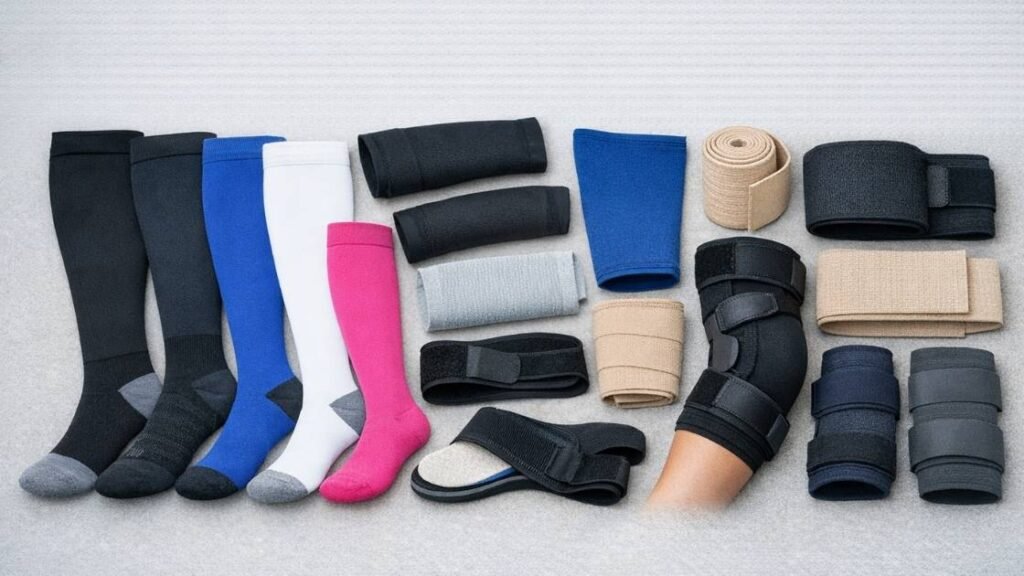
Selecting the right compression garment depends on your goals, anatomy, and the intensity needed. Medical-grade compression socks and sleeves are graded to match different pressure levels, typically measured in millimeters of mercury (mmHg). Higher levels are more appropriate for medical circulatory conditions, while lower levels are suited for general recovery or mild swelling.
Professional assessment ensures proper measuring and selection so that compression not only feels comfortable but also delivers the desired therapeutic benefit.
Safety and Considerations
Compression therapy is generally safe when tailored to the individual. However, people with certain conditions, including peripheral arterial disease, severe neuropathy, or uncontrolled diabetes, should seek medical guidance before using compression garments. A qualified clinician at Tonic Physio can evaluate your medical history and recommend appropriate pressure levels and product types to maximize benefit while minimizing risk.
Integrating Compression Therapy into Your Wellness Plan
Compression therapy is far more than a recovery trend; it’s a science-based approach that improves circulation, reduces swelling, and supports rehabilitation across a range of conditions. When used alongside structured physiotherapy, orthotics, bracing, and advanced modalities like shockwave therapy, compression becomes part of a holistic plan that helps patients recover faster, with less pain and greater long-term function.
At Tonic Physio in Milton, expert therapists guide patients through customized care plans that may include compression garments, hands-on therapies, exercise strategies, and other clinically effective treatments that help you move better, feel stronger, and live without unnecessary pain.