A rotator cuff injury can make simple daily activities—like reaching overhead, getting dressed, or lifting objects—painful and difficult. The shoulder is the most mobile joint in the body, but that mobility also makes it more vulnerable to strain and injury.
Whether caused by repetitive movement, sports activity, or gradual wear and tear, rotator cuff injuries are one of the leading causes of shoulder pain and stiffness. Without proper treatment, symptoms can worsen over time and impact your quality of life.
At Tonic Physio, treatment focuses on restoring strength, mobility, and long-term function through personalized rehabilitation programs.
What Is the Rotator Cuff?
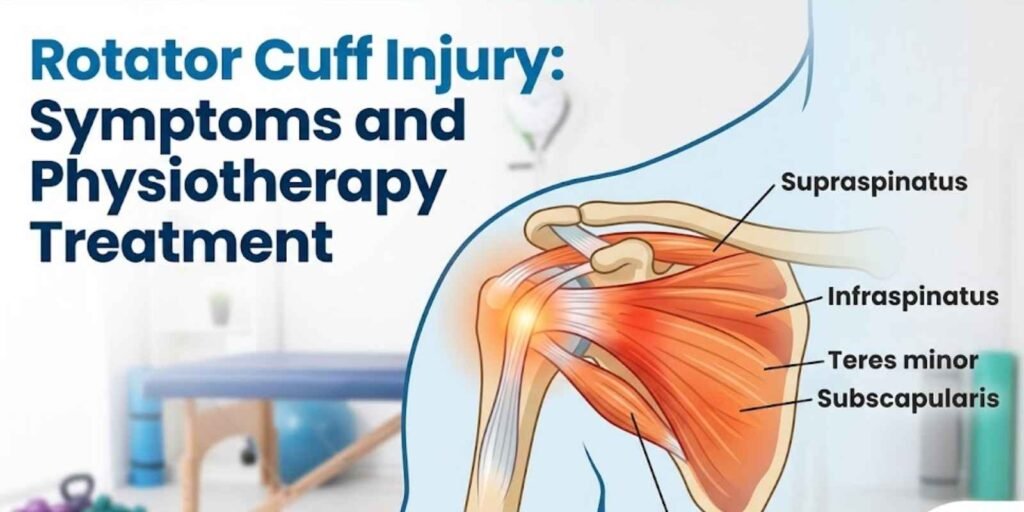
The rotator cuff is a group of four muscles and tendons that stabilize the shoulder joint and allow smooth arm movement:
- Supraspinatus
- Infraspinatus
- Teres minor
- Subscapularis
These structures work together to keep the upper arm bone securely positioned in the shoulder socket while allowing you to lift and rotate your arm. When one of these tendons becomes irritated or torn, it can disrupt normal shoulder function.
Common Symptoms of a Rotator Cuff Injury
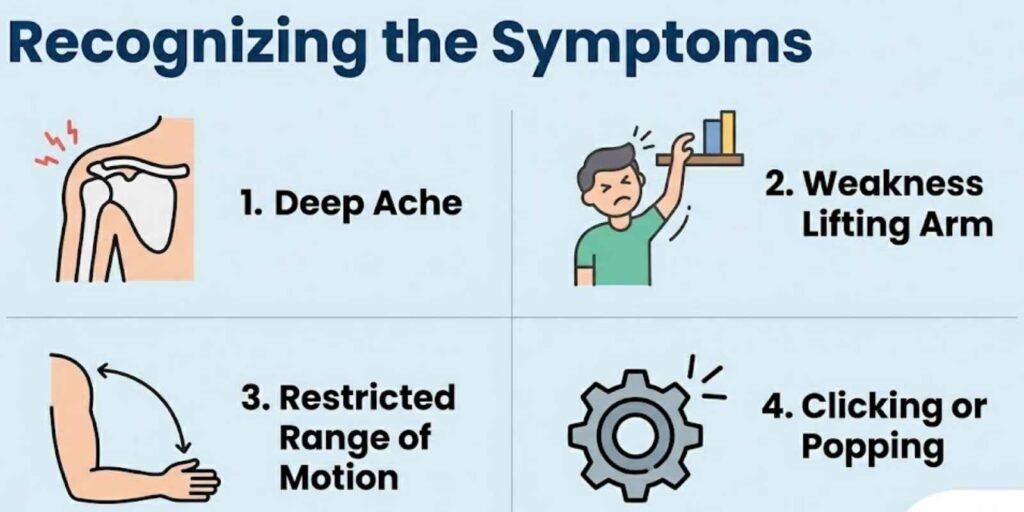
Rotator cuff injuries may develop suddenly or gradually. Common symptoms include:
- Persistent shoulder pain that may radiate down the arm
- Pain at night, especially when lying on the affected side
- Weakness when lifting or rotating the arm
- Reduced range of motion when reaching overhead or behind the back
- Clicking or popping sensations during movement
If symptoms continue, it may indicate underlying tissue damage that benefits from early physiotherapy intervention.
Types of Rotator Cuff Injuries
1. Rotator Cuff Tendonitis
This condition involves inflammation of the tendons due to repetitive overhead movements such as sports or manual work.
2. Shoulder Bursitis
Inflammation of the bursa (a cushioning sac in the shoulder) can cause pain and a pinching sensation during movement.
3. Rotator Cuff Tears
Tears may be partial or complete and often result from aging, overuse, or sudden injury.
What Causes Rotator Cuff Injuries?
Several factors contribute to rotator cuff injuries, including:
- Repetitive overhead activity
- Poor posture and shoulder positioning
- Muscle imbalances
- Age-related degeneration
- Trauma, such as falls or heavy lifting
Over time, these factors can lead to irritation and compression of the tendons, commonly known as shoulder impingement.
How Physiotherapy Helps Rotator Cuff Recovery
Physiotherapy plays a key role in recovering from rotator cuff injuries by restoring proper movement patterns and reducing stress on the injured tissues.
1. Pain Relief and Inflammation Control
Early treatment focuses on reducing pain and inflammation using hands-on therapy, guided exercises, and modalities. Many patients also benefit from registered massage therapy to reduce muscle tension and improve circulation.
2. Restoring Range of Motion
Gentle mobility exercises are introduced to prevent stiffness and maintain joint flexibility. This helps reduce the risk of complications like frozen shoulder.
3. Strengthening the Shoulder
Targeted strengthening focuses on the rotator cuff and surrounding muscles, especially the shoulder blade stabilizers. This improves joint support and reduces strain during movement.
4. Functional Rehabilitation
As recovery progresses, treatment includes functional exercises tailored to your daily activities, work demands, or sports. This ensures safe return to normal movement.
For more insight into treatment approaches, visit what physiotherapy treats.
Additional Treatments That Support Recovery
Depending on your condition, your physiotherapist may recommend complementary treatments such as:
- Shockwave therapy to stimulate healing in tendons
- Bracing solutions for added joint support
- Custom orthotics to improve overall movement mechanics
These therapies can enhance recovery and improve long-term outcomes.
Preventing Future Rotator Cuff Injuries
Preventing re-injury is an important part of long-term shoulder health.
- Maintain good posture to reduce strain on the shoulders
- Strengthen supporting muscles in the upper back
- Warm up properly before the activity
- Take breaks during repetitive tasks
- Stay consistent with exercises recommended by your physiotherapist
When Should You Seek Treatment?
You should consider seeing a physiotherapist if you experience:
- Pain lasting longer than one to two weeks
- Difficulty lifting your arm
- Weakness or instability
- Night pain that affects sleep
Early treatment can prevent minor issues from becoming more serious injuries.
Conclusion
A rotator cuff injury does not always require surgery, but it does require proper care. With the right physiotherapy approach, most people can regain strength, mobility, and function.
If you are dealing with shoulder pain, the team at Tonic Physio can help you recover safely and return to your normal activities with confidence.