Exercises for lower back pain can be performed safely at home to reduce discomfort, improve flexibility, and strengthen supporting muscles. Lower back pain affects many people due to prolonged sitting, poor posture, or muscle strain. Doing targeted exercises regularly can make a significant difference in your recovery.
Lower back pain is one of the most common musculoskeletal issues affecting people of all ages. Whether it’s caused by prolonged sitting, poor posture, muscle strain, or an underlying condition, it can significantly impact your daily life. The good news is that many cases of lower back pain can be managed effectively at home with the right physiotherapy exercises.
Incorporating simple, targeted movements into your routine can help reduce pain, improve mobility, and strengthen the muscles that support your spine. However, it’s important to perform these exercises correctly and consistently to see real results.
Why Exercise Matters for Lower Back Pain
Physiotherapy exercises are designed to address the root causes of lower back pain rather than just masking symptoms. Weak core muscles, tight hamstrings, and poor spinal alignment are often key contributors.
By practicing the right exercises, you can:
- Strengthen core and back muscles
- Improve flexibility and posture
- Reduce stiffness and inflammation
- Prevent future injuries
A balanced routine that includes stretching, strengthening, and mobility work is essential for long-term relief.
1. Pelvic Tilts
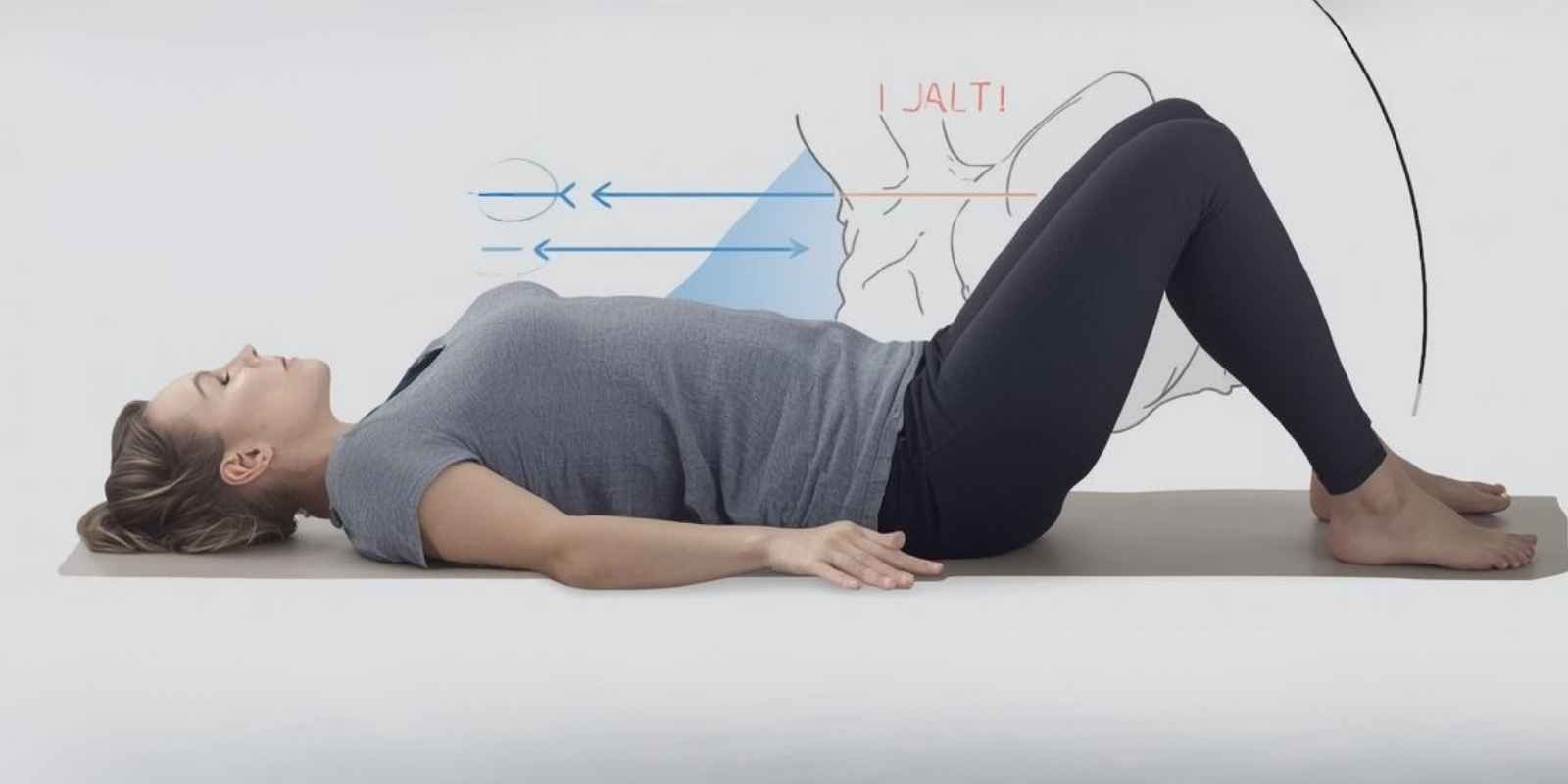
Pelvic tilts are one of the most effective beginner exercises for relieving lower back tension. This gentle movement helps activate the core and improve spinal alignment.
How to do it:
- Lie on your back with knees bent and feet flat on the floor
- Tighten your abdominal muscles
- Flatten your lower back against the floor
- Hold for 5–10 seconds and release
Repeat this exercise 10–15 times.
Pelvic tilts are especially beneficial for individuals experiencing lower back discomfort due to weak pelvic muscles. In some cases, advanced therapies can further enhance stability and support.
2. Knee-to-Chest Stretch
This stretch helps relieve tension in the lower back and improves flexibility in the spine.
How to do it:
- Lie on your back with both knees bent
- Bring one knee toward your chest
- Hold for 15–20 seconds
- Switch legs and repeat
For a deeper stretch, bring both knees to your chest at the same time.
This exercise is ideal for reducing stiffness, especially after long periods of sitting.
3. Cat-Cow Stretch
The cat-cow stretch is a gentle, flowing movement that improves spinal mobility and relieves tension.
How to do it:
- Start on your hands and knees
- Arch your back upward (cat position)
- Then slowly lower your belly and lift your head (cow position)
- Repeat for 10–15 repetitions
This exercise promotes better posture and flexibility, making it a great addition to your daily routine.
4. Bird Dog Exercise
The bird dog exercise strengthens the core, lower back, and stabilizing muscles.
How to do it:
- Start on hands and knees
- Extend one arm forward and the opposite leg backward
- Keep your spine neutral and avoid arching
- Hold for 5–10 seconds
- Switch sides
Repeat 8–10 times on each side.
This exercise is excellent for improving balance and coordination while protecting your lower back.
5. Glute Bridges
Weak glutes are often a hidden cause of lower back pain. Glute bridges help strengthen these muscles and reduce strain on the spine.
How to do it:
- Lie on your back with knees bent
- Press your feet into the floor and lift your hips
- Squeeze your glutes at the top
- Hold for a few seconds and slowly lower
Repeat 10–15 times.
Stronger glutes provide better support for your lower back, reducing the risk of recurring pain.
6. Child’s Pose Stretch
This yoga-inspired stretch gently elongates the lower back and relieves tension.
How to do it:
- Kneel on the floor and sit back on your heels
- Stretch your arms forward and lower your chest
- Hold for 20–30 seconds
This is a great recovery stretch to include at the end of your exercise routine.
7. Hamstring Stretch
Tight hamstrings can pull on your pelvis and contribute to lower back pain.
How to do it:
- Lie on your back and lift one leg
- Hold behind your thigh or calf
- Keep your leg straight and hold for 20 seconds
- Switch sides
Improving hamstring flexibility can significantly reduce stress on your lower back.
When to Combine Exercise with Therapy

While home exercises are highly effective, combining them with professional treatments can accelerate recovery. For example, adding hands-on care can help reduce muscle tension, improve circulation, and enhance overall healing.
A physiotherapist can also assess your posture, movement patterns, and muscle imbalances to ensure you’re doing the right exercises for your specific condition.
Tips for Safe and Effective Exercise
To get the most benefit from these exercises, keep the following tips in mind:
- Start slowly and increase intensity gradually
- Avoid movements that cause sharp or severe pain
- Maintain proper form during each exercise
- Stay consistent with your routine
- Warm up before starting and stretch afterward
Consistency is key. Even 15–20 minutes a day can make a significant difference in your recovery.
When to Seek Professional Help
Although many cases of lower back pain improve with exercise, some situations require professional care. You should consult a physiotherapist if:
- Pain lasts more than a few weeks
- You experience numbness or tingling
- Pain radiates down your legs
- Your mobility is significantly limited
Professional care ensures that your condition is properly diagnosed and treated.
If you’re unsure where to start, exploring a range of treatment options through Tonic Physio can help you find the right approach tailored to your needs.
Final Thoughts
Lower back pain doesn’t have to control your life. With the right physiotherapy exercises, you can take an active role in your recovery from the comfort of your home. These simple yet effective movements are designed to strengthen your body, improve flexibility, and reduce pain over time.
However, every individual is different. What works for one person may not be ideal for another. That’s why combining home exercises with expert guidance can provide the best results.
By staying consistent, listening to your body, and seeking help when needed, you can achieve long-term relief and get back to doing the activities you enjoy pain-free.