What Kinds of Injuries Does Physiotherapy Treat depends on the type, cause, and severity of the condition, but in most cases, physiotherapy helps restore movement, reduce pain, and speed up recovery. It’s commonly used to treat sports injuries, joint pain, muscle strains, nerve damage, and post-surgical rehabilitation. By combining manual therapy, targeted exercises, and advanced techniques, physiotherapists help patients regain strength, improve flexibility, and prevent future injuries. Whether the issue stems from an accident, repetitive motion, or a chronic condition, physiotherapy offers a safe and effective path to long-term recovery and better physical health.
Physiotherapy plays a vital role in helping people recover from pain, restore movement, and regain strength after injuries or medical conditions. Whether it’s a sports injury, workplace accident, or chronic pain, physiotherapy uses personalized treatments to improve your body’s natural healing process. At Tonic Physio, our experienced physiotherapists assess your symptoms, identify the root cause, and create tailored recovery plans to help you move without pain and return to your daily activities with confidence.
Common Injuries Physiotherapists Help Treat
1. Orthopedic Injuries
Orthopedic physiotherapy focuses on the muscles, bones, joints, ligaments, and tendons that keep your body moving. Injuries in this category are often caused by accidents, sports, or repetitive strain. At Tonic Physio’s Orthopedic Physiotherapy, patients receive hands-on care, stretching, and strengthening exercises to speed up healing and prevent re-injury.
Common orthopedic injuries include:
- Sprains and strains
- Tendonitis and bursitis
- Post-surgical rehabilitation (after knee, hip, or shoulder surgery)
- Fracture recovery and mobility restoration
Physiotherapy helps rebuild flexibility and strength while improving blood circulation to the injured area. It also reduces scar tissue formation, which can limit the range of motion if left untreated.
2. Neurological Conditions and Injuries
Neurological injuries affect the brain, spinal cord, or nerves, often leading to loss of coordination, balance, or movement. Neurological physiotherapy aims to retrain the body to regain mobility and improve independence. Through Neurological Physiotherapy, patients with conditions like stroke, multiple sclerosis, or spinal cord injury benefit from specialized exercises designed to restore nerve control and motor function.
This type of therapy can help with:
- Post-stroke rehabilitation
- Balance and coordination problems
- Parkinson’s disease or neuropathies
- Spinal cord injuries
Therapists use targeted movement patterns, balance retraining, and muscle re-education techniques to help patients improve their quality of life and regain confidence in movement.
3. Back and Neck Injuries
Back and neck pain are among the most common reasons people seek physiotherapy treatment. They can arise from poor posture, lifting injuries, degenerative conditions, or trauma. Through Back and Neck Pain Therapy, physiotherapists use manual therapy, exercises, and ergonomic advice to relieve tension, improve spinal alignment, and enhance flexibility.
Specific injuries treated include:
- Herniated discs, treated through guided movement and strengthening at Herniated Disc Treatment
- Sciatica, a radiating leg pain caused by nerve compression (Sciatica Treatment)
- Cervical spondylosis, a neck arthritis condition that can cause stiffness and dizziness (Cervical Spondylosis Therapy)
Physiotherapy restores spinal health by improving posture, stabilizing the core, and strengthening supportive muscles around the spine.

4. Joint Pain and Stiffness
Joint injuries are often the result of overuse, trauma, or age-related degeneration. They cause stiffness, swelling, and discomfort that limit daily movement. Joint Pain and Stiffness Therapy at Tonic Physio focuses on restoring range of motion, reducing inflammation, and improving joint lubrication through targeted exercises and manual therapy.
Patients suffering from chronic joint pain benefit from treatments that include:
- Range of motion therapy
- Joint mobilization techniques
- Strength training for the surrounding muscles
These treatments improve flexibility and reduce the load on affected joints, allowing for smoother, pain-free movement.
5. Arthritis and Degenerative Conditions
Arthritis affects millions of people and can cause severe pain and stiffness in joints. Physiotherapy plays an important role in slowing down the progression of arthritis and improving function.
Osteoarthritis
A degenerative joint condition that causes the breakdown of cartilage, leading to pain and swelling. The Osteoarthritis Treatment Program focuses on pain management, strengthening exercises, and gentle mobility techniques to improve joint health and prevent stiffness.
Rheumatoid Arthritis
An autoimmune condition where the body’s immune system attacks the joints, causing inflammation and deformity. The Rheumatoid Arthritis Therapy includes gentle exercises and pain relief methods that reduce swelling, improve circulation, and enhance joint flexibility.
By maintaining muscle strength and improving posture, physiotherapy can help patients stay active, reduce reliance on pain medication, and manage daily tasks with greater ease.
6. Shoulder and Upper Limb Injuries
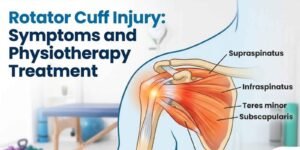
The shoulder joint is highly mobile, which makes it more prone to injuries like rotator cuff tears, tendonitis, and frozen shoulder. Frozen shoulder, also known as adhesive capsulitis, causes severe stiffness and pain that limit movement. In Frozen Shoulder Treatment, physiotherapists use stretching, mobilization, and strengthening exercises to gradually restore flexibility.
Other common upper limb injuries treated include:
- Tennis elbow (lateral epicondylitis)
- Golfer’s elbow
- Repetitive strain injuries
- Post-fracture stiffness and weakness
Early physiotherapy intervention prevents long-term damage and helps patients regain full shoulder and arm movement.

7. Chronic Pain and Muscle Tension
Persistent pain and muscle tension can significantly impact your daily life. Acupuncture therapy is one effective way to reduce pain and promote relaxation. In Acupuncture Therapy, fine needles are used to stimulate specific points on the body to relieve pain, improve circulation, and restore energy balance. It’s often combined with manual therapy and exercises for enhanced healing.
This approach is particularly effective for:
- Chronic back or neck pain
- Tension headaches
- Muscle spasms
- Fibromyalgia and stress-related conditions
Physiotherapists often recommend combining acupuncture with exercise therapy to achieve long-term pain relief.
8. Sports and Overuse Injuries
Athletes and active individuals are prone to injuries due to repetitive motion or sudden impact. Sports physiotherapy addresses these issues with customized treatment programs that improve strength, flexibility, and endurance. Common sports injuries include:
- Ligament tears (ACL, MCL)
- Hamstring strains
- Ankle sprains
- Rotator cuff injuries
Physiotherapy helps athletes recover more quickly and return safely to their sport by correcting movement imbalances and enhancing joint stability.
9. Preventive and Postural Care
Physiotherapy isn’t just about recovery; it’s also about prevention. Postural correction programs help prevent neck pain, back pain, and repetitive strain from desk work or daily activities. Regular physiotherapy checkups help maintain muscle balance, enhance flexibility, and keep the body functioning efficiently.