

What Is Pediatric Physiotherapy?
Watching your child struggle with movement or developmental milestones can worry any parent. Your child may be late in sitting, crawling or walking. Or they may have trouble with coordination and balance. Early intervention can make a big difference.
Pediatric physiotherapy helps children reach their full physical potential through play-based treatment that suits their age. At Tonic Physio in Milton, we know that every child develops at their own pace. But significant delays call for a professional assessment. Our kids physiotherapy services in Milton address many conditions that affect movement, strength and motor skills in infants, children and adolescents.
Pediatric physiotherapy focuses on assessing and treating movement disorders in children from birth through adolescence. In early development, children reach set motor milestones. These include head control, rolling, sitting, crawling, standing and walking. When these milestones are late, or movement patterns look abnormal, physiotherapy can help.
Common conditions treated include developmental delays, cerebral palsy, torticollis, plagiocephaly, genetic conditions, and injuries that affect movement, which may also need orthopedic physiotherapy in Milton. Our therapists use specialized assessment tools to find the areas of concern. They then create individual treatment plans that support healthy development and function.
- Developmental Delays
- Cerebral Palsy
- Torticollis and Plagiocephaly
- Coordination and Balance Issues
- Genetic and Neuromuscular Conditions
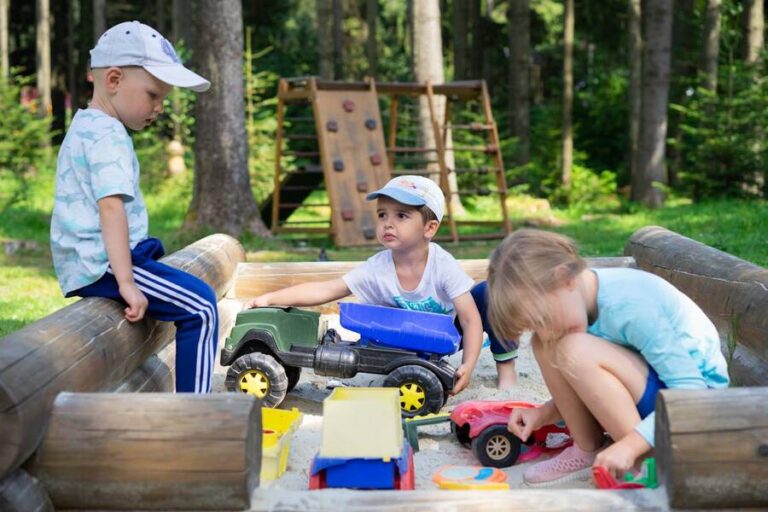
Every child deserves the chance to move, play and explore their world with confidence. Our Milton pediatric team creates a fun, supportive space. Children can thrive here while they work on important developmental skills.
How Does Play-Based Treatment Work for Children?
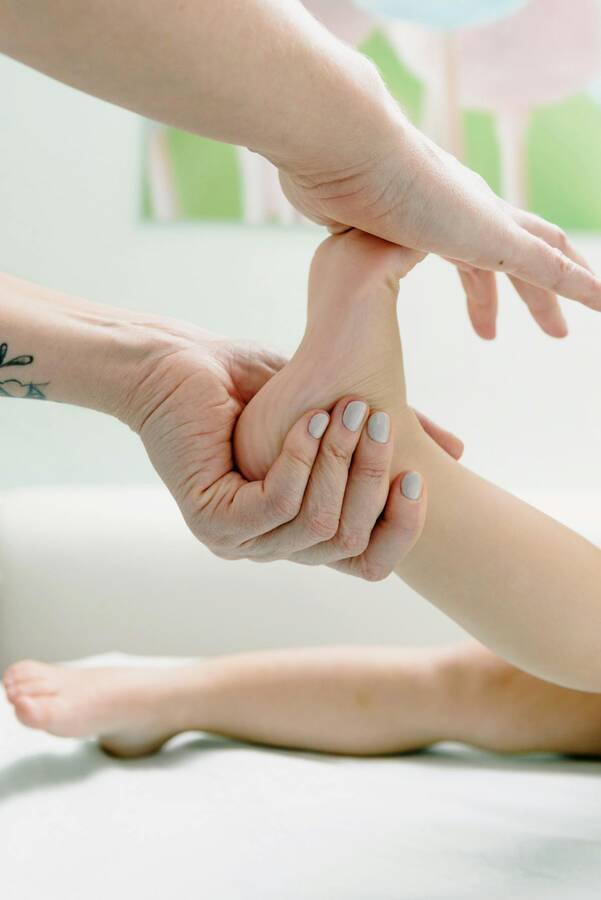
Children learn best through play. Our pediatric physiotherapy sessions use games, toys and activities. They make therapy enjoyable while targeting specific developmental goals. This keeps children engaged and motivated throughout their treatment.
- 1Improved Motor Skills
- 2Enhanced Coordination
- 3Increased Strength
- 4Better Balance
- 5Greater Independence
Family involvement is essential in pediatric physiotherapy. We teach parents and caregivers specific techniques and activities to practice at home between sessions. This steady practice can speed progress. It also helps children use new skills in daily activities.
Our family-centered approach makes sure therapy goals match your child’s unique needs and your family’s priorities. We celebrate every milestone, from a baby’s first independent steps to a teenager’s return to sports. A positive, encouraging setting helps children build confidence in their physical abilities. It also helps them gain the skills they need to take part fully in childhood activities.
What Happens at Your Child's First Visit?
Your child’s first assessment begins with a conversation about your concerns, medical history and developmental milestones. We watch your child’s movement patterns, posture, strength and coordination through play and activities that suit their age, much like a functional movement assessment.
For infants, we assess head control, rolling and early motor skills. For older children, we look at walking, running, jumping and sport-specific movements. After the assessment, we share our findings and make a treatment plan with clear, achievable goals. Sessions suit your child’s age, attention span and interests. This helps them stay engaged and motivated throughout therapy.
Give Your Child the Best Start Possible
Early intervention is key to supporting your child’s developmental potential. The younger a child is when treatment begins, the more adaptable their developing nervous system is. Do not wait and hope your child will outgrow movement difficulties.
Your infant may show early signs of delay. Your school-age child may struggle with coordination. In both cases, a professional assessment can find issues before they become significant barriers. Our Milton pediatric physiotherapy team is passionate about helping children be at their physical best. We work with parents, physicians and other healthcare providers so your child gets well-rounded care across our physiotherapy treatments in Milton. We want your child to move with confidence and explore their world without limitations.
Schedule Your Child's Assessment
Ready to support your child’s development? Booking a pediatric physiotherapy assessment at our Milton clinic is easy. We know parents have busy schedules, so we offer flexible appointment times. During your visit, you will get an expert evaluation, clear explanations and a treatment plan made for your child’s needs. Contact us today to start supporting your child’s development.
Your Child’s Physiotherapy, Step by Step
Common reasons families come in, by age
- Babies: a head that always turns one way or a flat spot (torticollis and plagiocephaly), stiffness or floppiness, or delays in rolling, sitting or crawling.
- Toddlers and preschoolers: late walking, toe walking, frequent falls, or trouble with stairs, jumping or keeping up with other kids.
- School-age children: clumsiness or coordination difficulties, low stamina, flat feet or knee pain, and posture concerns. We also support children with cerebral palsy or genetic and neuromuscular conditions.
- Teens: sports injuries, growth-related pain such as heel or knee pain during growth spurts, and rehab after a fracture or surgery. Sport-specific care may also involve our sports physiotherapy program.
Age range we see
We see children from birth through the teen years.
Preparing for the first visit
- Dress your child in comfortable clothes they can move in. Shorts and a T-shirt work well. For babies, bring a spare diaper and a favourite toy.
- Book a time when your child is usually rested and fed. We have after-school appointments, and our online booking shows open times.
- Bring any reports from your family doctor, pediatrician or specialist, and note when your child reached milestones like sitting and walking.
- Short phone videos help, for example of your child walking, falling or doing the thing that worries you, especially if they behave differently in a new place.
- Write down your top one or two questions so they’re answered before you leave.
How parents take part
For babies and younger children, a parent or caregiver stays for every session. Older teens can come to appointments on their own if they and their family prefer. For babies and young children, you may help hold or position your child while the physiotherapist works.
We’ll show you a small number of activities to do at home. They fit into daily routines, like tummy time on the floor, games on the stairs, or a short balance challenge while brushing teeth. They’re meant to fit into your day, not add homework.
At each visit we check how the home activities are going and change them as your child progresses. With your permission, we can share updates with your child’s doctor, school or other therapists.
Who your child will see
Pediatric care at Tonic Physio is led by Jacqueline Ma and Naiya Patel, physiotherapists who focus on pediatrics. Jacqueline has worked with children in a range of settings. You can book either of them on Jane.
