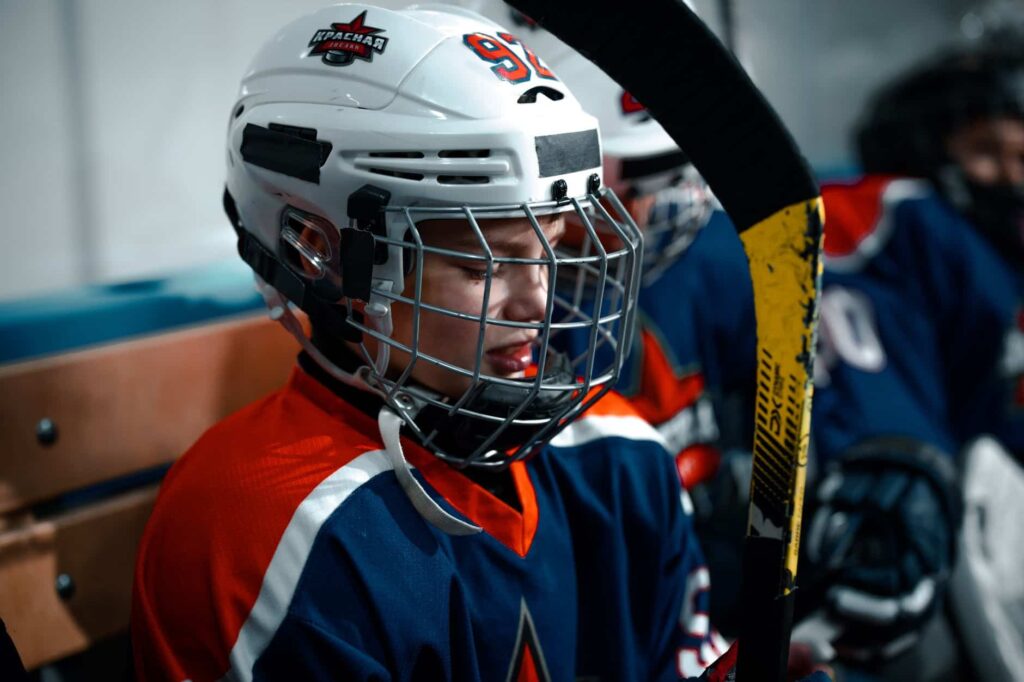
Your child took a hit at hockey practice, and the checklist you found online covers everything except the question that actually runs your week: when can they go back to school? The return-to-play stages are famous. The return-to-learn protocol that must come first is the step everyone skips, and skipping it is why so many kids crash three days into their first week back.
If you would like an assessment, read about neurological physiotherapy in Milton.
Key Takeaway: The brain heals cognitively before it heals athletically, which is why return to learn comes before return to play in every major concussion protocol. A staged return to school, with symptoms as the throttle, prevents the symptom spirals that set recovery back weeks. Most students complete the protocol in 1 to 4 weeks, and a structured concussion management program keeps the stages honest.
To learn more, read about what neurological physiotherapy can help with.
Why school is harder on a concussed brain than sport
A concussion is a metabolic event: the brain’s fuel delivery and waste clearance fall out of sync while demand stays high. Concentrating in a classroom is cognitive load, and load is exactly what the injured brain cannot budget. Screens, fluorescent halls, cafeteria noise, and six hours of sustained attention are the heaviest cognitive workout a teenager does all week.
Sport is physical, and physical rest is easy to prescribe. School is cognitive, and nobody prescribes cognitive rest because nobody explains it. The result is predictable: the student returns to full school days while still symptomatic, symptoms spike, sleep falls apart, and a two-week recovery becomes an eight-week saga.
What cognitive load looks like from the inside
- Reading the same paragraph three times without it landing
- Headache building steadily through a class period, any class period
- Irritability that arrives by mid-morning, disproportionate to anything
- Needing a nap after school that then destroys nighttime sleep
- Symptoms that were fading at home roaring back within an hour of school pickup
Those patterns are not attitude or avoidance. They are the budget speaking: the task cost more than the brain had left.
The return-to-learn stages
Major sport medicine bodies, including the international consensus statements used across Ontario, describe the same staged progression. The student moves up one stage at a time, stays at each stage until symptoms tolerate it, and drops back a stage when they do not. The protocol is a ramp, not a schedule.
| Stage | What it looks like | Move up when |
|---|---|---|
| 1. Cognitive rest at home | No screens, no schoolwork, quiet activities that do not provoke symptoms | 24 to 48 hours maximum; longer rest slows recovery |
| 2. Light cognitive activity | Short bouts, 5 to 15 minutes: reading, homework in small doses, limited messaging | Symptoms stay tolerable during and after each bout |
| 3. School part time | Half days, or full days with breaks; no tests; homework capped | Half days tolerated without symptom spikes |
| 4. School full time | Full days, reduced workload, no tests, no gym yet | Full days with minimal symptoms |
| 5. Full school, catch-up begins | Full workload resumes; missed work re-planned; tests return gradually | Symptoms free for a defined period, typically a week |
Only after stage 5 does return to play begin, and its own staged exertion ladder sits on top. A student who cannot complete a full school day without symptoms is not ready for the gym, no matter how good they feel on the couch.
The 24-hour rule and the throttle metaphor
Each stage takes at least 24 hours. Symptoms are the throttle: a symptom increase of more than a couple of points, or symptoms that persist into the next morning, mean the step was too big. Step back one stage, hold longer, and try a smaller step. Progress that zigzags is normal; progress that ignores symptoms is how prolonged recoveries start.
What parents set up before day one back
The protocol needs allies: a school contact, a symptom plan, and a workload agreement. Setting those up before the first half day prevents the mid-week collapse.
The email that saves the month
Send one message to the school’s contact, usually the guidance office or the student success teacher, covering four things.
- The diagnosis and the expected staged timeline
- The accommodations for the current stage: breaks, screen limits, no tests, rest access
- Who to contact when symptoms spike at school
- The request to communicate the plan to each teacher, so the student is not renegotiating with six adults daily
Accommodations that matter at each stage
- Early stages: reduced screen time, printed rather than on-screen materials, a quiet space at lunch, permission to leave class before the halls fill
- Part-time stage: shortened assignments, notes provided rather than copied, no homework beyond tolerated bouts
- Full days: postponed tests, a capped homework load, and the standing rule that symptoms trump schedules
Ontario schools accommodate concussions routinely, and most will move quickly when the request arrives structured. The student should not be the messenger; the plan should be.
When symptoms persist: the persistent pathway
Most students clear return to learn inside four weeks. A minority, particularly those who pushed through early or who have prior concussions or migraine history, run longer. Persistence is not failure, and it has its own management.
What four-plus weeks of symptoms changes
- The plan shifts from pure rest-and-stage to active rehabilitation: exertion testing, targeted therapy for the specific systems still complaining, often the neck and the vestibular system
- Mental health support enters early, because the emotional weight of a stalled recovery is itself a symptom generator
- The school plan shifts from temporary accommodations to a formal support structure
The neck is the most underrated player in persistent symptoms. Upper cervical irritation produces headaches, dizziness, and concentration trouble that mimic the concussion itself, and it responds to targeted treatment. This is a core reason concussion management program care includes cervical and vestibular assessment from the first week, rather than waiting to see whether symptoms linger.
The exertion test that gates return to play
Before sport resumes, the student must tolerate exertion without symptom provocation, and that is tested, not assumed. A graded exertion test raises heart rate in stages: stationary bike or walk-jog intervals, with symptoms monitored during and for 24 hours after each level.
- Level 1: light stationary bike, symptom-free for 24 hours
- Level 2: moderate aerobic work, again with the 24-hour watch
- Level 3: higher intensity with some cognitive load, such as drills with decisions
- Level 4: non-contact practice, then full contact, then return
A symptom spike at any level steps the athlete back and repeats the level after symptoms settle. The test exists because the brain’s exercise tolerance is the last thing to return, and returning to play on an untested brain is how second-impact stories begin.
The systems that keep symptoms going, and what treats them
When recovery stalls, the assessment stops asking about the concussion generally and starts testing the specific systems that produce the specific symptoms. Four systems explain most persistent cases.
The neck: the headache factory
The whiplash mechanism that often accompanies the hit strains the upper cervical joints and muscles, and those structures generate headaches, dizziness, and visual disturbance that feel identical to concussion symptoms. Testing them takes minutes, and treating them with manual therapy plus specific exercise resolves a large share of persistent headaches. Every persistent-symptom assessment includes the neck; skipping it is how patients chase a brain that has already healed.
The vestibular system: the dizziness engine
Balance and visual-tracking disturbance after concussion usually traces to the inner ear system’s coordination with the eyes. Gaze stabilization exercises, habituation work, and balance progression retrain it, and the improvement is usually measurable within weeks. Students who cannot tolerate hallways and screens often have a vestibular piece hiding under the headache.
The eyes: the team nobody tested
Concussion commonly disturbs the eye muscles’ coordination: convergence, the ability of both eyes to team on near targets, suffers most. Reading fatigue, double vision with fatigue, and screen intolerance all point at it. Targeted vision exercises, coordinated with vestibular work, resolve the near-work complaints that make homework unbearable.
Exercise intolerance: the engine with a broken governor
The brain’s blood flow regulation recovers at its own pace, and the graded exertion test measures it. Structured, sub-symptom aerobic exercise is the best-evidenced treatment for persistent symptoms, and it is prescribed precisely: heart rate caps that step up weekly as tolerance returns. The old advice, rest until symptoms vanish, has been reversed by this research; controlled exertion is the treatment, not the risk.
Getting the protocol managed in Milton
Tonic Physio runs concussion management for students and athletes across Milton, Oakville, Burlington, and Halton Hills: baseline testing for teams, acute management after injury, the return-to-learn coordination with the school, graded exertion testing, and the neck, vestibular, and vision rehabilitation that persistent symptoms need.
If your child is on day 5 of symptoms and the school return is looming, one session maps their current stage, sets the school accommodations in motion, and gives the recovery a structure that does not depend on guesswork. Bring the symptom story from day one; leave with the week planned.
For coaches and clubs: the first 48 hours done right
Halton clubs, from Winterhawks hockey to Stags basketball to school teams, see the injury before any clinic does. The first 48 hours set the trajectory, and the coach’s protocol is simple.
- Remove from play immediately on suspicion; there is no same-day return in any current guideline, and the “watch them a bit longer” instinct is the rule’s most common violation
- No same-day return-to-play decision, ever, even if the athlete insists and seems fine
- Hand the family a one-page symptom monitor and the return-to-learn sequence, not just the return-to-play stages
- Follow up at 48 hours: the athlete who is still symptomatic at 48 hours needs professional assessment, not another wait-and-see week
Clubs that run baseline testing in the preseason make every subsequent concussion easier to manage: the baseline gives the recovery a personal reference point. Teams across Milton have adopted it for exactly that reason, and the cost is one preseason session.
The sleep piece that fixes everything else
Concussion scrambles sleep, and scrambled sleep amplifies every other symptom. The first two weeks deserve a sleep protocol as deliberate as the school one.
- Fixed wake time, even after a bad night; the wake anchor stabilizes the rhythm faster than the bedtime anchor
- Screens off 60 minutes before bed, which doubles as cognitive dosing
- No long daytime naps: 20 to 30 minutes maximum, before mid-afternoon
- Bedroom dark, cool, and boring; the concussion brain sleeps best with the fewest inputs
Sleep is also the first thing to recover and the signal that recovery is finishing. When the student sleeps through the night after a full school day without a symptom spike, the protocol is nearly done.
Answers to the questions parents ask most
How long should my child stay completely off screens?
About 24 to 48 hours, and no longer. Prolonged total rest slows recovery and darkens mood. Light cognitive activity, dosed to symptoms, starts almost immediately: a short conversation, a few pages of a book, a slow walk. The goal from day 2 onward is the largest dose of activity that does not spike symptoms.
Should they stay home from school entirely until symptoms are gone?
No. Waiting for zero symptoms before any school usually stretches total recovery, because social isolation and routine loss carry their own symptom load. The part-time stage exists precisely so school resumes in a dose the brain can pay for.
My child seems fine but says reading hurts. Are they avoiding school?
Take the report at face value and check it against behavior: symptoms that spike predictably with reading and fade with rest are a budget report, not an excuse. Kids rarely fake symptom patterns that consistent. If motivation is genuinely tangled up in it, the staged plan resolves that too, because it gives school a structure that does not depend on willpower.
Second concussion: does the protocol change?
Yes, in two ways. The thresholds get lower and the pace gets slower: a history of concussions widens the symptom response to load, so stages advance more conservatively. The baseline testing conversation also becomes relevant for athletes with multiple concussions, which their sport organization or clinic can coordinate.
Do we need a doctor’s note for every stage?
Ontario schools vary; most want medical documentation at the start and at return to play, and some want it at each stage transition. A concussion program provides those letters as a routine part of the protocol, which removes the running to the family doctor that parents otherwise do three times.