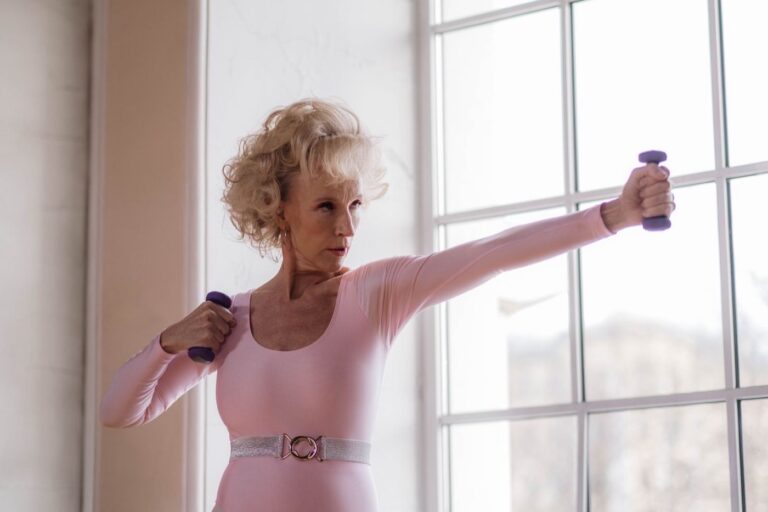
Women’s health physiotherapy treats problems linked to female anatomy and life stages. It covers pregnancy and postpartum recovery through menopause and beyond. Special care helps women through physical changes that affect pelvic health, core function and overall wellbeing.
At Tonic Physio, our women’s health team offers physiotherapy in Milton with kind, expert care. Many women feel uncomfortable discussing these problems. This guide explains how physiotherapy supports women’s health across the lifespan.
Understanding Women’s Health Physiotherapy
Women’s health physiotherapy is a special field. It covers pelvic floor function, pregnancy and postpartum recovery and breast health. It also covers muscle and joint changes linked to hormone shifts. This field needs extra training beyond general physiotherapy education.
Many women suffer in silence with problems they think are normal or can’t be treated. Urinary leakage, pelvic pain, painful intercourse and prolapse symptoms greatly affect quality of life. But they often go unreported. Some women feel embarrassed. Others don’t know that treatment exists.
Our women’s health physiotherapists create safe, comfortable spaces. Patients can talk about sensitive concerns openly. We believe every woman deserves care for her whole health picture. This goes beyond the symptoms she feels comfortable mentioning.
Pelvic Floor Dysfunction
The pelvic floor is made of muscles, ligaments and connective tissue. They support the pelvic organs, like the bladder, uterus and rectum. These muscles control urinary and bowel function. They support sexual health and help core stability. Dysfunction causes many different symptoms that affect daily life.
Types of Pelvic Floor Dysfunction
Our pelvic floor physiotherapy service covers assessment and treatment for these concerns. Pelvic floor conditions fall into several groups:
- Underactive pelvic floor: Weakness that causes stress incontinence, organ prolapse and less sexual sensation. Common after childbirth, surgery or with aging.
- Overactive pelvic floor: Too much tension that causes urinary urgency, frequency, constipation and painful intercourse. Often linked to stress, trauma or habit-based muscle guarding.
- Incoordination: Trouble controlling muscles, which leads to leakage despite enough strength. Common after nerve damage or childbirth injury.
- Pain disorders: Chronic pelvic pain, like vulvodynia, vestibulitis and dyspareunia. Often has many causes and needs a full assessment.
Assessment of Pelvic Floor Function
Women’s health physiotherapy assessment begins with a detailed history. We ask about symptoms, childbirth history, surgeries and lifestyle. This guides the physical exam and treatment plan.
An external exam checks posture, breathing patterns, abdominal wall function and pelvic alignment. These factors greatly affect how the pelvic floor works. An internal exam is done only when it is right and you consent. It checks muscle strength, tone, coordination and trigger points.
At Tonic Physio, we make sure you are fully comfortable during assessment. Patients get clear explanations and privacy. You have the right to decline any part of the exam. Our trauma-informed approach recognizes that a pelvic exam may trigger anxiety for some women.
Pregnancy and Postpartum Care
Pregnancy causes deep physical changes. They affect the muscles and joints, hormones and heart and blood vessels. Postpartum recovery needs rehab that treats these changes. It must also support the demands of newborn care.
Prenatal Physiotherapy
Physiotherapy during pregnancy prevents and treats common problems, like lower back pain, pelvic girdle pain, rib dysfunction and carpal tunnel syndrome. Treatment fits the changing body while preparing for labor and delivery.
Prenatal exercise plans keep you fit safely. They change as pregnancy progresses. Pelvic floor preparation, like perineal massage and relaxation methods, may reduce delivery complications.
Postpartum Recovery
After delivery, a woman’s body needs rehab that respects healing while restoring function. At Tonic Physio, we provide postpartum physiotherapy that treats:
- Diastasis recti, the separation of abdominal muscles common after pregnancy
- Pelvic floor recovery after vaginal delivery
- C-section scar mobilization and healing
- A return to exercise plan that rebuilds strength step by step
- Posture correction after months of changed body mechanics
Our B-Pulse pelvic floor rehabilitation program gives special postpartum recovery. It combines technology with manual therapy and exercise.
Urinary Incontinence
Urinary incontinence affects millions of women. Yet many assume it is unavoidable or can’t be treated. Physiotherapy gives effective, non-surgical treatment for most types of leakage.
Types of Incontinence
- Stress incontinence: Leakage with coughing, sneezing, laughing or exercise. It comes from weak pelvic floor support of the urethra.
- Urge incontinence: A sudden, strong urge followed by leakage you can’t control. Often involves overactive bladder muscles.
- Mixed incontinence: A mix of stress and urge symptoms.
- Functional incontinence: Physical limits that stop timely bathroom access.
Physiotherapy Treatment
Pelvic floor muscle training is the base of incontinence treatment. Our physiotherapists teach proper ways to activate the muscles. This makes sure patients use the right muscles and not others. Biofeedback gives visual proof of muscle activity, which speeds learning.
Bladder retraining treats urgency and frequency. It uses scheduled voiding, urge suppression methods and fluid management. Changes in habits add to physical training for full symptom relief.
Pelvic Organ Prolapse
Prolapse occurs when pelvic organs sink due to weak support. Symptoms include vaginal bulging, pressure and discomfort with sitting or standing. They also include urinary or bowel problems. It is common after childbirth. But prolapse affects women across the lifespan.
Physiotherapy care includes pelvic floor strengthening to improve support. It includes lifestyle changes that reduce strain on pelvic tissue. It has pessary fitting and care when appropriate. And it includes rehab before and after surgery for women having corrective procedures.
Our women’s health team works with gynecologists to give full prolapse care. Many women manage prolapse well without surgery. Dedicated physiotherapy helps them avoid or delay it.
Pelvic Pain Conditions
Chronic pelvic pain affects up to one in seven women. It creates physical and emotional burdens. Physiotherapy treats the muscle and joint factors that often go along with or drive pelvic pain problems.
Common Pelvic Pain Diagnoses
- Vulvodynia: Unexplained vulvar pain lasting months or longer. Often involves tight pelvic floor muscles and sensitization.
- Vestibulodynia: Pain at the vaginal opening, typically set off by touch or pressure. Often affects sexual function.
- Dyspareunia: Painful intercourse from many causes. These include muscle dysfunction, hormone factors or psychological factors.
- Endometriosis-related pain: Muscle and joint pain that goes with endometrial lesions, or exists apart from them. Pelvic floor dysfunction often exists too.
- Interstitial cystitis: Bladder pain syndrome that often involves pelvic floor muscle trigger points and sensitization.
Treatment Approaches
Pelvic pain treatment targets muscle dysfunction, nervous system sensitization and other factors. Manual therapy releases trigger points and tension in pelvic floor muscles. Relaxation training reduces habit-based guarding that keeps pain going. Desensitization methods slowly restore comfortable touch and movement.
We work with physicians, psychologists and sexual health specialists to make sure you get full care. Teams from many fields give better results for complex pelvic pain problems.
Pregnancy-Related Musculoskeletal Pain
Physical changes during pregnancy often cause pain. It can disrupt sleep, work and the joy of pregnancy. Physiotherapy gives safe, effective relief without medication concerns.
Common Pregnancy Complaints
- Lower back pain: From weight gain, changed posture and hormone-related ligament looseness
- Pelvic girdle pain: Affecting sacroiliac joints and pubic symphysis, often limiting walking and position changes
- Rib pain: From the growing uterus pressing against the rib cage
- Carpal tunnel syndrome: From fluid retention pressing on wrist nerves
- Leg cramps and swelling: From changes in blood flow and added load
Safe Treatment During Pregnancy
Physiotherapy during pregnancy adapts standard approaches for the safety of mother and baby. Position changes avoid lying flat after the first trimester. Gentle methods treat symptoms without aggressive steps. Exercise plans fit your changing capacity and balance.
Our physiotherapists understand pregnancy-specific needs. They talk with obstetric providers when necessary. This team approach gives full care that respects both mother’s comfort and pregnancy safety.
Post-Surgical Rehabilitation
Gynecological surgeries, like hysterectomy, prolapse repair and endometriosis excision, need special rehab. Physiotherapy treats surgical healing while restoring function.
Post-surgical care includes scar mobilization to prevent adhesions and tightness. It includes a gradual return to activity that respects healing times. It includes pelvic floor rehab after procedures that affect pelvic support. And it treats compensation patterns that develop during recovery.
We work with surgeons to make sure rehab timing fits healing stages. This prevents loading too soon. It also avoids too much restriction, which delays recovery.
Menopause and Beyond
Hormone changes during perimenopause and menopause affect muscle, joint and pelvic health. Falling estrogen adds to vaginal atrophy, pelvic floor weakening and bone density loss. Physiotherapy treats these changes early.
Pelvic floor rehab maintains continence and sexual function during the hormone shift. Exercise programs stress bone health through weight-bearing and resistance activities. Vaginal health education covers dryness and discomfort that affect quality of life.
Many women assume pelvic symptoms are a certain result of aging. Effective treatment exists. Seeking care greatly helps comfort and function at this life stage.
B-Pulse Pelvic Floor Strengthening
At Tonic Physio, our B-Pulse program offers advanced pelvic floor rehab using electromagnetic technology. This non-invasive treatment stimulates pelvic floor muscles with thousands of contractions per session. It builds strength that may be hard to reach with voluntary exercise alone.
We look at B-Pulse for postpartum pelvic weakness in a separate article.
B-Pulse is most helpful for women who struggle to activate pelvic floor muscles correctly. It also helps those who want better results alongside traditional rehab. And it helps people who want maintenance therapy after finishing active treatment. Our physiotherapists build B-Pulse into full care plans for the best results.
What to Expect During Your First Visit
Knowing how women’s health physiotherapy works reduces anxiety. It helps you prepare for a productive assessment and treatment.
Your first appointment has a private talk about your symptoms, concerns and goals. We set aside extra time because women’s health history is often complex and sensitive. You control what you share, and we respect your boundaries.
What the physical exam covers depends on your problem and comfort. An external check always comes first. An internal exam happens only with your informed consent and when clinically needed. You may stop the exam at any time without explanation.
Your treatment plan has your priorities, lifestyle limits and preferences. We discuss options, expected results and timelines. This helps you make informed decisions about your care.
Exercise and Pelvic Health
The right exercise supports pelvic floor function and does not harm it. Knowing how different activities affect pelvic health helps women stay fit without worsening symptoms.
High-impact activities, like running, jumping and plyometric exercises, raise pressure inside the abdomen. This stresses the pelvic floor. Women with prolapse or incontinence may need changes during symptom flare-ups. Gradual loading, proper technique and enough recovery let many women keep up impact moves safely.
Heavy lifting needs breathing coordination that protects pelvic structures. Exhale during effort and avoid holding your breath. Keep proper form to reduce strain. Our physiotherapists teach lifting mechanics that protect pelvic health while building strength.
Core exercise needs changes to protect the pelvic floor. Traditional abdominal exercises like crunches and sit-ups raise downward pressure on the pelvic floor. Other exercises, like dead bug, bird dog and modified plank, work deep core muscles without too much strain.
Yoga and Pilates are helpful movement practices when modified well. Certain poses and exercises may need changes for pelvic floor conditions. Our physiotherapists guide the right changes. These keep the benefits and avoid aggravation.
Hormonal Influences on Musculoskeletal Health
Hormone shifts through the menstrual cycle, pregnancy and menopause affect ligaments, muscles and connective tissue. Knowing these effects helps explain symptom changes and guides treatment timing.
During the luteal phase, progesterone increases ligament looseness. This may increase symptoms linked to instability. Some women feel more joint pain or pelvic girdle discomfort in this phase. Tracking symptoms helps find hormone patterns.
Pregnancy hormones, like relaxin, greatly increase ligament looseness throughout the body. This is needed for delivery. But it makes instability more likely, especially in the pelvic girdle and spine. The right stabilization exercises and activity changes reduce problems.
Falling estrogen at menopause affects collagen quality. This reduces tissue elasticity and strength. Urinary incontinence, prolapse and muscle and joint pain may worsen during this change. Targeted rehab treats these changes early.
Sexual Health and Physiotherapy
Sexual health is an key part of women’s health physiotherapy. Many practitioners and patients find it hard to discuss. Open talk about sexual function allows full care that helps quality of life.
Painful intercourse often has muscle and joint causes that physiotherapy can treat. Tight pelvic floor muscles, trigger points, scar tissue and movement problems add to dyspareunia. Manual therapy, relaxation training and desensitization methods treat these factors.
Sexual dysfunction after childbirth has pain, less sensation and trouble with arousal or orgasm. These problems often relate to pelvic floor changes, scar tissue and psychological factors. Full rehab treats the physical parts. It also supports referral for psychological care when needed.
After gynecological surgery, sexual function may change for a time or for good. Physiotherapy supports recovery through scar care, tissue mobilization and a gradual return to sexual activity. Open talk helps patients through this sensitive part of recovery.
Athletic Considerations for Women
Female athletes face unique issues that affect pelvic health and performance. The female athlete triad needs recognition and care. It involves low energy availability, menstrual dysfunction and low bone density.
Relative energy deficiency in sport is the updated idea that covers the female athlete triad. It affects many active women. Too little nutrition for training demands disrupts hormone function. This affects menstrual regularity, bone health and performance. Our physiotherapists recognize warning signs and help with referral.
Pelvic floor issues for athletes include managing incontinence during high-impact activities. They include preventing prolapse with heavy lifting and keeping core function for performance. Sport-specific pelvic floor training helps function without harming athletic goals.
Returning to sport after pregnancy needs careful steps. These respect healing while rebuilding fitness. Our return-to-sport program guides this change. It pays attention to pelvic health, abdominal recovery and overall probleming.
Psychological Support for Pelvic Conditions
Pelvic problems greatly affect mental health, body image and relationships. Addressing the psychological side helps treatment results and overall wellbeing.
Chronic pelvic pain goes along with anxiety, depression and lower quality of life, as with other chronic conditions. We validate these experiences and offer the right support resources. This treats the full impact of pelvic conditions.
Body image concerns often go with pelvic floor dysfunction, pregnancy changes and surgical scarring. Physiotherapy that helps function often boosts body confidence. If psychological distress lasts, the right referral gives special support.
Relationship strain is common when pelvic conditions affect sexual intimacy or shared activities. Including partners in education, when right, builds understanding and support. Communication tips help couples handle temporary limits while keeping their connection.
The Role of Education in Women’s Health
Education helps women understand their bodies, spot problems early and seek the right care. At Tonic Physio, we make patient education a priority. It is basic to successful results.
Understanding normal anatomy and function helps women tell normal variation from worrying symptoms. Many women treat symptoms as normal when they actually point to treatable dysfunction. Education dispels myths and encourages people to seek help.
Self-management strategies add to clinical treatment. These include home exercises, lifestyle changes and symptom tracking. Women who take an active part in their care get better results than passive recipients.
Community education extends our impact beyond individual patients. Workshops on pelvic health, pregnancy wellness and menopause management reach women who might not seek individual care. Open talk reduces stigma and encourages people to use treatment.
Frequently Asked Questions About Women’s Health Physiotherapy
Is pelvic floor examination necessary?
No. An internal exam gives valuable information. But we can assess and treat many conditions without it. External observation, functional testing and what you report guide effective treatment. You always have the right to decline an internal exam.
How long does treatment take?
It varies by problem and severity. Simple stress incontinence often helps within six to eight sessions. Complex chronic pelvic pain may need months of care from many fields. Your physiotherapist discusses expected timelines based on your own situation.
Can I receive treatment during menstruation?
Yes. Treatment continues during menstruation unless you prefer to postpone. An internal exam may be put off if you are uncomfortable. External treatment and exercise guidance go ahead as usual.
Is women’s health physiotherapy covered by insurance?
Yes, when a physiotherapist provides it. Extended health plans typically cover these services under physiotherapy benefits. We give detailed receipts for insurance claims and can direct bill many insurers.
Do I need a doctor’s referral?
Ontario allows direct access to physiotherapy without a physician referral. But some insurance plans need a physician referral for coverage. We recommend checking your own plan requirements.
Can physiotherapy help painful intercourse?
Yes. Dyspareunia often involves treatable muscle and joint factors, like pelvic floor tension, scar tissue or movement problems. Our women’s health physiotherapists treat these factors. They also work with other healthcare providers for full care.
Conclusion: Prioritizing Your Health
Women’s health conditions greatly affect quality of life. But they often go undertreated due to stigma, lack of awareness or dismissive attitudes. At Tonic Physio, we believe every woman deserves kind, effective care for problems that affect her health and wellbeing.
You may have pregnancy discomfort, postpartum recovery challenges, pelvic floor dysfunction or menopausal changes. Whichever it is, our women’s health physiotherapists provide expert assessment and personal treatment. We create safe spaces to discuss sensitive concerns. We also deliver proven care that helps function and comfort.
You may be struggling with problems that affect your pelvic health, pregnancy recovery or muscle and joint comfort. If so, contact Tonic Physio today. Our women’s health team will listen to your concerns and explain your options. We will partner with you to reach your best health at every life stage.