Sports participation demands peak physical condition, rapid recovery from injuries, and strategies that prevent problems before they occur. For Milton’s active community, from recreational runners on local trails to competitive athletes in organized leagues, access to specialized sports physiotherapy makes the difference between persistent problems and optimal performance.
At Tonic Physio, our sports physiotherapy program combines evidence-based rehabilitation with performance optimization. Whether you are recovering from injury, managing ongoing symptoms, or seeking to improve athletic capacity, our comprehensive approach addresses your specific needs.
What Is Sports Physiotherapy?
Sports physiotherapy is a specialized branch of rehabilitation focusing on athletic populations. While general physiotherapy treats various conditions across all age groups, sports physiotherapy specifically addresses the unique demands of physical activity, competitive performance, and the injuries that occur during sport.
This specialization requires understanding biomechanics specific to different activities, recognizing sport-specific injury patterns, appreciating psychological factors affecting athletic performance, and implementing return-to-sport protocols that safely restore competition readiness. Our sports physiotherapists possess additional training and experience in these areas.
Common Sports Injuries in Milton Athletes
Milton’s diverse sporting landscape produces varied injury patterns. Understanding these helps athletes recognize problems early and seek appropriate care.
Running and Endurance Sports
Milton’s proximity to the Niagara Escarpment and extensive trail systems attracts numerous runners and cyclists. Common injuries include iliotibial band syndrome causing lateral knee pain, patellofemoral pain syndrome affecting the front of the knee, Achilles tendinopathy from repetitive loading, and plantar fasciitis creating heel pain with first steps.
These overuse injuries typically develop from training errors including rapid mileage increases, inadequate recovery, poor footwear, or biomechanical abnormalities. Addressing contributing factors prevents recurrence as effectively as treating symptoms.
Team Sports
Hockey, soccer, basketball, and volleyball popular in Milton produce acute traumatic injuries alongside overuse conditions. Ankle sprains, ACL injuries, shoulder dislocations, and concussions require specialized rehabilitation that addresses both immediate recovery and long-term prevention.
Racquet Sports
Tennis and squash players frequently develop tennis elbow, rotator cuff tendinopathy, and low back pain from repetitive rotation and overhead movement. These conditions respond well to technique modification combined with targeted strengthening.
Strength Training
Weightlifting and CrossFit participation continues growing in Milton. While beneficial for fitness, improper technique or excessive loading produces disc injuries, muscle strains, and tendon problems requiring specialized rehabilitation that maintains conditioning while healing.
The Sports Physiotherapy Assessment
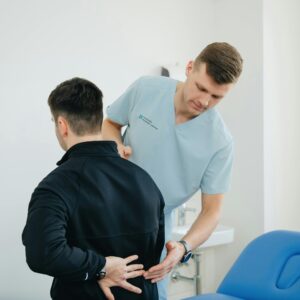
Comprehensive assessment forms the foundation of effective sports physiotherapy. At Tonic Physio, our initial evaluation examines the injured area while considering whole-body function that contributes to athletic performance.
Injury-Specific Examination
We evaluate pain location, quality, and aggravating factors while testing specific structures including ligaments, tendons, muscles, and joints. Special tests confirm or rule out particular diagnoses. Palpation identifies specific tissues requiring treatment.
Movement Analysis
Sport-specific movement assessment reveals dysfunction contributing to injury. We analyze running gait, jumping mechanics, throwing patterns, or lifting technique depending on your activity. Video analysis helps identify subtle abnormalities invisible to casual observation.
Physical Capacity Testing
Strength, flexibility, balance, and endurance testing establish baseline function and identify deficits requiring correction. Comparing injured and uninjured sides quantifies impairment. Comparing results to sport-specific norms reveals performance limitations.
Treatment Techniques in Sports Physiotherapy
Manual Therapy
Hands-on techniques address tissue restrictions and joint dysfunction. Joint mobilization restores normal movement to stiff articulations. Soft tissue release reduces muscle tension and scar tissue. Myofascial techniques improve connective tissue mobility essential for fluid movement.
Exercise Rehabilitation
Progressive exercise programs form the cornerstone of sports rehabilitation. Initial phases emphasize pain reduction and tissue protection. Intermediate phases restore strength and flexibility. Advanced phases develop sport-specific power, agility, and endurance.
At Tonic Physio, we design exercises that replicate your sport’s demands. A runner receives different rehabilitation than a swimmer or weightlifter, despite potentially similar underlying injuries. This specificity accelerates return to activity while reducing re-injury risk.
Modalities
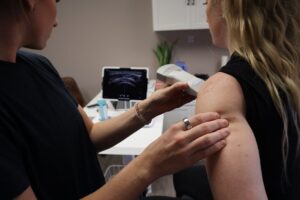
Advanced therapeutic modalities complement hands-on treatment. Shockwave therapy effectively treats chronic tendon conditions like patellar tendinopathy and Achilles problems. Electrical stimulation maintains muscle activation when pain limits voluntary exercise. Ultrasound promotes tissue healing during acute phases.
Taping and Bracing
Athletic taping provides proprioceptive feedback, supports injured structures, and facilitates normal movement patterns during recovery. Kinesiology tape offers flexible support without restricting motion. Rigid taping provides greater stability for acute injuries or high-risk situations.
For athletes requiring ongoing support, custom bracing provides personalized protection that accommodates sport-specific demands while fitting comfortably during intense activity.
Return-to-Sport Protocols
Returning to activity after injury requires careful progression. Premature return risks re-injury and prolonged absence. Overly conservative delay wastes training time and fitness. Our return-to-sport protocols balance these concerns using objective criteria.
Phase 1: Acute Recovery
Initial management reduces pain and inflammation while protecting healing tissues. Treatment emphasizes manual therapy, appropriate modalities, and gentle movement. Athletes begin cardiovascular conditioning that avoids stress to injured areas.
Phase 2: Rehabilitation
As pain subsides, treatment shifts toward restoring strength, flexibility, and neuromuscular control. Exercises progress from simple to complex, stable to unstable, slow to fast. Biomechanical analysis identifies and corrects movement dysfunction.
Phase 3: Sport-Specific Training
This phase replicates sport demands in controlled environments. Running mechanics improve on treadmills before trail running. Throwing programs progress from short distances before full effort. Weightlifting technique refines with submaximal loads before competition weights.
Phase 4: Return to Play
Final clearance requires meeting objective criteria including pain-free full range of motion, strength within ten percent of uninjured side, successful completion of sport-specific drills, and psychological readiness to compete without protective hesitation.
At Tonic Physio, we communicate closely with coaches, trainers, and physicians to coordinate return-to-sport decisions that prioritize long-term athlete health.
Injury Prevention Strategies
The best injury treatment is prevention. Our sports physiotherapy program includes proactive strategies that reduce injury risk and enhance performance.
Pre-Season Screening
Comprehensive assessments before competitive seasons identify deficits that predispose to injury. Muscle imbalances, flexibility limitations, movement dysfunction, and previous injury effects receive correction before intensive training begins.
Load Management
Training volume, intensity, and frequency require careful balancing. Rapid increases in any parameter increase injury risk. We help athletes and coaches design periodized programs that build fitness progressively while incorporating adequate recovery.
Technique Optimization
Movement efficiency reduces mechanical stress on tissues. Small technique adjustments in running form, lifting mechanics, or throwing patterns significantly reduce cumulative strain. Video analysis helps athletes visualize and correct subtle abnormalities.
Recovery Optimization
Training adaptations occur during recovery, not during exercise itself. Sleep, nutrition, hydration, and active recovery strategies determine how effectively the body responds to training stress. Education on these factors enhances both performance and injury resistance.
Performance Enhancement
Beyond injury management, sports physiotherapy improves athletic capacity. Even uninjured athletes benefit from biomechanical analysis, strength and conditioning guidance, and flexibility programs that optimize function.
Physiological testing including VO2 max assessment, lactate threshold determination, and movement efficiency analysis identifies performance limitations invisible during normal training. Targeted interventions address these bottlenecks, helping athletes reach their potential.
Youth Sports Considerations
Young athletes require specialized approaches accounting for growth, development, and psychological factors. Growth plate injuries, apophysitis, and stress fractures present differently than adult conditions. Our pediatric sports physiotherapists understand these differences.
Early sport specialization increases injury risk and burnout. We encourage multi-sport participation and age-appropriate training volumes. For committed young athletes, we provide monitoring that identifies problems before they cause significant injury.
The Psychological Side of Sports Injury
Injury affects athletes psychologically as well as physically. Identity, social connection, stress management, and mood often depend on sport participation. Addressing psychological factors accelerates recovery and prevents complications.
Fear of re-injury commonly delays confident return to sport. Graded exposure, supported by objective functional milestones, rebuilds trust in the injured body. Visualization and mental rehearsal maintain technical skills during physical recovery.
Team connection sometimes suffers during injury absence. Maintaining social involvement, whether through modified participation, coaching assistance, or team support roles, preserves important relationships and motivation.
Nutrition for Athletic Recovery
Proper nutrition supports tissue healing and maintains fitness during recovery. Protein intake repairs damaged tissues and preserves muscle mass when training decreases. Anti-inflammatory foods reduce excessive inflammation that delays healing.
Hydration maintains tissue elasticity and waste removal. Micronutrients including vitamin C, zinc, and magnesium support collagen synthesis and tissue repair. Timing nutrient intake around rehabilitation sessions optimizes recovery adaptations.
Our physiotherapists provide basic nutritional guidance and collaborate with registered dietitians for complex cases requiring specialized nutritional intervention.
When to Seek Sports Physiotherapy
Early intervention produces better outcomes than delayed treatment. Contact Tonic Physio when you experience:
- Pain during or after sport that persists beyond forty-eight hours
- Decreased performance despite maintained training
- Recurrent injuries in the same area
- Stiffness or swelling that limits normal movement
- Instability or giving way in joints
- Numbness, tingling, or weakness in limbs
Seeking care before injuries become chronic reduces recovery time and prevents complications that threaten long-term athletic participation.
The Tonic Physio Advantage
Our sports physiotherapy program distinguishes itself through:
- Experienced sports physiotherapists with specialized training and competitive athletics background
- Comprehensive facilities including rehabilitation gym, treatment rooms, and movement analysis equipment
- Collaborative care coordinating with coaches, trainers, physicians, and other healthcare providers
- Evidence-based protocols incorporating current research and best practices
- Individualized programs recognizing that each athlete and injury is unique
- Performance focus addressing not just recovery but optimization of athletic capacity
Advanced Rehabilitation Technologies
Modern sports rehabilitation incorporates sophisticated technologies that accelerate recovery and enhance outcomes. At Tonic Physio, we utilize advanced tools that complement hands-on care and exercise programs.
Blood Flow Restriction Training
This innovative technique uses specialized cuffs to reduce blood flow to exercising muscles. The resulting metabolic stress stimulates muscle adaptation at lighter loads, protecting healing tissues while maintaining strength. Research demonstrates comparable muscle growth to heavy resistance training despite using significantly lighter weights.
AlterG Anti-Gravity Treadmill
Advanced treadmills that reduce effective body weight allow running retraining before full weight-bearing capacity returns. Athletes maintain cardiovascular fitness and running mechanics while protecting healing structures. Gradual loading progression safely transitions to normal running.
3D Movement Analysis
Sophisticated camera systems capture movement in three dimensions, revealing subtle compensations and inefficiencies invisible to standard assessment. This detailed analysis guides precise technique modifications that reduce injury risk and improve performance.
Force Plate Assessment
Measuring ground reaction forces during jumping, landing, and cutting maneuvers identifies asymmetries and deficits that predispose to injury. These objective measurements guide rehabilitation progression and return-to-sport decisions with quantified data rather than guesswork.
Seasonal Sports Considerations
Milton’s seasonal climate creates unique challenges for outdoor athletes. Understanding these factors helps prevent weather-related setbacks.
Winter Sports
Cold weather requires extended warm-up periods as muscle temperature affects flexibility and injury risk. Appropriate layering maintains warmth without restricting movement. Indoor cross-training options maintain fitness when outdoor conditions become extreme.
Spring Return
After winter inactivity, spring sports participation requires gradual conditioning. The temptation to immediately resume previous intensity often produces injuries. Structured return programs rebuild capacity safely over several weeks.
Summer Heat
Hot, humid conditions increase dehydration and fatigue risks. Adjusting training timing, hydration protocols, and rest periods prevents heat-related illness. Recognizing early warning signs allows intervention before serious problems develop.
Collaborative Care Approach
Effective sports rehabilitation requires coordination among multiple professionals. At Tonic Physio, we integrate care seamlessly across disciplines.
Physicians provide medical diagnosis, medication management, and surgical consultation when necessary. Our physiotherapists implement rehabilitation programs and communicate progress regularly. Massage therapists address soft tissue restrictions that limit movement. Coaches and trainers implement return-to-play protocols with appropriate modifications.
This collaborative model ensures all aspects of recovery receive attention. Athletes benefit from coordinated care rather than conflicting advice from isolated providers. Regular team communication keeps everyone aligned on goals, progress, and modifications.
Education and Empowerment
The ultimate goal of sports physiotherapy is empowering athletes to manage their health independently. While acute injuries require professional intervention, many problems are preventable through education and self-management.
We teach athletes to recognize early warning signs before injuries become serious. Self-treatment strategies including appropriate stretching, strengthening, and recovery techniques reduce dependence on clinical care. Understanding when professional help is necessary prevents both unnecessary visits and dangerous delays.
This educational focus extends beyond individual athletes to teams and organizations. Workshops on injury prevention, warm-up optimization, and recovery strategies benefit entire athletic communities. Investing in education reduces overall injury burden while improving performance across teams.
Long-Term Athletic Development
Sustainable athletic participation requires planning beyond immediate season goals. The Long-Term Athlete Development model guides age-appropriate training that builds capacity progressively without excessive early specialization.
Children and adolescents benefit from varied activities that develop broad movement skills. Late specialization, typically after age fourteen for most sports, reduces injury risk and burnout while potentially improving eventual performance. Our youth programs emphasize fun, skill development, and physical literacy.
Adult recreational athletes require maintenance strategies that preserve fitness while accommodating work and family demands. Efficient training approaches maximize limited time. Injury prevention becomes increasingly important as recovery capacity naturally declines with age.
Masters athletes demonstrate that competitive participation continues across the lifespan with appropriate modifications. Training volume, intensity, and recovery require adjustment, but performance can remain remarkably high. Our masters programs address age-specific considerations while maintaining competitive focus.
Community and Competitive Athletics in Milton
Milton’s growing community supports diverse athletic opportunities from recreational participation to competitive sport. Understanding local resources helps athletes access appropriate training, competition, and support.
Community recreation programs offer entry points for beginners and social participants. Adult leagues in hockey, soccer, volleyball, and basketball provide structured competition without elite demands. These programs emphasize enjoyment and fitness while accommodating varying skill levels.
Regional competitive opportunities exist in most major sports. Travel teams, club programs, and provincial competitions provide progressive challenges for developing athletes. Our physiotherapists understand the demands of competitive schedules and help athletes balance training with recovery.
High-performance pathways exist for exceptional athletes with appropriate support systems. These programs require comprehensive care including physiotherapy, strength and conditioning, nutrition, and psychological support. We collaborate with high-performance coaches to provide integrated care.
The Future of Sports Physiotherapy
Sports rehabilitation continues evolving with technological advances and research insights. Staying current with developments ensures our patients benefit from cutting-edge care.
Wearable technology monitors training loads, recovery status, and biomechanical metrics. Real-time feedback prevents overtraining and identifies problems before injury occurs. Data integration across platforms provides comprehensive athlete monitoring.
Regenerative medicine approaches including platelet-rich plasma and stem cell therapies offer promising options for previously difficult conditions. While research continues establishing optimal applications, these interventions may revolutionize treatment for tendon, ligament, and cartilage injuries.
Telehealth expands access to specialized care, particularly for follow-up monitoring and exercise progression. Remote consultation maintains continuity when travel is difficult. Video analysis enables expert assessment regardless of location.
Conclusion: Your Partner in Athletic Excellence
Sports injuries disrupt training, competition, and the enjoyment that drives athletic participation. Effective sports physiotherapy minimizes this disruption while building resilience against future problems. Whether you are a competitive athlete, weekend warrior, or fitness enthusiast, specialized care helps you perform at your best.
At Tonic Physio in Milton, we are committed to supporting our active community through exceptional sports physiotherapy. From acute injury management through performance optimization, our comprehensive services address every stage of your athletic journey.
If injury threatens your participation or you seek to enhance your athletic performance, contact Tonic Physio today. Our sports physiotherapy team will assess your needs, develop a personalized plan, and partner with you in achieving your athletic goals.