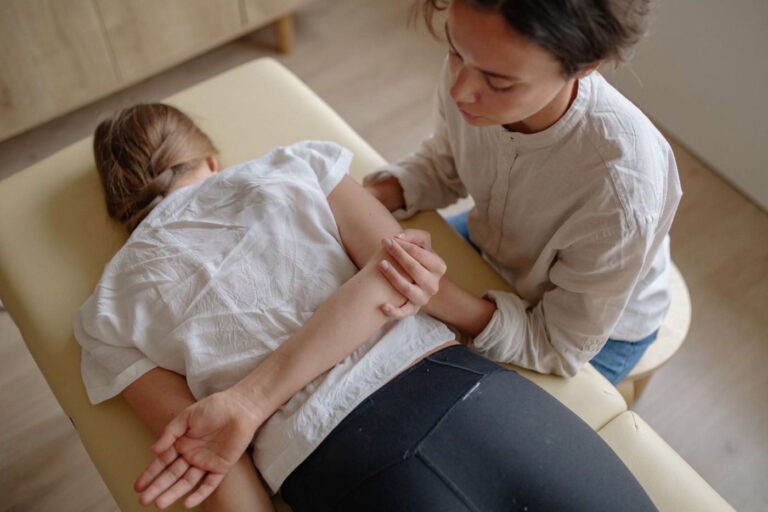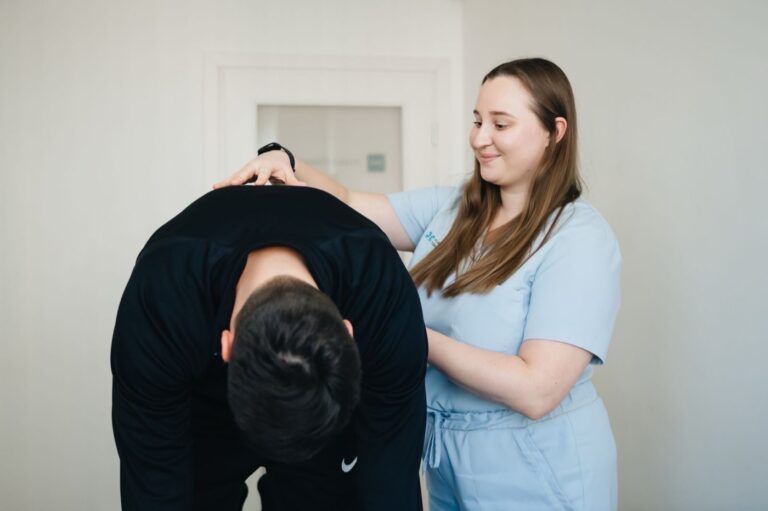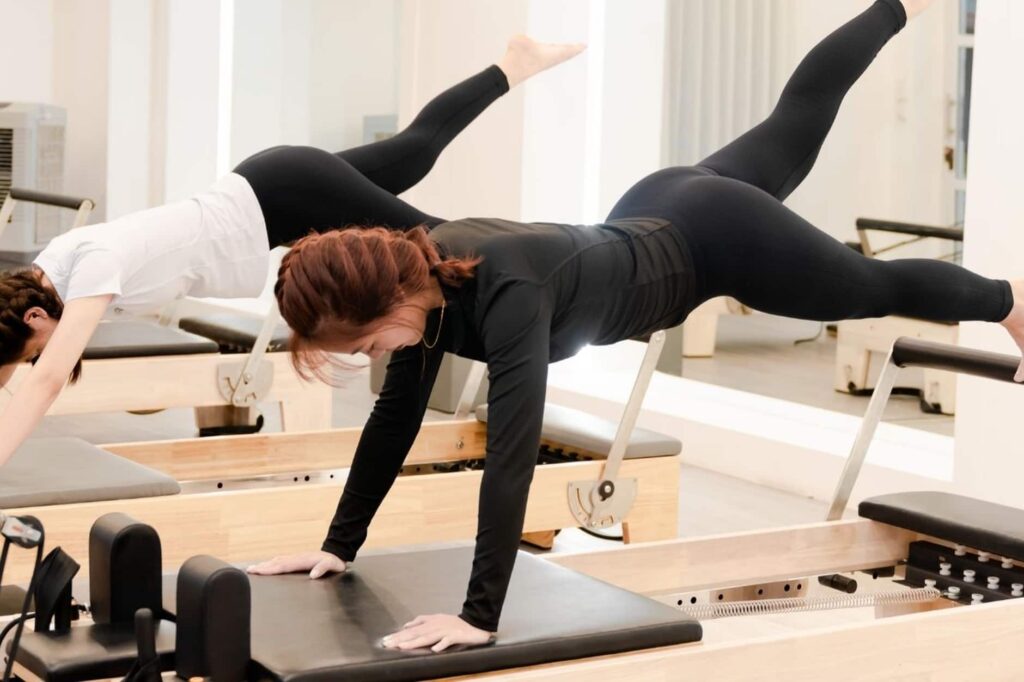
A home exercise program is a set of exercises your physiotherapist prescribes for you to keep doing on your own, between visits and after treatment ends. This guide covers the home exercises physiotherapy patients are most often asked to continue, how often to do them and how to stay consistent.
Key Takeaway: Progress in physiotherapy often depends on what you do at home. A short, regular routine of mobility, strength, stretching and balance work can help keep pain down and lower the chance of a relapse. Follow the exercises and progressions your physiotherapist gave you, and check in if pain increases or you stop improving.
Why Do Home Exercises Matter After Physiotherapy?
Home exercises are the part of physiotherapy that carries on when you leave the clinic. During sessions, your physiotherapist works on mobility, pain and strength, but those gains can fade if they are not reinforced. Regular practice at home helps your body hold on to the changes.
Strength Gains Need Reinforcement
Physiotherapy often wakes up muscles that have been weak or underused for weeks or months. Muscles adapt to the demands placed on them, so strength built in the clinic needs regular use to last. A few sessions a week at home can keep that progress moving forward.
Movement Patterns Need Practice
Your physiotherapist may have helped you correct a limp, a stiff way of bending or a habit of favouring one side. New movement patterns take repetition before they become automatic. Practising at home helps the better pattern become your default.
Flexibility and Pain Respond to Consistency
Occasional stretching is rarely enough to keep stiff joints moving. Gentle, regular movement also helps many people manage ongoing pain, especially in the back and joints. A Cochrane review of exercise therapy for chronic low back pain found that exercise can reduce pain compared with no treatment or usual care.
How Often Should You Do Home Exercises?
There is no single schedule that suits everyone. Your program should match your condition, your stage of recovery and your daily life. The table below shows a common starting point that many physiotherapists use.
| Type of exercise | Typical frequency | Main purpose |
|---|---|---|
| Mobility | Daily | Keep joints moving and reduce stiffness |
| Stretching | Daily or every other day | Maintain muscle length and range of motion |
| Strength | 3 to 4 times a week | Build support around joints and the spine |
| Balance | 2 to 3 times a week | Improve control and reduce the risk of falls or sprains |
| Functional | Built into daily tasks | Make everyday movements easier and safer |
Early Recovery Versus Maintenance
In the early stages after an injury or surgery, your physiotherapist may give you gentle exercises to do more often, sometimes several short sets a day. Once you reach a maintenance stage, the focus usually shifts to fewer, harder sessions each week. Your program should change as you do.
How Long Each Session Should Take
Most home programs take 10 to 30 minutes. Even 10 minutes a day can be more useful than one long session once a week, because regular practice keeps the body adapting. If time is tight, ask your physiotherapist which two or three exercises matter most.
The best time of day is the time you will actually use. Some people prefer gentle mobility in the morning to ease stiffness, with strength work later when the body is warmer. Others split the routine into two short blocks to fit around work and family.
Which Mobility and Stretching Exercises Are Common?
Mobility and stretching exercises keep your joints moving freely and help prevent stiffness from coming back. They are often the first exercises you are given and the ones you may keep doing the longest.
Mobility Exercises
- Cat-cow, moving the spine gently between rounding and arching
- Arm circles and shoulder rolls
- Hip openers and gentle hip circles
- Ankle circles
- Thoracic rotations, turning the upper back while keeping the hips still
These are especially helpful if you sit for long periods or tend to feel stiff in the morning. Move slowly and within a comfortable range, without forcing the end position.
Stretching Exercises
- Hamstring stretch
- Quadriceps stretch
- Chest stretch in a doorway
- Upper trapezius stretch for the side of the neck
- Hip flexor stretch in a half-kneeling position
A common guide is to hold each stretch for 20 to 30 seconds, repeat it 2 to 3 times on each side and stretch on at least 5 days a week. A gentle pull is normal, but sharp or rising pain is a sign to ease off.
Which Strength and Core Exercises Help Most?
Once pain has settled and movement has improved, strengthening is usually the next step. Strong muscles help support joints, reduce strain on healing tissues and lower the chance of future injury. Core strength supports the spine during everyday tasks.
Strengthening Exercises
- Glute bridges
- Wall sits
- Resistance band rows
- Clamshells
- Squats, often to a chair at first
- Bird-dog
Strength work often helps with shoulder injuries, low back pain, knee and hip instability, tendon problems and recovery after surgery. Your physiotherapist can show you how to progress each exercise by adding repetitions, resistance or a harder position.
Posture and Core Exercises
- Modified or full planks
- Dead bug
- Shoulder blade squeezes
- Chin tucks
- Gentle core bracing during daily tasks
If you came to physiotherapy for back or neck pain, these exercises can help reduce flare-ups. Our article on physiotherapy for lower back pain explains how they fit into a wider recovery plan.
How to Progress Safely
A good rule is to change one thing at a time. Add a few repetitions, a little more resistance or a slightly harder version, then see how your body responds over the next day. Mild muscle soreness is normal, but pain that lingers or builds suggests the step was too big.
Why Are Balance and Functional Exercises Important?
Balance and functional exercises link your strength to real life. They retrain the nervous system to control movement and help you return to daily activities with confidence. They are especially useful after ankle, knee and hip problems, and for people with neurological conditions.
Balance and Stability Training
- Standing on one leg, near a counter for support
- Heel-to-toe walking along a line
- Side-to-side weight shifting
- Standing on a cushion or foam pad, once basic balance is steady
Always practise balance somewhere safe, with a sturdy surface within reach. Your physiotherapist may give you harder versions, such as closing your eyes or turning your head, once you are ready.
Functional Training
- Sit-to-stand from a chair
- Step-ups onto a low step
- Practising safe bending and lifting
- Carrying a light bag in one or both hands
These exercises copy the movements you use every day, such as getting out of a chair, climbing stairs, reaching and lifting. Practising them with good technique helps you return to work, sport and family life more safely.
What Equipment Do You Need for Home Exercises?
Most home programs need very little equipment. Many of the most useful exercises use only your body weight, a chair, a wall or a step. A small amount of simple gear can make it easier to progress over time.
Useful Basics
- A non-slip exercise mat for floor exercises
- Resistance bands in two or three strengths
- A sturdy chair without wheels for sit-to-stand and support
- A low step or the bottom stair of a staircase
- Light hand weights, or filled water bottles as a substitute
Making Your Space Safe
Clear enough floor space so you can move without bumping into furniture. Wear supportive shoes for standing exercises unless your physiotherapist has told you otherwise. Check resistance bands for small tears before each use, as a worn band can snap.
How Do You Know if an Exercise Is Working?
Progress after physiotherapy is often gradual, so it helps to know what to look for. Change usually shows up first in daily tasks rather than in how an exercise feels.
Signs of Progress
- Everyday tasks, such as stairs, dressing or lifting, feel easier
- Morning stiffness eases more quickly than before
- You can do more repetitions or hold a position for longer
- Flare-ups happen less often or settle faster
Using Pain as a Guide
Many physiotherapists use a simple rule: mild discomfort during exercise that settles within a day is usually acceptable. Pain that is sharp, keeps building or is worse the next morning suggests the exercise needs adjusting. Your physiotherapist can tell you which level of discomfort is acceptable for your condition.
How Can You Stay Consistent With Home Exercises?
Sticking to home exercises is one of the hardest parts of recovery. A systematic review of adherence to home-based physical therapy found that factors such as low physical activity, low self-belief and a lack of support can make it harder to keep going. Small, practical changes can help.
Make It Part of Your Day
Treat your exercises like an appointment and set a daily reminder. Linking them to an existing habit, such as after brushing your teeth or during the kettle boiling, makes them easier to remember. Keep resistance bands, light weights or a mat where you can see them.
It also helps to plan for busy weeks. Decide in advance on a shorter version of your routine, such as your three most important exercises, so a hectic day does not mean skipping it altogether.
Track Your Progress
A simple checklist, calendar or phone note helps you see what you have done. Noting how you felt, or how far you could reach or walk, shows progress on days when it feels slow. Sharing this log at follow-up visits also helps your physiotherapist adjust your plan.
Start Small and Build
If a full routine feels overwhelming, start with one or two exercises and add more once they become a habit. Keeping active more generally also helps. The Canadian 24-Hour Movement Guidelines set out how much activity, sleep and sitting time adults are advised to aim for.
How Do Home Exercises Fit With Ongoing Care?
Home exercises do not replace professional care, and professional care works best when you keep up your exercises. Regular check-ins help make sure your routine stays safe, effective and matched to your goals.
Follow-Up Visits
At follow-ups, your physiotherapist checks your technique, reviews your progress and updates your program. Exercises that were right a month ago may now be too easy or no longer needed. Our article on how often you should go to physiotherapy explains how visit frequency usually changes over time.
Returning to Sport or Heavy Work
If you are returning to sport or a physical job, your program may move on to sport-specific drills, heavier loading and agility work. These steps are usually added gradually while watching for any return of symptoms. Your physiotherapist can help you decide when you are ready for each stage.
Conditions That Benefit From Ongoing Exercise
Many conditions respond well to a long-term exercise habit, including back and neck pain, arthritis, tendon problems and recovery after joint surgery. You can read about the injuries and conditions physiotherapy can treat in a separate guide.
When Should You Contact Your Physiotherapist or See a Doctor?
Exercise should not make your pain steadily worse. Some soreness after a new or harder exercise is normal, but certain signs mean you should pause and get advice.
Signs to Contact Your Physiotherapist
- Increased or sharp pain during or after exercise
- New swelling around a joint
- Loss of movement you had regained
- Difficulty doing an exercise correctly
- No progress for several weeks
Signs to See a Doctor or Go to Emergency
- New numbness, tingling or weakness in the arms or legs
- Loss of bladder or bowel control, or numbness between the legs, which needs emergency care
- Chest pain, severe shortness of breath or dizziness during exercise
- A hot, red, swollen joint or calf, or a fever
- Pain after a fall or injury that stops you putting weight on a limb
Getting Help With Your Home Program
If you are unsure about your routine, have finished treatment and want a new plan, or feel your progress has stalled, a physiotherapist can review your exercises. In Ontario, you do not need a doctor’s referral to see a physiotherapist.
Next Steps
You can read more about our physiotherapy services and how home programs fit into treatment. When you are ready, you can book an appointment online to have your program reviewed.
This article is for general information and does not replace advice from your own physiotherapist or doctor.