Massage for migraines is hands-on soft tissue work, usually to the neck, shoulders, scalp and jaw, that may ease muscle tension and stress linked with some attacks. It does not stop a migraine once it starts, and research so far is small. Most people book it between attacks, as one part of a plan agreed with their doctor.
If you live with migraines, you may wonder whether massage is worth trying and what a session involves. This guide explains the evidence, what to expect and when to get medical help instead.
Key Takeaway: Massage may help some people with migraines by easing neck and shoulder tension and lowering stress, but the evidence is preliminary and it is not a replacement for medical care. A registered massage therapist can adapt pressure and timing to you. See a doctor for severe, frequent or unusual headaches.
What is massage for migraines?
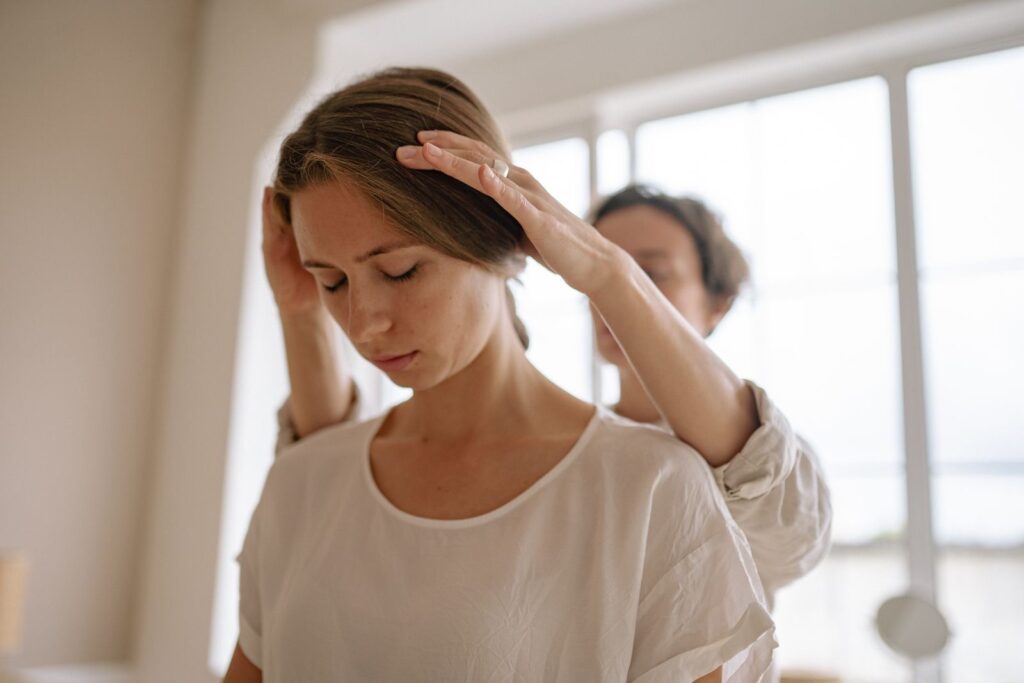
Massage for migraines is the use of manual soft tissue techniques by a trained therapist to relax the muscles of the head, neck and shoulders, with the aim of reducing tension, stress and discomfort that some people link to their migraine attacks.
It is a supportive therapy rather than a medical treatment. Migraine is a neurological condition, and massage does not change how the brain processes a migraine attack. What it may do is address the muscle tension and stress that often travel with it.
Who provides it in Ontario
In Ontario, registered massage therapists are regulated health professionals. The College of Massage Therapists of Ontario sets standards and keeps a public register, so you can confirm a therapist is registered. Ask whether your therapist has experience with headache and migraine clients.
What massage is not
- It is not a way to diagnose headaches or rule out serious causes
- It is not a substitute for prescribed medication or medical follow-up
- It is not something to rely on during a severe or unusual attack
Migraine or tension headache: how can you tell?
Migraine and tension-type headache are different conditions, and the type matters when you consider massage. The NHS describes a migraine as a throbbing headache, often on one side, with nausea and sensitivity to light and sound. Tension headaches usually cause pain on both sides, like pressure or a tight band.
Comparing the two
| Feature | Migraine | Tension headache |
|---|---|---|
| Pain feel | Throbbing, can be severe | Pressing or tightening |
| Location | Often one side of the head | Often both sides of the head, face or neck |
| Other symptoms | Nausea, light and sound sensitivity, sometimes aura | Tender scalp or neck, often able to keep going |
| Duration | Usually 4 hours to 3 days | 30 minutes to several days |
Why the difference matters for massage
Tension headaches are closely tied to muscle tension, stress and sleep, so massage is a more natural fit. Migraines have a stronger neurological basis, so results are less predictable. Many people have both, which is another reason to get a clear diagnosis from a doctor.
Where neck problems fit in
Some headaches start from joints and muscles in the neck. These are called cervicogenic headaches, and they can mimic migraine. A physiotherapist or doctor can help sort out which type you have, which shapes the best treatment.
If massage eases your neck but your migraines stay the same, that is useful information too. It tells you the neck may not be the main driver, and your doctor can look at other causes.
How might massage help with migraines?
Massage may help by relaxing tight muscles, lowering stress and improving sleep, all of which are common migraine triggers or companions. The research is encouraging but limited. It is best to treat massage as something that may help some people, not as a proven fix.
What the research found
A randomized controlled trial of 47 people with migraine found that those who received weekly massage had greater improvements in migraine frequency and sleep quality than the control group. Massage also lowered anxiety, heart rate and cortisol during sessions. The authors described the findings as preliminary support.
What a larger review adds
A 2024 systematic review of myofascial release found clear pain reduction in tension-type and cervicogenic headache. For migraine, the results were inconsistent, and the review rated much of the evidence as low or very low quality.
What this means for you
Together these studies suggest massage may be a reasonable add-on for some people, especially when neck tension and stress are part of the picture. They do not show that it works for everyone. If you try it, track your attacks in a diary so you can see whether it helps you.
What happens during a massage session for migraines?
A session starts with a conversation, then focuses on the areas that tend to hold tension. Your registered massage therapist adjusts pressure and techniques to how you feel on the day. You can ask to pause or change anything at any time.
Health history and consent
Your therapist will ask about your headache pattern, aura, triggers, medications and any other health conditions. Tell them if you take blood thinners, are pregnant or have had a recent head or neck injury. They will explain the plan and ask for your consent before starting.
Areas and techniques
- The muscles at the base of the skull, where tension often builds
- The upper shoulders and the sides and back of the neck
- The scalp, forehead and temples
- The jaw muscles, if you clench or grind your teeth
- Light to moderate pressure, gentle stretching and slow, rhythmic strokes
How you may feel afterwards
Many people feel relaxed and a little tired after a session. Some feel mild tenderness in worked areas for a day. Drink water, rest if needed and tell your therapist how you felt so the next session can be adjusted.
When is the best time to have massage around a migraine?
Most people find massage easiest to tolerate between attacks, when they feel well enough to relax and talk through the session. During an attack, touch, light, noise and smells can all feel worse. Your timing should follow how your body responds.
Between attacks
Booking when you are headache free lets your therapist work on neck and shoulder tension without competing with pain and nausea. Some people choose regular sessions for a period, then reassess how often they need them. There is no set schedule that suits everyone.
During or just before an attack
If you are in the middle of an attack, rest and your doctor’s plan come first. If you have warning signs, such as aura, follow the plan you have with your doctor. It is fine to reschedule a session if you are not well enough.
Managing triggers
Stress, poor sleep and long hours at a screen are common migraine companions. Massage can be one part of managing them, alongside regular sleep, breaks and exercise. Our post on Indian head massage and tension headaches explains one gentle option for the head and scalp.
Can you combine massage with physiotherapy and medical care?
Yes, and many people do. Migraine is often best managed with a team, which may include your doctor, a massage therapist and a physiotherapist. Each looks at a different part of the picture.
Physiotherapy for the neck and posture
A physiotherapist can assess your neck, shoulders and posture, and prescribe exercises that reduce strain. A 2023 systematic review of physical therapy in chronic migraine looked at seven trials. It reported that aerobic exercise and other approaches studied alongside medication improved outcomes such as headache frequency, intensity or quality of life.
Working with your doctor
Keep your doctor informed about any therapy you try. They can adjust medication, review your triggers and watch for changes. A headache diary that records timing, triggers and what helped is useful for both your doctor and your therapist.
Choosing between therapies
If you are unsure which professional to start with, our guide to physiotherapy vs chiropractic vs massage compares the options. You can also read about what to expect from a visit in our registered massage therapy guide.
Is massage safe if you have migraines?
Massage is generally low risk when it is done by a registered therapist who knows your history. Mild tenderness or tiredness afterwards is the most common effect. A few situations call for extra care or a delay.
When to tell your therapist first
- You take blood thinners or have a bleeding condition
- You are pregnant, or have just had a baby
- You have had a neck injury, whiplash or a recent head injury
- You have a fever, infection or other acute illness
- Your headaches have changed pattern or feel different from usual
Pressure and comfort
Pressure should be comfortable, not painful. Deep, aggressive work on a tender neck can leave you sorer or trigger a headache in some people. Speak up early so your therapist can lighten up.
Warning signs after any neck treatment
If you develop a sudden, severe headache, neck pain unlike your usual, dizziness, vision changes, trouble speaking or weakness after any hands-on neck treatment, seek urgent medical help. These are uncommon, but they need to be checked right away.
What else can help with migraines alongside massage?
Massage works best as part of a wider plan. Small daily habits often make as much difference as any single treatment. Your doctor can help you build a plan that fits your type of migraine.
Daily habits that may help
- Keep regular sleep and wake times, even on weekends
- Eat regular meals and drink enough water through the day
- Take screen breaks and adjust your desk and monitor height
- Keep a diary of attacks, possible triggers and what helped
- Add regular gentle exercise, such as walking, if your doctor agrees
Easing neck tension at home
The NHS suggests relaxation activities such as exercise, yoga and massage for tension headaches. It also suggests a low, firm pillow and a heat or cold pack if you have neck pain with headaches. These simple steps suit mild tension, and they do not replace medical advice for migraine.
When should you see a doctor or go to emergency?
Some headaches need medical attention, and massage is not the right first step for them. The NHS advises urgent help for a sudden, extremely painful headache and for certain other warning signs. If you are unsure, it is safer to check.
Call 911 or go to emergency if
- A headache comes on suddenly and is extremely painful
- You have problems speaking or remembering things
- You lose your vision, or have blurred or double vision
- You feel drowsy or confused, or have a seizure
- You have a very high temperature with a stiff neck or rash
- You have weakness in your arm, leg or one side of your face
- The headache followed a recent head injury
See a doctor soon if
The NHS advises seeing a doctor if migraine attacks are severe or getting worse, last longer than usual, happen more than once a week or are hard to control. It also advises urgent advice if an attack lasts longer than 72 hours, aura lasts longer than an hour or you are pregnant or have just had a baby.
In Ontario, you can call Health811 at 8-1-1 for free advice from a registered nurse.
How can massage therapy in Milton help with migraines?
At Tonic Physio, registered massage therapists can work with you on neck, shoulder, jaw and scalp tension, and adapt each session to how you are feeling. Our registered massage therapy service in Milton includes therapeutic treatments for headaches and tension.
What to bring to your first visit
- A list of your medications and any diagnosis you have been given
- Notes on how often attacks happen and what seems to trigger them
- Any warning signs you notice before an attack
- Your goals, such as fewer tension days or better sleep
Coverage and booking
Many extended health plans cover registered massage therapy, but limits and requirements vary, so check your policy first. If you would like to try it, you can book an appointment online and tell us about your headache pattern so we can plan a gentle session.