A mild pulled muscle often feels much better after about 2 weeks, a moderate one can take several weeks and a severe tear can take months, according to the NHS. Timing depends on how much muscle is damaged and how you manage it. Strenuous exercise such as running is best avoided for up to 8 weeks.
This guide explains how pulled muscles heal, what a realistic timeline looks like and how to tell when recovery is stalling.
Key Takeaway: A pulled muscle is a strain, and healing time depends on its severity. Mild strains often settle in about 2 weeks, but moderate and severe ones take longer and need a gradual return to activity. If pain is not improving, or you cannot use the limb normally, get it checked.
What is a pulled muscle?
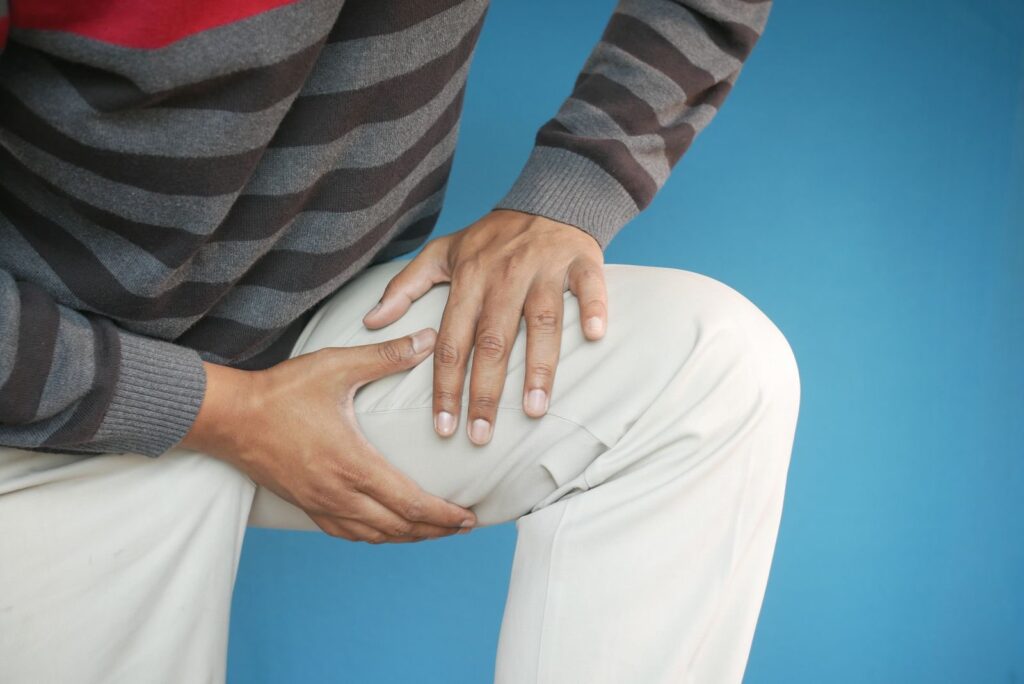
A pulled muscle is a muscle strain, which means the muscle fibres have been overstretched or torn. The NHS describes a strain as an overstretched or torn muscle, also known as a pulled muscle, and says it is most common in the feet, legs and back.
Muscles are made of bundles of fibres. When a muscle is stretched too far or loaded too hard and too fast, some of those fibres can be damaged. The result can range from a few strained fibres to a complete tear.
Pulled muscle, strain and tear: are they different?
These words describe the same kind of injury at different levels of severity. A pulled muscle is the everyday name, a strain is the medical term and a tear usually means more fibres are damaged. Clinicians often grade strains from 1 to 3, with 3 being the most severe.
Pulled muscle vs sprain
People mix up strains and sprains, but they involve different tissues. The table below follows the NHS description of each.
| Injury | Tissue involved | Most common areas |
|---|---|---|
| Strain (pulled muscle) | Overstretched or torn muscle | Feet, legs and back |
| Sprain | Torn or twisted ligament, the tissue that connects joints | Wrists, ankles, thumbs and knees |
Common causes
The NHS lists not warming up before exercise, tired muscles and playing sport as common causes of strains. Sudden fast movements, such as sprinting, lunging or lifting a heavy object awkwardly, are typical moments. Many strains happen late in a game or workout, when fatigue sets in.
How long does a pulled muscle take to heal?
Healing time depends mainly on severity. After 2 weeks, the NHS says most sprains and strains will feel better, but severe ones can take months to get back to normal. Your own timeline can differ, so treat any number as a guide rather than a deadline.
Healing time for each grade
| Severity | What you may notice | General pattern |
|---|---|---|
| Mild (grade 1) | Tightness or mild pain, you can still use the muscle | Many people feel better after about 2 weeks |
| Moderate (grade 2) | Sharper pain, weakness, swelling or bruising | Often several weeks, with running and hard sport held back for up to 8 weeks |
| Severe (grade 3) | Severe pain, a gap or lump, trouble using the limb | Can take months and needs a medical review |
What the stages of healing feel like
Muscle heals in overlapping stages. First comes a short phase of pain and swelling, then repair as new tissue forms, then a longer phase where that tissue strengthens and reorganises. This explains why a muscle can feel fine for daily tasks long before it is ready for sprinting.
A review of how injured skeletal muscle regenerates notes that most muscle injuries do well without surgery. It also warns that failed treatment can delay an athlete’s return to sport by weeks or even months.
Why two similar injuries can heal differently
- Location: injuries near a tendon or deep in a big muscle can be slower
- Size of the tear and how much bruising or swelling follows
- Whether the same muscle was hurt before
- How soon and how well you protect and then load the muscle
- The demands of your work, sport or training
What helps a pulled muscle heal?
The best approach is to protect the muscle for a short time, then restart movement in small steps. Protection calms the injury, and gentle loading helps new tissue line up and strengthen. A physiotherapist can show you where the line is between helpful and harmful.
The first 2 to 3 days
The NHS recommends the PRICE steps for the first 2 to 3 days. These are protection, rest, ice, compression and elevation.
- Protect the injury, for example with a support or well-fitting shoes
- Rest from the activity and avoid putting weight on it if it hurts
- Apply an ice pack wrapped in a cloth for up to 20 minutes every 2 to 3 hours
- Use a bandage for compression during the day
- Raise the area on a pillow when you can
The NHS also advises avoiding heat, alcohol and massage in the first couple of days, because they may increase swelling.
Moving again without overdoing it
Once you can move the muscle without pain stopping you, the NHS advice on sprains and strains is to keep moving it so it does not stiffen. Start with easy walking or range of movement. Increase slowly, and stop if sharp pain returns.
Pain relief and pharmacist advice
A pharmacist can suggest pain relief that suits you, such as paracetamol or an ibuprofen gel. Check labels and tell the pharmacist about any health conditions or medicines you take. Pain relief makes movement more comfortable, but it does not mean the muscle is ready for hard use.
What slows down recovery from a pulled muscle?
Recovery slows when the muscle is stressed again before it is ready. Healing tissue is weaker than healthy muscle, so a sudden sprint or heavy lift can pull it apart again. Most delays come from a few common habits.
Returning too soon
The most common mistake is going back to full activity as soon as walking feels normal. Walking places a small demand on the muscle compared with sprinting, jumping or heavy lifting. Our guide to return to sport testing criteria explains how clinicians judge readiness.
Stretching hard too early
Pulling hard on a freshly injured muscle can add to the damage. Gentle movement is helpful, but aggressive stretching in the first days often is not. Wait until the muscle is calmer, and let your physiotherapist guide how far to go.
Skipping strength work
When pain fades, many people stop rehab. The muscle may still be weaker than the other side, which raises the chance of a repeat injury. Strength and control exercises close that gap and prepare the muscle for the demands of your sport or job.
How do you know if a pulled muscle is not healing?
Healing should move in one direction, even if progress is slow. Pain, swelling and weakness should gradually ease over days and weeks. If that stops, or things get worse, it is worth a check rather than waiting.
Signs recovery is stalling
- Pain is no better after about 2 weeks of sensible self-care
- Pain gets worse over time, or returns each time you try to do more
- Swelling or bruising is increasing instead of fading
- The muscle feels weak or gives way
- You notice a lump or dent in the muscle
Other problems that feel like a pulled muscle
Not every pain in a muscle is a strain. Referred pain from the lower back, a tendon problem, a bone stress injury or a nerve issue can feel similar. A clot in the calf can also look like a strain, which is why swelling, warmth and redness in the calf need prompt medical attention.
Can you exercise with a pulled muscle?
You can often stay active with a pulled muscle if you choose movements that do not load the injured muscle or provoke sharp pain. Complete inactivity is rarely needed, because the rest of your body, and the injured muscle itself, do better with gentle movement. The right choices depend on which muscle is hurt and how badly.
Activities that are often comfortable
- Easy walking on flat ground, if it does not hurt
- Swimming or pool walking, which takes load off the muscle
- Upper body or core work if the injury is in a leg
- Gentle range of movement exercises within comfort
Activities to hold off on
Avoid sprinting, jumping, heavy lifting and hard stretching until the muscle is calm and strong. The NHS advises avoiding strenuous exercise such as running for up to 8 weeks after a strain, because of the risk of further damage.
Follow pain as a guide: mild, short-lived discomfort that settles quickly is usually acceptable, while sharp or growing pain is a stop sign.
How can you prevent pulled muscles?
You cannot remove every risk, but sensible habits lower the chance of straining a muscle. Prevention comes down to preparing your muscles, building load slowly and not training on empty. These steps matter most when you restart a sport after a break.
Warm up before you go hard
A warm-up raises heart rate and gets muscles moving before they face fast or heavy work. Try a few minutes of easy jogging or cycling, then leg swings, lunges and gradual build-ups in speed. Our guide to increasing running mileage without injury shows how to ramp up safely.
Build strength and increase load gradually
Stronger muscles tolerate more load before fibres are overstretched. Add strength work for the legs, hips and core each week, and raise distance, speed or weight in small steps. Big jumps in training, especially after time off, are a common setup for strains.
Respect fatigue
Tired muscles are more likely to strain, which is why many injuries happen late in a game or workout. If you are worn out, lower the intensity or stop. Sleep, food and rest days all help your muscles cope with training.
When should you see a doctor about a pulled muscle?
Most pulled muscles can be managed at home, but some signs call for medical care. The NHS advises seeking help if the injury is very painful, the pain is getting worse or you cannot put any weight on it. Trust your instincts if something feels wrong.
Get urgent medical help if
Go to an emergency department or call 911 if you cannot bear weight, have severe pain after a fall or collision, or notice a visible deformity or large gap in the muscle. Seek urgent help if you have a swollen, hot, tender calf, chest pain or shortness of breath, because these can be signs of a blood clot.
Also get care quickly if you have a fever or feel hot, cold and shivery with the injury, since this can point to an infection.
See a doctor or physiotherapist soon if
- A large amount of swelling or bruising appears, or it is getting worse
- The area feels very stiff and is hard to move
- You have numbness or tingling in the limb
- The injury is not feeling better after treating it yourself
In Ontario you can call Health811 at 8-1-1 for free advice from a registered nurse.
How can physiotherapy in Milton help a pulled muscle?
A physiotherapist grades the injury, checks for other causes of your pain and builds a recovery plan around your activity. Many Milton residents play hockey, soccer, ball hockey and run on local trails. We plan your return around the demands of your own sport or job.
What an assessment includes
Your visit usually covers how the injury happened, a check for swelling, bruising and tenderness, and tests of movement and strength. You leave with a clear idea of what to do now, what to avoid and what tests to pass before you progress.
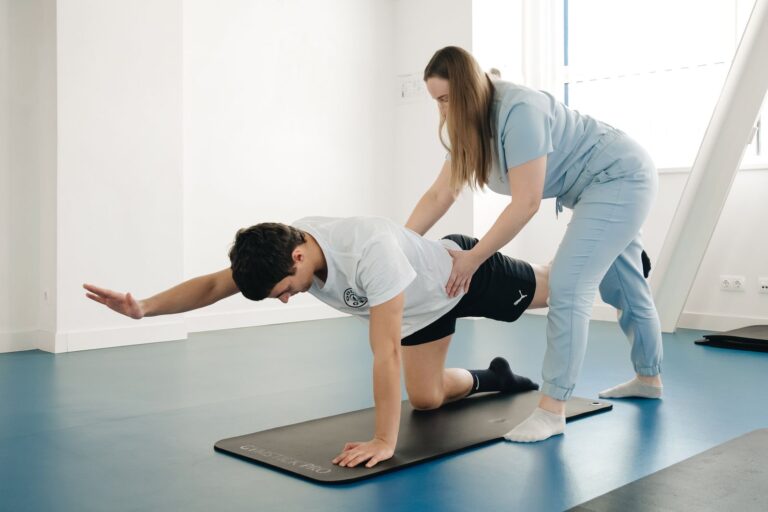
Our sports physiotherapy service in Milton supports muscle injuries from the first days through to full activity.
Rehab and preventing a repeat injury
Rehab moves from gentle movement to strength, then to speed and sport-specific tasks. We also look at your warm-up, training load and technique to lower the chance of a repeat. Our posts on pre and post sports stretching and hockey groin strain and return to sport show how this works in practice.
Coverage and booking
You can see a physiotherapist in Ontario without a doctor’s referral, though some insurers ask for one. Extended health benefits often include physiotherapy, and auto insurance may apply if the injury followed a collision.
If a pulled muscle is slow to settle, you can book an assessment online to get a clear plan.