Slip and fall injuries on ice most often affect the wrists, ankles, knees, hips, back and head. After a fall, check for pain, swelling and any head injury before you get up slowly. Many bruises and sprains settle with early care and gradual movement, but severe pain, head symptoms or a limb you cannot use need urgent medical help.
Key Takeaway: Stay down for a minute and check yourself before you move. Call 911 for a head, neck, back or hip injury, or if you cannot get up. Once a doctor says movement is safe, physiotherapy can rebuild strength, range of motion and balance.
What injuries can a fall on ice cause?
A slip and fall injury is damage to bones, joints, muscles or the head that happens when you lose your footing and hit the ground.
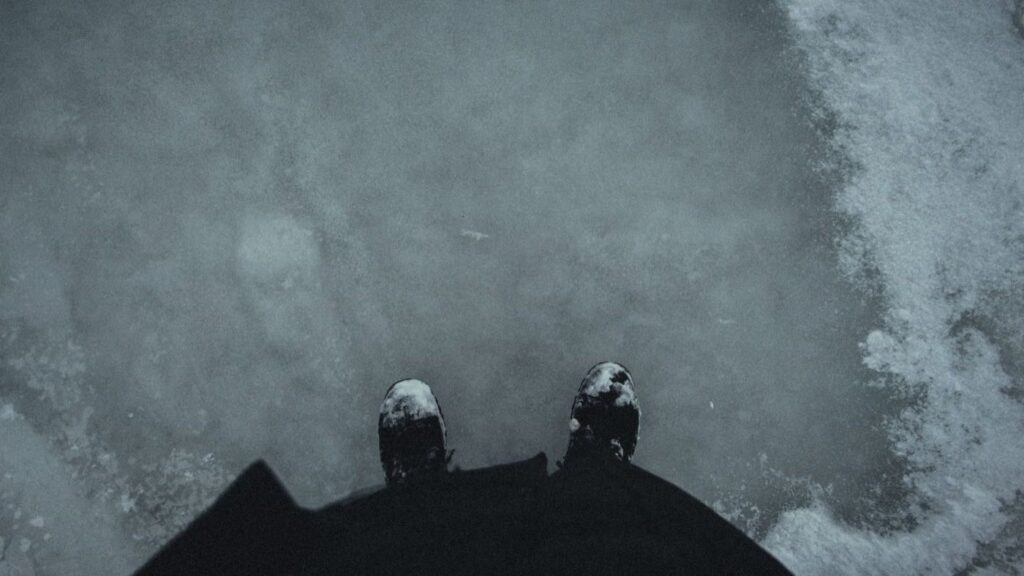
Ice makes your feet go out from under you with little warning, so you often land hard and cannot brace well. The injury depends on how you land, your age, your bone strength and what you were carrying.
Falls on snow and ice are a regular winter problem in Canada. A study of Calgary emergency departments counted close to 15,000 visits for falls on ice or snow over eleven years.
Weather matters too. Calgary researchers found that freeze-thaw swings strongly predicted busy days for fall injuries. Milton sees the same pattern whenever a mild day is followed by a freezing night.
Wrists, elbows and shoulders
Most people throw out a hand when they fall. That sends force up through the wrist, elbow and shoulder, which can cause sprains, fractures, dislocations or a sore, stiff shoulder. A wrist that looks bent, swells quickly or cannot bear weight should be checked by a doctor.
Ankles, knees and hips
A foot that slides sideways can twist the ankle or knee, and a sideways landing can bruise or fracture the hip. Older adults and people with thin bones are more likely to break a hip. If you cannot put weight on a leg after a fall, do not test it repeatedly.
Back, tailbone and head
Landing on your bottom can bruise the tailbone and jar the lower back. Falling backwards can also snap your head against the ground even if you did not feel it hit. Back pain that spreads after a fall, or any head strike, deserves a closer look.
Who is more likely to be hurt?
Anyone can slip, but the same fall can do more harm to some people. Thinner bones, slower reactions, weaker legs, vision changes and certain medicines all raise the chance of a fracture or a head injury. Children and active adults tend to have sprains, wrist breaks and bruises instead.
What should you do right after a fall?
Stay where you are for a minute or two and check your body before you try to move. Quick, panicked movements can turn a small injury into a bigger one. The NHS gives clear steps in its guide to falls.
Check yourself first
Take a couple of minutes to notice pain, numbness, dizziness or an arm or leg that will not move normally. If you may have injured your head, neck, back or hip, or you cannot get up, call 911 and stay as warm as you can while you wait.
If you are in a car park or on a street, wave to someone or call out. Keep your phone in a pocket you can reach from the ground, not in a bag.
Getting up safely
If you feel able, roll onto your side and push up onto your hands and knees. Find something stable to hold, such as a railing or sturdy bench, and bring one foot flat on the ground. Stand up slowly, then sit and rest before you walk anywhere.
Helping someone else who has fallen
Keep them comfortable and warm, and do not try to lift them yourself. Ask where it hurts and whether they hit their head. Call 911 if they may have injured the head, back, neck or hip, or cannot get up.
When should you see a doctor or go to emergency?
Some injuries after a fall cannot wait. Others can be checked within a day or two. If you are unsure, getting checked is safer than waiting at home, and Health811 (8-1-1) offers free advice from a registered nurse at any hour.
Head injury warning signs
The NHS lists signs of a serious head injury. Call 911 if someone who hit their head was knocked out, cannot stay awake, has a seizure, has problems with vision, hearing, walking, balance or speech, has clear fluid or blood coming from the ears or nose, or has new numbness or weakness.
Get same-day medical advice if there is vomiting, dizziness or growing confusion. People who take blood thinners should be checked after any head strike, even when they feel fine.
Other reasons to go to emergency
Go to the nearest emergency department for severe pain, a limb that looks out of shape, a deep cut, numbness or tingling in an arm or leg, or pain in the hip or groin that stops you walking. Chest pain, trouble breathing or severe back pain after a fall should also be treated as emergencies.
When to book a clinic visit instead
See your family doctor or a walk-in clinic if pain, swelling or bruising is not improving after a few days, or if you are worried about a fracture. You can book physiotherapy in Ontario without a doctor’s referral, although a doctor should rule out a fracture first when you are unsure.
This table gives a general guide to where to go. When symptoms are unclear, choose the higher level of care.
| Situation after a fall | Where to go | Why |
|---|---|---|
| Hit your head and were knocked out, confused or vomiting | Call 911 or go to emergency | Head injuries need prompt assessment |
| Cannot put weight on a leg, or a limb looks out of shape | Emergency department | A fracture or dislocation needs imaging |
| Wrist, ankle or knee swollen and sore but usable | Walk-in clinic or family doctor within a day or two | A doctor can decide if an X-ray is needed |
| Bruising, stiffness and aches that are slowly easing | Self-care, then physiotherapy if movement stays limited | Gradual loading helps restore function |
| Unsure how urgent it is | Health811 (8-1-1) | A nurse can advise on the next step |
How does recovery work after a slip and fall?
Recovery is the staged return of movement, strength and confidence after an injury.
The pace depends on which tissues were hurt and how badly. Soft tissue injuries such as bruises, sprains and strains often settle over weeks. Broken bones follow the plan your doctor sets, which may include a cast, a sling or surgery.
The first few days
For sprains and strains, the NHS suggests protecting the area, resting it for the first couple of days and applying an ice pack wrapped in a towel for short periods. Gentle movement within comfort helps prevent stiffness, and sharp pain is a signal to ease off.
Ask a pharmacist or doctor before taking pain medicine, especially if you take other medicines.
How physiotherapy can help
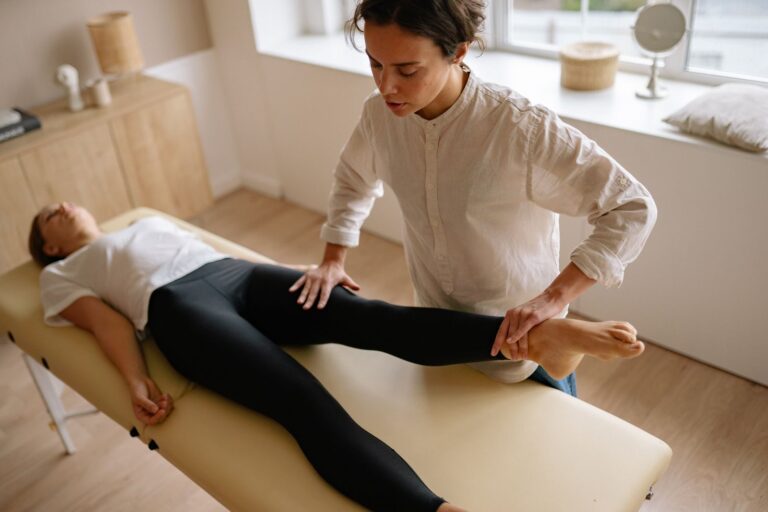
Once your doctor says movement is safe, physiotherapy can restore range of motion, rebuild strength and retrain balance. A physiotherapist can also teach you how to move around a cast, sling or brace while you heal. This matters after wrist, shoulder and hip injuries, which tend to leave stiffness behind.
Our guides on shoulder pain and hip recovery after surgery describe typical rehab stages.
Staying active while you heal
Rest does not mean stopping all movement. Keep moving the joints above and below an injured area, walk short distances if your doctor allows it, and avoid long periods in bed or on the couch. Gentle activity supports circulation, mood and sleep, which all help recovery.
Falls at work or on someone else’s property
If you fell at work, report it right away, and see our guide to the WSIB claims process. For any fall, note when and where it happened, your symptoms and the care you received.
Questions about who is responsible for a fall are legal matters, and this guide cannot advise on them. It covers injury care only.
Which footwear and ice grips lower your risk?
You cannot remove every slippery patch, but you can lower the odds that one takes you down. Your shoes, your pace and the way you step all matter. These steps are general and suit most healthy adults.
Ice often stays hidden after the weather warms. The Calgary study above found that ice present up to three days earlier still predicted more emergency visits, so treat shaded patches and car park edges with care on mild days.
Choosing winter footwear
Look for a deep, flexible tread that stays soft in the cold, and a sole wide enough to keep you stable. Smooth leather soles, heels and worn boots are the usual troublemakers. Check the tread each season and replace boots when it wears flat.
Ice grips and how you walk
Slip-on traction cleats can add grip on packed snow and ice, but take them off before you walk on indoor floors. On slippery ground, take shorter steps, keep your feet pointing slightly outward and move your weight over each foot before you lift the next.
Keep your hands out of your pockets so you can use your arms for balance. Slow down when you are carrying shopping or children, and use handrails where they exist.
Planning around the weather
Check the forecast before you head out. When rain follows a cold night, assume the ground is slick even if it looks wet and ordinary. Allow extra time, choose cleared routes and avoid carrying heavy loads on days like this.
Around your home
Clear and de-ice steps, driveways and walkways early. Spread salt or sand before the surface refreezes in the evening. Keep a bag of sand near the door so that a neighbour can also use it if needed.
Can balance training reduce your fall risk?
Balance and leg strength are two of the best things you can train. The NHS says older adults should do activities that improve strength and balance at least twice a week. The Canadian movement guidelines for adults 65 and older link regular activity with fewer falls and fall-related injuries.
Simple balance drills at home
Stand next to a kitchen counter so you can grab it if you wobble. Try these, building up as they feel easy.
- Feet together stand: hold for 30 seconds, 2 times
- Tandem stand, one foot in front of the other: hold for 20 to 30 seconds each side, 2 times
- Single-leg stand with fingertips on the counter: hold for 10 to 20 seconds each side, 2 times
- Heel-to-toe walking along a hallway: 10 steps, 3 times
Do these on a non-slip floor in supportive shoes, and add difficulty slowly. Aim for a mild challenge, not a struggle, and practise on most days. A short daily routine of five to ten minutes does more than one long session each week.
Strength for legs and hips
Strong thighs and hips help you catch yourself when you slip. Sit-to-stand from a firm chair is a good start, with 2 sets of 8 to 10 and arms crossed if you can. Side leg raises holding a counter and gentle step-ups on a low step also help.
Stop if you feel chest pain, dizziness or sharp joint pain. Check with a doctor first if you have a heart condition, severe osteoporosis or dizziness.
Why a balance assessment helps
A physiotherapist can test how you stand, walk and turn, then match exercises to what you find hard. They can also check footwear, walking aids and medicines that might affect balance with your doctor. Our post on geriatric physiotherapy for strength and independence explains what to expect.
How can physiotherapy in Milton help after a fall?
After a fall, a physiotherapist checks your injury, guides your recovery and works on the strength and balance that lower the chance of another fall. At Tonic Physio, our balance and fall prevention service covers this for adults of all ages.
What happens at an assessment
We ask how you fell, what hurts and what you would like to do again. We then test movement, strength, balance and walking, and explain what we find in plain words. If something needs a doctor’s attention, we tell you and help you take the next step.
Coverage and booking
Extended health plans often cover physiotherapy, and many insurers can be billed directly. Our guide to OHIP and private physiotherapy coverage explains the basics, and plans vary.
If a winter fall has left you sore, stiff or less steady, you can book an assessment online and we will plan your recovery with you.