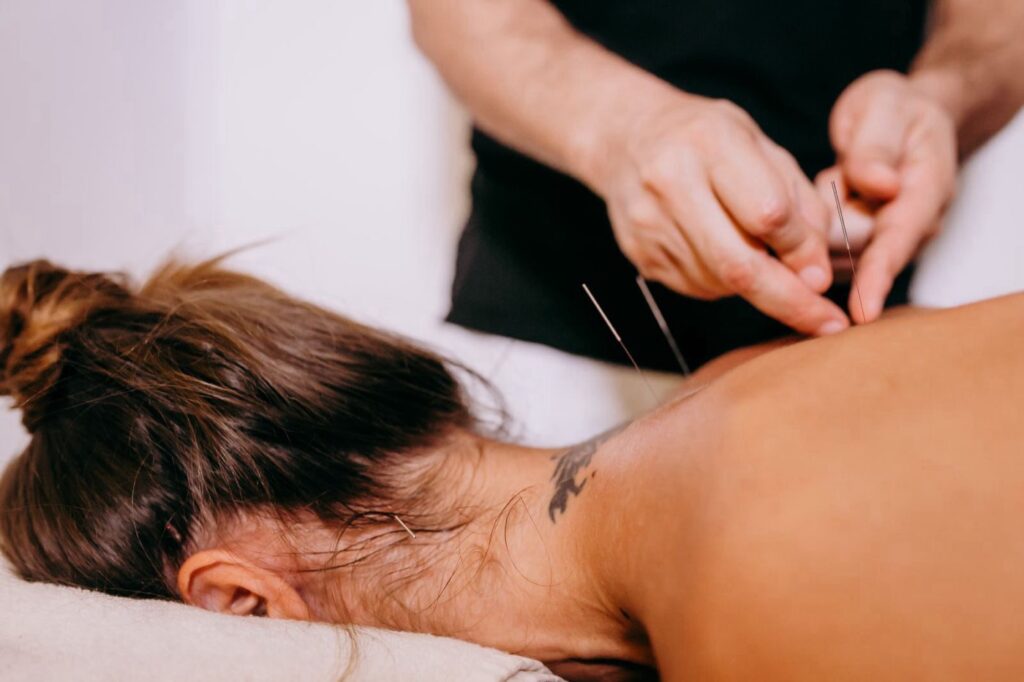
Dry needling is a treatment in which a trained clinician inserts very thin, solid needles into tight, tender spots in a muscle, often called trigger points, to ease pain and improve movement. No medicine is injected, which is why it is called dry. It is usually combined with exercise and hands-on care.
Key Takeaway: Dry needling targets tight, tender muscle spots and may reduce pain for a few weeks, but evidence of long-term benefit is limited. It is generally low risk when done by a trained clinician, with rare but serious risks near the chest and upper back. It works best as one part of a plan that includes exercise.
What is dry needling, and how does it work?
Dry needling is a physical therapy technique that places very thin, solid needles into muscle and the tissue around it, without injecting any medicine. The needles are similar to those used in acupuncture.
The needle goes into a spot that feels tight, knotted or tender, and sometimes into the area around a painful joint. The treatment is short, and most sessions last only a few minutes of actual needling.
What is a trigger point?
A trigger point is a sensitive spot in a tight band of muscle that can hurt when pressed and sometimes sends pain to another area. For example, a tender spot in the upper shoulder muscle may refer an ache toward the neck or head. Not everyone agrees on exactly what trigger points are, and research is still active.
How it may help
Clinicians suggest several possible effects.
The needle may trigger a brief twitch in the muscle, which is followed by relaxation. It may also change how nearby nerves and the brain process pain signals, and increase local blood flow. Which of these matters most, and for whom, is still being studied.
What does dry needling treat?
Dry needling is mostly used for muscle and tendon pain and for the stiffness that goes with it. It is rarely used on its own. Most plans combine needling with exercise, because the aim is to ease pain enough that you can move and strengthen the area.
Common problems it is used for
- Neck and upper back tightness, including tension that spreads toward the head
- Shoulder pain and stiffness around the shoulder blade
- Low back and buttock muscle tightness
- Hip, thigh and calf muscle tension, including some running injuries
- Tennis elbow and other tendon problems
- Jaw muscle tightness, often alongside other TMJ care
What the research says
A 2017 systematic review and meta-analysis of dry needling by physical therapists found that it may reduce pain and improve pressure pain threshold in the immediate to 12-week period compared with sham or other treatment. The authors rated the evidence as ranging from very low to moderate quality. They also noted that evidence of long-term benefit is currently lacking.
A review of six trials in neck and upper back myofascial pain compared dry needling with trigger point manual therapy. Both improved pain and function in the short to medium term, and neither was clearly better than the other. That is why many clinicians treat needling as one option among several.
What does dry needling feel like?
The needles are much thinner than the ones used for injections or blood tests, so most people feel little when the skin is pierced. What you notice is usually a response in the muscle once the needle is in place. Sensations vary from person to person and from spot to spot.
During the treatment
Common sensations include a dull ache, a feeling of pressure or a brief muscle twitch or cramp. Some people describe it as a strange but short-lived feeling. You should tell your clinician if anything feels sharp, burning or too intense, because the needle can be adjusted or removed.
After the treatment
Soreness in the treated muscle for a day or two is common, often like the feeling after a workout. Light movement, warmth and a gentle stretch usually help. Some people feel looser straight away, and others notice changes over the following days.
Is dry needling safe, and what are the side effects?
When it is done by a trained clinician, with new sterile needles, dry needling is generally considered low risk. Like any treatment that breaks the skin, it does carry some risks. Your clinician should explain these and ask for your consent before starting.
Common side effects
- Soreness or aching in the treated area, often for a day or two
- Small bruises or a spot of bleeding where the needle went in
- Tiredness or light-headedness during or after a session
- Temporary muscle tightness or twitching
Rare but serious risks
Needling near the chest and upper back can, rarely, injure the lung, which is why clinicians are careful about depth and angle in those areas. Infection and nerve irritation are also uncommon but possible. Seek medical help right away if you have chest pain, shortness of breath, spreading redness, fever or numbness after treatment.
How do clinicians keep dry needling safe?
Safe practice depends on training, hygiene and good judgment about where and how deep to place each needle. You can see many of these steps happening, and you are entitled to ask about them.
Hygiene and set-up
- New, sterile, single-use needles opened in front of you
- Clean hands and gloves as appropriate, and a cleaned treatment area
- A comfortable position, often lying down, which lowers the chance of fainting
- Safe disposal of used needles in a sharps container
Judgment and depth
Areas near the lungs, major blood vessels and nerves need extra care, and a clinician may choose a different technique or no needling at all. Pressure, angle and depth are adjusted to the muscle and your body. Tell your clinician right away if you feel anything unusual.
Setting realistic expectations
Needling does not work for everyone, and some people feel little change. A fair plan agrees in advance how many visits you will try, what improvement you are looking for, and when to stop if it is not working.
Who should not have dry needling?
Dry needling is not suitable for everyone, and sometimes it needs to wait. Always tell your clinician about your health history, medicines and any recent surgery or infections before you start.
Situations that need extra care or a delay
- Bleeding disorders, or blood-thinning medicines, as the NHS acupuncture page advises caution
- Infection or a skin condition in the area to be needled, as the same NHS page notes
- Pregnancy, where some points or areas are avoided
- A pacemaker or other implanted device, where electrical needling is not used
- Very strong fear of needles, or a history of fainting with needles
- Poorly controlled medical conditions, or a weak immune system
You can say no at any point
Consent is ongoing. You can decline or stop a treatment at any time, and a good clinician will respect that. Many conditions can be treated well with other methods, such as manual therapy, exercise and education.
How does dry needling compare with other options?
Dry needling is one tool among several for tight, painful muscles. The best choice depends on your problem, your preferences and how you have responded to treatment in the past. A good clinician will talk through the options rather than assume needling is the answer.
Manual therapy, exercise and education
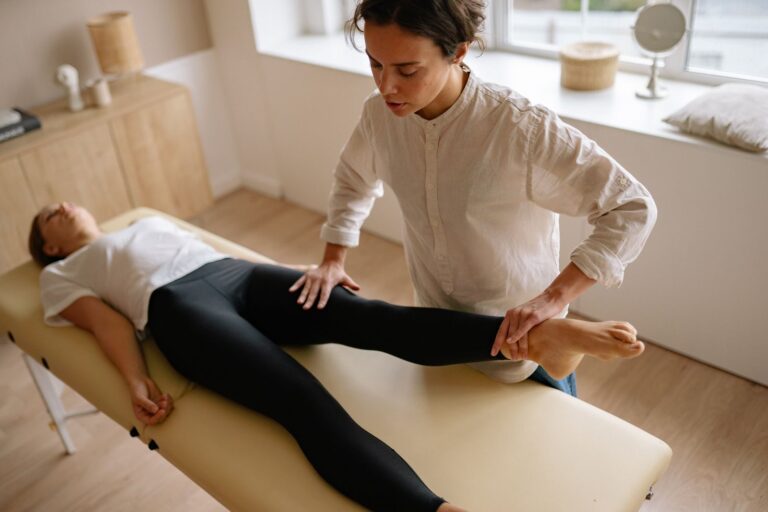
Hands-on techniques such as massage, stretching and joint mobilization are common first choices, and they have the advantage of no needles. Exercise is usually the backbone of recovery, because it restores strength and confidence in the area. Learning why your pain flares, and how to manage it, often matters as much as any single treatment.
When needling might be worth considering
Some people find that a stubborn tight spot does not respond well to massage or stretching. In that case, needling may help the muscle settle enough for exercise to be more effective. Others prefer to avoid needles altogether, which is a perfectly reasonable choice.
| Option | What it is | Often used for |
|---|---|---|
| Dry needling | Thin needles into tight muscle spots | Stubborn muscle tightness |
| Manual therapy | Hands-on pressure, stretching, mobilization | Stiffness, restricted movement |
| Exercise therapy | Guided strength and mobility work | Almost every muscle and joint problem |
How can you get the most from treatment?
Needling works best as a short window of relief that lets you do the things that rebuild the area. Think of it as a way to make movement easier, not as a stand-alone fix. What you do between visits makes a lot of difference.
Before your visit
- Eat a light meal and drink water beforehand, since fasting can make some people faint
- Wear loose clothing so the area can be reached easily
- Bring a list of your medicines, including blood thinners
- Write down your questions, and anything that has made your pain better or worse
After your visit
Keep moving gently, drink water and use warmth if the muscle feels sore. Do the exercises your physiotherapist gave you, because they help the relief last. If you notice anything that worries you, contact the clinic or your doctor.
Who can perform dry needling in Ontario?
In Ontario, needling is part of acupuncture, which is a regulated controlled act. The College of Physiotherapists of Ontario states in its Controlled Acts Standard that physiotherapists performing acupuncture, including dry needling, under their own authority must be rostered for it.
Questions worth asking
- Are you registered with the college that regulates your profession?
- Do you perform this treatment, and what training have you had?
- Why do you think dry needling suits my problem, and are there alternatives?
- What are the risks, and what should I do if I feel unwell afterwards?
How it differs from acupuncture
The needles can look similar, but the reasoning is different. Dry needling is usually guided by muscle findings from a physical assessment, while traditional acupuncture follows a different framework. Our article on the difference between dry needling and acupuncture covers the detail.
What happens at a physiotherapy visit that includes dry needling?
Needling is only one part of a visit, and often a small one. Your physiotherapist first needs to understand your problem, check you are a suitable candidate and make sure your pain is not coming from somewhere that needs a different approach.
A typical visit
- A conversation about your pain, history, medicines and goals
- A physical assessment of movement, strength and tender muscle areas
- An explanation of what needling involves, and your consent if you choose to go ahead
- Needling of selected muscle areas, often for a few minutes in total
- Exercises, stretches or hands-on care, and advice for the next day or two
How many sessions?
There is no standard number. Some people feel enough change after one or two visits to move on to exercise, while others find it helps less and choose other methods. Your physiotherapist should check progress each visit and stop if it is not helping.
When should you see a doctor?
Most muscle pain is not serious, but some symptoms should be looked at first, before or instead of any hands-on treatment.
Urgent signs
Go to an emergency department or call 911 for chest pain, trouble breathing, sudden weakness or numbness on one side of the body, or severe pain after an injury or fall. Seek urgent care for pain with fever, new loss of bladder or bowel control, or numbness around the groin.
If you are unsure how urgent something is, call Health811 at 8-1-1 for free advice from a registered nurse.
Other reasons to check in
See a doctor if pain is not improving after a few weeks, if it wakes you at night, or if you have unexplained weight loss or feel generally unwell. These can point to something that needs a different kind of care.
How can physiotherapy in Milton help?
Dry needling at Tonic Physio is offered as one option within a broader plan, and only when it suits you. Many Milton patients come in with desk-related neck and shoulder tension, running injuries and tight lower backs, and often exercise and manual therapy do most of the work.
What to expect from us
Your first visit is a full assessment, with a clear explanation of options. If needling is suitable, we explain the risks and benefits before you decide. You can read about the treatment on our dry needling page, and about related hands-on options in our article on myofascial release versus regular massage.
Extended health benefits often cover physiotherapy, and auto insurance or WSIB may apply, depending on how your injury began.
Booking
If tight, painful muscles are holding you back, you can book an assessment online to see whether dry needling or another option fits you.