Snow shoveling back pain usually comes from lifting heavy loads with a rounded back, twisting to throw snow and working for too long without a break. You can lower your risk by warming up, pushing snow instead of lifting it, keeping loads light, and pacing yourself. If you have heart disease, check with your doctor first.
Key Takeaway: Warm up, push snow instead of lifting it, keep each scoop light and turn with your feet, not your spine. Take regular breaks and ask for help if you have heart disease or a sore back. Get urgent care for chest pain, or for back pain with leg weakness, numbness or loss of bladder or bowel control.
What is snow shoveling back pain, and why does it happen?
Snow shoveling back pain is a strain or irritation of the muscles, joints and discs in the back, brought on by the bending, lifting and twisting involved in clearing snow.
Shovelling combines three things that spines do not like: repeated bending, a heavy load held out in front of you, and a twist at the end of each throw. It is also unfamiliar work. Many of us do not shovel for months, then clear a full driveway on the first cold morning of the year.
The load at the end of the shovel
Wet, heavy snow can weigh a lot more than dry powder, and a full shovel acts like a long lever. The farther the load is from your body, the harder your back and hips have to work to hold it. Lifting that load over a pile or a snowbank adds height to the effort.
Bending, twisting and cold muscles
Bending forward and twisting at the same time is the combination most likely to leave you sore. Cold weather can also make muscles feel stiffer, so the first few minutes are when many strains happen. Fatigue builds as the job goes on, and tired muscles lose their good form.
Who is most at risk
Anyone can strain a back shovelling, but you are more likely to if you already have back pain, sit most of the day or have not been active lately. Our article on why lower back pain keeps coming back explains why past episodes make a repeat more likely.
How should you warm up before shovelling?
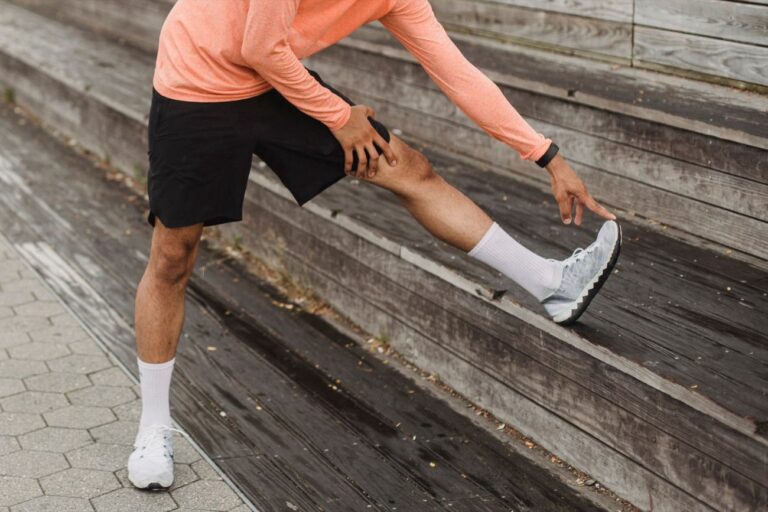
A warm-up gets blood flowing and your joints moving before you ask them to work. The Heart and Stroke Foundation advises a longer warm-up in cold weather, and treats shovelling as vigorous exercise. Give yourself five to ten minutes indoors before you head out.
A simple five-minute routine
- March on the spot or walk around the house for two to three minutes
- Do gentle hip circles and slow trunk turns, keeping your knees soft
- Roll your shoulders backward and forward a few times
- Do five slow squats, going only as far as is comfortable
- Reach your arms overhead and gently side-bend each way
Dress and plan before you go
Wear layers you can take off as you warm up, grippy boots and gloves that let you hold the handle firmly. Drink some water first and again during breaks. Decide beforehand how long you will work and where you will take your first rest.
What is the safest way to lift and push snow?
The safest technique reduces how much you lift, how far you reach and how much you twist. Small changes in how you move make a noticeable difference by the end of the driveway. The Heart and Stroke Foundation also advises keeping your feet planted, holding the shovel close and turning with your feet rather than your back.
Push first, lift second
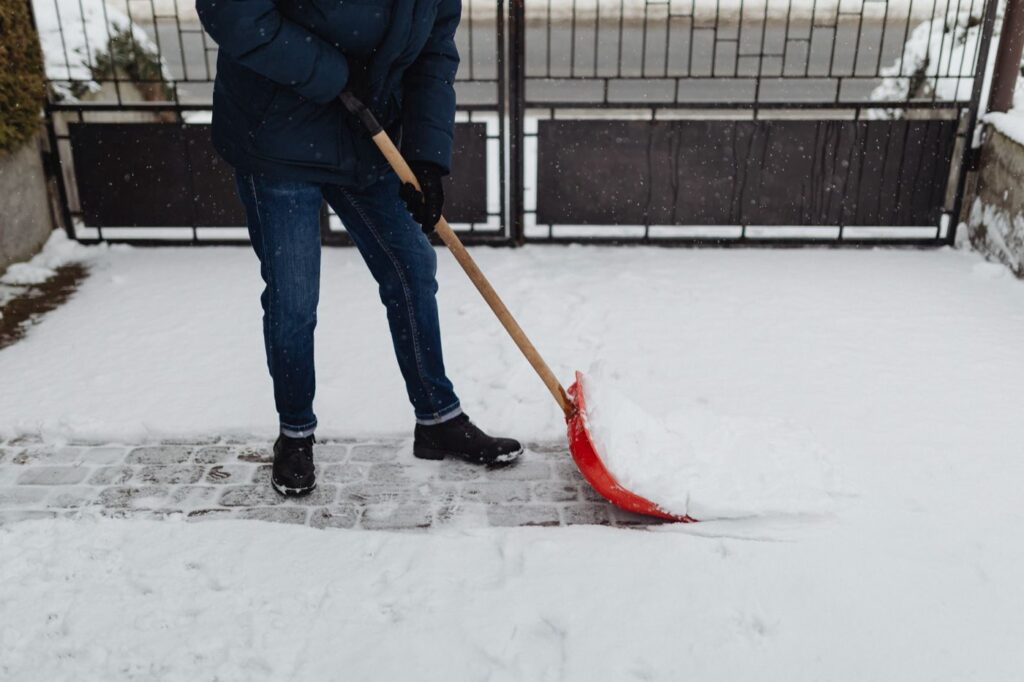
Pushing snow along the ground uses less effort than lifting it. Where you can, push it to the side of the driveway or lawn and avoid throwing it over your shoulder. When you do have to lift, take smaller scoops.
Hinge at the hips and keep the load close
Bend your knees and hinge at the hips, keeping your back in a comfortable, neutral position. Hold the shovel close to your body and let your legs and hips do the work. Tightening your tummy muscles gently as you lift can help you feel steadier.
Turn with your feet
Instead of twisting at the waist, step your feet around so your whole body faces where the snow will land. Switch hands and sides regularly so one side does not take all the effort. This also gives tired muscles a short rest.
Clear snow early and in layers
Fresh snow is lighter than snow that has been walked on, packed down or frozen. If a storm is heavy, clear it in two or three passes rather than waiting until the end. Several short sessions are kinder to your back than one long marathon.
| Common habit | Why it hurts | Safer way |
|---|---|---|
| Full shovel, thrown over the shoulder | Heavy load at arm’s length plus a twist | Smaller scoops, push to the side |
| Bending from the waist | Rounded back under load | Bend knees, hinge at the hips |
| Working non-stop | Fatigue and lost form | Short rests, switch hands |
| Waiting for snow to freeze | Heavier, packed snow | Clear it early, in passes |
How do you choose the right shovel?
A good shovel should suit your height and your strength. Heart and Stroke notes that a smaller blade lowers the chance of muscle injury, and that a shovel which is too short forces you to bend over and strain your back. If you have a back that is easily irritated, a shovel is one of the cheapest places to start.
What to look for
- A smaller or mid-sized blade, so each scoop stays light
- A handle long enough that you can work without stooping
- A bent or adjustable handle, if you find them comfortable
- A lightweight material, with a slippery blade surface so snow slides off
- A pusher-style shovel for wide, flat areas
Other options
An electric snow blower, a neighbour’s help or a snow-clearing service may be worth it on heavy days, particularly if you have back pain, heart disease or both. It is fine to ask for help.
Should you worry about your heart when shovelling?
Yes, for some people. Cold air and heavy effort can raise your heart rate and blood pressure. The Heart and Stroke Foundation treats shovelling as a vigorous activity and suggests that people with heart disease ask family, friends or neighbours for help.
Who should talk to a doctor first
If you have heart disease, high blood pressure, have had a heart attack or stroke, or are not used to vigorous activity, speak to your doctor before you shovel heavy snow. Do the same if you are unsure whether it is safe for you.
Warning signs of a heart problem
Stop and call 911 if you notice chest pain or pressure, shortness of breath, light-headedness, a cold sweat, nausea, or discomfort that spreads to your neck, jaw, shoulder or arm. Women and some other people may have less typical symptoms. The Foundation lists the emergency signs of heart disease on its site.
Do not wait to see if it settles, and do not drive yourself to the hospital.
What about ice, slips and falls while clearing snow?
Many shovelling injuries come from a slip, not from the shovel itself. A sudden slip can wrench the back, hips or wrists in a split second. A few simple habits lower the chance of a fall.
Footwear and traction
Wear boots with a deep, grippy tread and consider removable ice cleats on slick days. Take shorter steps, keep your weight over your feet and avoid carrying heavy loads over icy patches. Use handrails on steps, and clear the steps first.
Salt, sand and pacing
Spread salt or sand on icy areas after you clear them, so the surface is safer for the next trip. Keep your phone with you in case you fall, and let someone know when you are heading out alone. If you do fall and hit your head or cannot get up, seek medical help.
If you feel unsteady
Dizziness, tiredness or a lack of confidence on ice are good reasons to stop and ask for help. There is no prize for finishing the driveway alone.
How do you shovel safely if you already have back pain?
Back pain does not always mean you must stop shovelling, but it does mean you should plan the job. The goal is to keep the load light and the session short, while staying within what your back tolerates that day. If pain is flaring, it is reasonable to ask someone else to take over.
Pacing the job
- Break the driveway into sections, and rest for a minute or two between each
- Stop and stretch gently if your back starts to tighten, rather than pushing on
- Use a smaller scoop on days when your back feels sensitive
- Finish with a short walk and some easy movement so you do not stiffen up
Common shovelling mistakes
The mistakes we hear about most are filling the shovel too full, throwing snow over the shoulder, working without a warm-up and carrying on when tired. Another is clearing a long driveway in one go, with no breaks at all. Each of these is easy to change, and none needs special equipment.
How can you build a back that copes with winter jobs?
Winter chores are easier when your hips, legs and trunk are used to working. A few simple exercises, done through the year, can prepare you. They are general ideas, so check with a physiotherapist first if you are in pain or have a medical condition.
Movements to practise
- Hip hinge: push your hips back with soft knees and a flat back, then stand tall again
- Glute bridge: lift your hips from the floor, pause briefly and lower with control
- Suitcase carry: walk while holding a weight in one hand, keeping your trunk upright
- Side plank on your knees or feet: hold for as long as you can keep good form
- Bird dog: reach one arm and the opposite leg out while keeping your trunk still
Staying active through winter
Many people become less active when it gets cold, then ask a lot of their bodies on the first snowy day. Regular walking, home exercises or a gym routine through the colder months make a sudden task like shovelling feel less of a shock.
What should you do if you strain your back shovelling?
Most back strains from shovelling settle within days to a few weeks, and the NHS advises staying active rather than resting in bed. Gentle movement usually helps more than waiting for the pain to disappear first.
The first few days
- Keep moving with short, easy walks and normal daily tasks as comfort allows
- Use heat or ice, whichever feels better, for short periods
- Change position often, and avoid long periods in one posture
- Ask a pharmacist or doctor about pain relief that is safe for you
- Skip heavy shovelling until it is comfortable, and ask someone else to clear the snow
Our guide to sleeping with lower back pain may help if nights are uncomfortable.
When to see a doctor or go to emergency
Go to an emergency department if you have back pain with new weakness in a leg, numbness around the groin or buttocks, loss of bladder or bowel control, or severe pain after a fall on ice. Seek urgent care for back pain with a fever, or for chest pain at any time.
See a doctor if the pain is not improving after a couple of weeks, if it keeps waking you at night or if it travels down your leg. You can also call Health811 at 8-1-1 for free advice from a registered nurse.
How can physiotherapy in Milton help after a shovelling strain?
A physiotherapist can check what has been strained, ease stiffness and give you a plan to get moving again. We can also look at what made the job hard in the first place, such as stiff hips or a weak trunk, so next winter goes more smoothly.
What a visit includes
Your assessment covers how the pain started, how you move, your back and hip range, strength and any nerve signs. Treatment may include hands-on care, gentle exercises and advice on lifting. We can also suggest ways to pace winter chores around Milton’s snowy months.
Our back and neck pain care page describes what we offer. Our guides to core strengthening exercises for back pain and physiotherapy for lower back pain give more ideas for building a back that copes with winter jobs.
Booking
If your back is still sore after shovelling, you can book an assessment online and get a clear plan before the next snowfall. You do not need a referral, though some insurers ask for one.