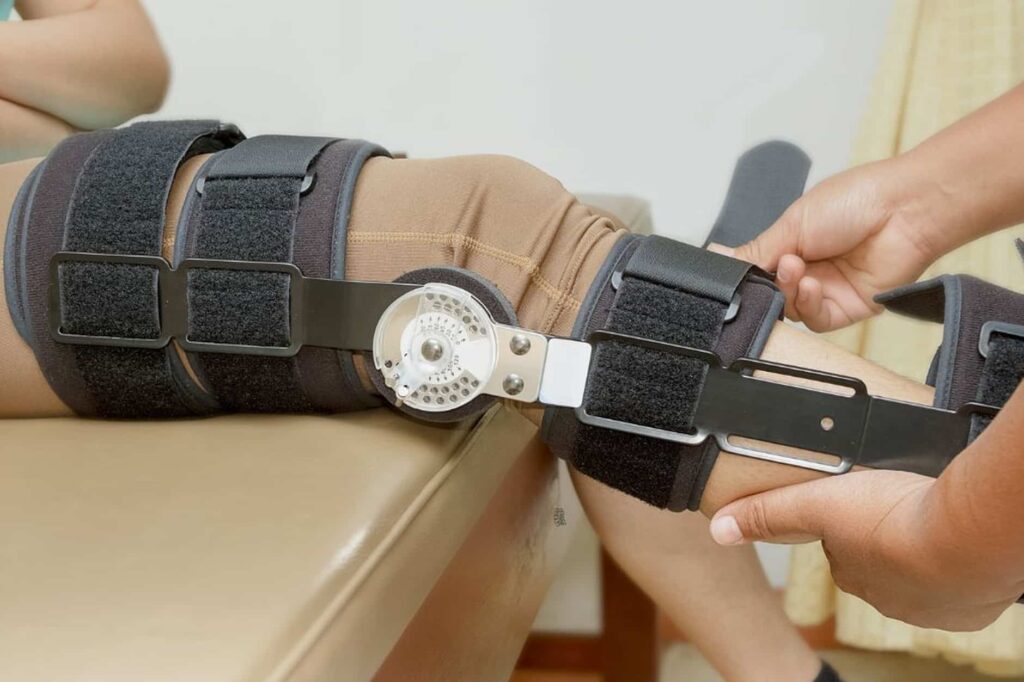
If you are dealing with joint pain, instability, or recovering from an injury, you have probably asked yourself whether a custom brace is worth the investment or whether an over-the-counter option will do the job. At Tonic Physio in Milton, our physiotherapists fit both custom and OTC braces, and the right choice depends on your specific condition, your anatomy, and your recovery goals. This guide explains when each option makes sense, who each is best for, and how our team at Tonic Physio helps you decide.
Quick Comparison: OTC braces are pre-made, affordable, and good for mild or temporary support. Custom braces are measured and built for your exact anatomy, ideal for post-surgical recovery, chronic instability, structural issues, or high-impact activity. Most OTC braces cost $20 to $60. Custom braces cost more upfront but last longer and deliver better outcomes. Many extended health plans cover custom bracing with a prescription.
What Is the Difference Between Custom and OTC Bracing?
Over-the-counter braces are pre-made devices available at pharmacies, medical supply stores, and online retailers. They come in standard sizes (small, medium, large) and offer general support for common conditions like mild ankle sprains, minor knee pain, or wrist strain. They are affordable, easy to find, and useful for temporary relief or minor injury management.
Custom braces are designed specifically for your body. They are measured, fitted, and built based on your exact anatomy, your specific condition, your activity level, and your recovery goals. Custom devices provide superior alignment, targeted support, and a level of comfort that off-the-shelf products cannot match. At Tonic Physio, our physiotherapist and certified Pedorthist Randy Pedersen works with patients across Halton Region to design and fit custom braces for post-surgical, sports, and chronic conditions. You can read more about our full custom and OTC bracing service in Milton, or explore the broader physiotherapy services we offer.
When Over-the-Counter Bracing Is Sufficient
OTC braces can be the right choice in several common situations. Here is when we typically recommend them at our Milton clinic.
Mild First-Time Ankle Sprains
If you have a mild, first-time ankle sprain and need light compression and stability during daily activities, a basic ankle brace from the pharmacy may be enough. Look for a lace-up style with figure-8 straps for mild to moderate sprains, or a sleeve for very mild support. Use the brace for 2 to 6 weeks during the healing phase, then wean off as your ankle strength returns.
Occasional Knee Discomfort
If you experience occasional knee pain during walking, light exercise, or long days on your feet, a simple knee sleeve can provide warmth, mild compression, and proprioceptive feedback. These are widely available at pharmacies and work well for early-stage osteoarthritis or general knee fatigue.
Wrist Strain from Computer Work
Patients in Milton who spend long hours typing and develop wrist strain often do well with a basic wrist brace that holds the wrist in a neutral position during sleep. OTC wrist braces are inexpensive, comfortable for nighttime wear, and effective for short-term relief.
Preventive Use During Low-Risk Activity
Athletes sometimes use OTC braces for preventive purposes during low-risk activities like light jogging, recreational hiking, or casual cycling. A simple knee sleeve can give a sense of support and warmth without restricting movement.
Early-Stage Osteoarthritis
People with early-stage osteoarthritis who need occasional joint warmth and compression can benefit from over-the-counter options. A neoprene knee sleeve or compression ankle sleeve provides comfort during flare-ups without the cost of a custom device.
In all these cases, the condition is stable, the pain is mild, and the support needed is general rather than specific. If your situation does not match any of these, or if symptoms do not improve within 2 to 4 weeks, it is time to consider custom.
When Custom Bracing Becomes Essential
Custom bracing becomes the better option when your condition is more complex, your activity demands are higher, or your anatomy does not fit standard sizes well. Here are the situations where we strongly recommend custom at our Milton clinic.
Post-Surgical Recovery
Post-surgical recovery is one of the most common reasons patients at Tonic Physio choose custom bracing. After ACL reconstruction, meniscus repair, rotator cuff surgery, or ankle ligament surgery, the joint needs precise, adjustable support that matches your healing timeline. A custom brace can be modified week by week as your range of motion changes, which an OTC brace cannot do. Most post-surgical patients wear a custom brace for 6 to 12 weeks during the most vulnerable healing phase.
Chronic Joint Instability
Chronic instability is another strong indicator for custom bracing. If you have recurring ankle sprains, frequent knee buckling, or repeated shoulder dislocations, a custom device can prevent further damage by providing targeted stabilization exactly where it is needed. Off-the-shelf braces often shift, slip, or fail to stabilize the specific structures causing your instability.
Structural Deformities or Alignment Issues
Structural deformities or alignment issues also require custom solutions. If you have scoliosis, severe flat feet, a leg length discrepancy, or significant knee valgus or varus, an off-the-shelf brace will not address the root of the problem. A custom device accounts for these irregularities and provides the corrective support necessary for effective treatment.
High-Impact or Competitive Athletes
Whether you play hockey at the Milton Sports Centre, soccer at Milton Turf Club, basketball, or run marathons along the Niagara Escarpment trails, your brace must withstand intense movement without slipping, chafing, or limiting healthy motion. Custom braces are built for your sport and your body. We design them with the specific range of motion, impact pattern, and sweat resistance your activity requires.
Workplace Injury and WSIB Claims
If your bracing need comes from a workplace injury, custom is often required. WSIB claims in Ontario typically cover custom bracing when prescribed by a physiotherapist as part of a return-to-work plan. Our team at Tonic Physio in Milton handles the WSIB paperwork and can measure and fit you once your plan is in place.
Custom vs OTC Bracing: Side-by-Side Comparison
This is the table most of our Milton patients want to see first. It breaks down the practical differences across the factors that matter most.
Custom vs OTC at a Glance
| Factor | OTC Brace | Custom Brace |
|---|---|---|
| Cost | $20 to $60 | $300 to $1,500+ depending on type |
| Fit | Standard sizes, adjustable straps | Made from precise measurements of your body |
| Comfort during extended wear | May slip, rub, or feel bulky | Follows your anatomy, padding positioned exactly where needed |
| Durability | Wears out in 3 to 6 months | Lasts 1 to 5 years with proper care |
| Best for mild conditions | Excellent | Overkill for most mild issues |
| Best for post-surgery | Insufficient | Designed for your healing timeline |
| Best for chronic instability | Often fails | Targeted stabilization of the specific unstable structure |
| Adjustable as you recover | No | Yes, modified week by week |
| Insurance coverage | Rarely | Often covered with prescription (extended health, WSIB, MVA) |
How a Custom Bracing Appointment Works at Tonic Physio Milton
Here is what to expect on your first visit, so there are no surprises.
Step 1: Assessment (30 to 45 minutes)
Your physiotherapist or Pedorthist evaluates your joint, range of motion, strength, and the specific instability or condition. We discuss your activity level, recovery goals, and any imaging you have brought (X-ray, MRI). Based on this, we recommend either OTC or custom, and we explain why.
Step 2: Casting or Scanning (15 to 20 minutes)
For custom braces, we take a precise impression of the affected area using either plaster casting or 3D digital scanning. The impression captures every contour of your anatomy so the lab can build a brace that fits like a second skin.
Step 3: Fabrication (1 to 3 weeks)
Your impression goes to a specialized orthotics lab. Fabrication usually takes 1 to 2 weeks for most braces, longer for complex devices. We keep you updated and let you know the moment your brace is ready.
Step 4: Fitting and Adjustment (30 to 45 minutes)
You come back to our Milton clinic, we fit the brace, and we make any adjustments needed for comfort and function. We walk you through how to put it on, how to take it off, how to clean it, and when to wear it. You leave with a fully fitted, ready-to-use custom brace.
Step 5: Follow-Up (1 to 2 weeks later)
We check in to make sure the brace is working for you, that comfort is good, and that your recovery is on track. If anything needs tweaking, we handle it at the follow-up visit at no extra charge.
Long-Term Cost Considerations
The math is not as one-sided as it seems. OTC braces are cheaper upfront. A basic ankle or knee brace might cost between twenty and sixty dollars. The tradeoff is durability and effectiveness. OTC braces wear out faster, stretch over time, and may not provide the level of support needed to prevent re-injury. Most patients who rely on OTC braces for serious conditions end up buying two or three replacements within a year, which adds up fast.
Custom braces cost more initially but last longer and provide better outcomes. A well-made custom knee brace, for example, can last 3 to 5 years with proper care, and delivers the level of support that prevents re-injury in the first place. If your condition requires ongoing support, investing in a custom device can actually save money by reducing the need for repeated purchases, additional physiotherapy sessions, or costly complications from inadequate support.
Insurance Coverage for Custom Bracing in Ontario
Many extended health insurance plans cover custom bracing when prescribed by a physiotherapist or physician. Coverage varies by plan, so check with your insurer. WSIB covers custom bracing for workplace injuries, and motor vehicle accident insurance covers bracing needed after a car accident.
The admin team at Tonic Physio in Milton can help verify your coverage, provide the necessary documentation, and submit claims on your behalf for most major insurers. We also offer direct billing where available, so you only pay the difference.
Common Questions About Bracing in Milton
These are the questions we hear most often from patients deciding between OTC and custom.
How do I know if I need custom or OTC bracing?
If your condition is mild, recent, and stable, OTC is usually enough. If your condition is post-surgical, chronic, structural, or activity-specific, custom is the better choice. The easiest way to know is to book a 30-minute bracing assessment at Tonic Physio in Milton. We will tell you honestly which option is right for you, and we will not push you toward custom if OTC will work.
How long does a custom brace take to make?
Most custom braces are fabricated in 1 to 2 weeks. Complex braces for spinal conditions or significant deformities can take 3 to 4 weeks. We always give you a realistic timeline during your assessment.
Will my insurance cover a custom brace?
Many extended health plans cover custom bracing with a prescription from a physiotherapist or physician. WSIB and motor vehicle accident insurance also cover it for qualifying cases. Our admin team at Tonic Physio in Milton will verify your specific coverage and handle the paperwork.
How long does a custom brace last?
With proper care, most custom braces last 1 to 5 years depending on the type and how often you wear it. A daily-wear knee brace for an active adult typically needs replacement every 2 to 3 years. A wrist brace used only for post-injury support may last 5+ years.
Can I try an OTC brace first to see if it works?
Yes. If your physiotherapist thinks OTC is a reasonable first step, we will tell you exactly what to look for, what features matter, and when to come back if it does not work. Many of our Milton patients successfully manage mild conditions with the right OTC brace.
Is there a difference between custom braces from different clinics?
Yes. The lab matters, the practitioner taking the impression matters, and the fitting process matters. At Tonic Physio, our certified Pedorthist Randy Pedersen has over 20 years of experience fitting custom braces, and we only work with accredited Canadian orthotics labs. The combination is what makes the difference between a brace that works and one that ends up in a drawer.
Book a Bracing Assessment in Milton
If you are not sure whether you need custom or OTC bracing, the easiest first step is a 30-minute assessment with one of our physiotherapists or our Pedorthist at Tonic Physio in Milton. We will evaluate your condition, explain your options clearly, and recommend the right solution, even if that means telling you an OTC brace from the pharmacy is all you need.
Call us at (905) 878-7775 or book online through JaneApp. We are located in Milton, Ontario, and we serve patients from Oakville, Burlington, Georgetown, Campbellville, and across Halton Region. We offer direct billing for most major insurance plans and handle WSIB and MVA bracing claims directly. If you have questions before booking, contact our team and we will point you in the right direction.