Custom bracing plays a vital role in recovery from injuries, surgical procedures, and chronic conditions. Whether you need support after knee surgery, stabilization for a sports injury, or long-term assistance with osteoarthritis, understanding what happens during a custom bracing fitting helps you prepare and ensures the best possible outcome.
At Tonic Physio in Milton, our certified brace fitters work closely with physiotherapists to provide braces that match your exact measurements, condition, and activity goals. This guide explains every step of the fitting process so you know what to expect and how to get the most from your custom brace.
Understanding Custom Bracing
Custom bracing differs from over-the-counter braces in several important ways. While standard braces come in general sizes and provide basic support, custom braces are manufactured specifically for your body measurements and medical needs. This personalized approach ensures better fit, improved comfort, and more effective treatment outcomes.
The custom bracing process involves detailed assessment, precise measurement, and sometimes 3D scanning or casting to create a device that integrates seamlessly with your body and lifestyle. At Tonic Physio, we combine this technical precision with clinical expertise to ensure your brace supports your recovery goals.
Step 1: Initial Assessment and Consultation
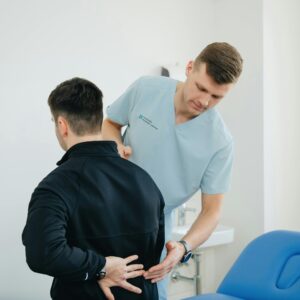
Your custom bracing journey begins with a comprehensive assessment. During this appointment, your physiotherapist or brace fitter will discuss your medical history, current symptoms, and treatment objectives. They will examine the affected area, assess your movement patterns, and determine whether custom bracing is appropriate for your condition.
What Happens During Assessment
- Review of your injury history, surgical reports, or physician referrals
- Physical examination of the affected joint or limb
- Evaluation of your current range of motion and strength
- Discussion of your daily activities, work demands, and sports participation
- Assessment of any previous bracing attempts and their outcomes
This information helps determine the type of brace you need and the specific features that will benefit you most. For example, an athlete recovering from knee surgery requires different support than someone managing osteoarthritis.
Step 2: Choosing the Right Brace Type
Modern bracing technology offers numerous options for different conditions and activity levels. Your practitioner will explain available choices and recommend designs that match your needs.
Common Custom Brace Types
- Knee braces: For ligament injuries, meniscus tears, osteoarthritis, and post-surgical recovery. Options include hinged, unloader, and prophylactic designs.
- Ankle braces: For chronic instability, post-fracture support, and sports protection. Custom options provide better shoe compatibility than standard designs.
- Back braces: For spinal conditions, post-surgical support, and chronic back pain management. Custom spinal orthoses distribute pressure optimally.
- Wrist and hand braces: For carpal tunnel syndrome, tendonitis, fracture recovery, and arthritis. Custom fabrication ensures precise joint positioning.
- Elbow braces: For tennis elbow, golfer’s elbow, and post-surgical recovery. Counterforce and stabilization designs address different conditions.
- Shoulder braces: For rotator cuff injuries, dislocation recovery, and instability. Custom shoulder orthoses control complex joint movements.
Your practitioner will explain the pros and cons of different materials, closure systems, and adjustment mechanisms. This collaborative decision-making ensures you receive a brace that matches both your clinical needs and personal preferences.
Step 3: Precision Measurement and Molding
Accurate measurement is the foundation of effective custom bracing. This step ensures your device fits precisely, providing optimal support without causing discomfort or skin irritation.
Measurement Techniques
Depending on the brace type and your specific needs, your fitter may use one or more measurement methods:
- Manual measurement: Using flexible tape measures to record circumferences, lengths, and angles at multiple points around the affected area
- 3D scanning: Advanced digital scanners capture precise surface geometry, creating detailed models of your limb or joint
- Plaster casting: Traditional method using quick-setting plaster to create exact molds, particularly useful for complex shapes or when maximum precision is required
- Foam impression: Using specialized foam boxes that capture shape when you press the affected area into the material
The measurement process typically takes 20-45 minutes depending on complexity. Your fitter will position you in specific postures to ensure the brace will function correctly during your daily activities.
Step 4: Brace Fabrication
After measurements are complete, your custom brace moves into fabrication. This process transforms raw materials into a device shaped specifically for your body.
What Happens During Fabrication
Custom braces are manufactured using medical-grade materials selected for their strength, flexibility, and biocompatibility. Common materials include:
- Thermoplastic polymers: Lightweight, moldable materials that can be adjusted slightly after initial fitting
- Carbon fiber composites: Extremely strong and lightweight, ideal for high-performance applications
- Aluminum and titanium: Used for structural components requiring exceptional strength
- Memory foam and silicone padding: Pressure-distributing materials that enhance comfort during extended wear
- Breathable fabrics: Moisture-wicking liners that improve hygiene and comfort
Fabrication typically takes 1-3 weeks depending on complexity and manufacturer. During this time, your practitioner may recommend temporary bracing or massage therapy to manage symptoms while you wait.
Step 5: Fitting and Initial Adjustment
When your custom brace arrives, you return for a fitting appointment. This crucial step ensures the device functions as intended and feels comfortable enough for regular use.
The Fitting Process
- Your fitter positions the brace and secures all straps and closures
- They check contact points for pressure areas or gaps
- You perform basic movements to test brace function
- Your fitter observes how the brace moves with your body
- Initial adjustments are made to straps, hinges, or padding
- You receive instruction on donning, doffing, and adjusting the brace
This appointment usually lasts 30-60 minutes. Bring the shoes you typically wear and clothing that allows easy access to the affected area. If you use custom orthotics, bring those as well since they affect lower limb alignment.
Step 6: Movement Testing and Functional Assessment
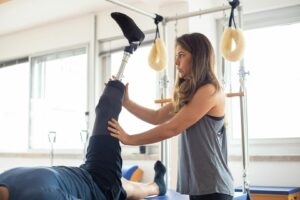
After initial fitting, your physiotherapist conducts functional testing to ensure the brace supports your movement goals. This step bridges the gap between passive fitting and active recovery.
What Functional Testing Includes
- Walking gait analysis to assess how the brace affects your stride
- Stair climbing and descending to test stability during challenging movements
- Balance assessment on stable and unstable surfaces
- Sport-specific movements if you are returning to athletic activities
- Range of motion testing with and without the brace
Your physiotherapist may identify additional adjustments needed or recommend complementary treatments. Active rehabilitation exercises often accompany bracing to build strength that eventually reduces reliance on external support.
Step 7: Education and Home Care Instructions
Proper brace use extends beyond wearing the device. Understanding care, maintenance, and warning signs ensures your brace remains effective and comfortable throughout its lifespan.
What You Will Learn
- How to put on and remove your brace correctly
- Daily wear schedule and gradual break-in period
- Skin care to prevent irritation and pressure sores
- Cleaning instructions for the brace and liners
- When to tighten or loosen adjustments
- Signs that indicate you need a follow-up appointment
- Activity modifications during brace wear
Most custom braces require a break-in period of 1-2 weeks. During this time, you gradually increase wear time while monitoring skin condition and comfort. Your fitter provides a specific schedule based on your brace type and skin sensitivity.
Step 8: Follow-Up Appointments
Custom bracing requires ongoing monitoring to ensure continued effectiveness. Your follow-up schedule depends on your condition and how quickly you adapt to the brace.
Typical Follow-Up Timeline
- 1-2 weeks post-fitting: Check skin condition, assess comfort, make minor adjustments
- 1 month: Evaluate function during daily activities, address any concerns
- 3 months: Comprehensive assessment of brace fit, function, and wear patterns
- Ongoing: Regular check-ups every 3-6 months for long-term bracing, or as your condition changes
Children and adolescents require more frequent follow-ups due to growth. Adults with progressive conditions also need regular assessment to ensure the brace continues meeting their needs.
Understanding Brace Wear and Care
Daily Wear Guidelines
Your practitioner will specify when to wear your brace. Some conditions require full-time wear, while others need support only during specific activities. Following these guidelines ensures optimal outcomes:
- Wear the brace as prescribed, even when symptoms improve
- Remove for bathing unless specifically designed for water exposure
- Check skin after each wear period, especially early in treatment
- Report any rubbing, pressure points, or skin changes promptly
- Maintain consistent wear to allow your body to adapt
Cleaning and Maintenance
Proper maintenance extends brace lifespan and prevents skin issues:
- Wipe plastic or metal components with mild soap and water daily
- Wash fabric liners according to manufacturer instructions
- Allow all components to dry completely before reassembling
- Inspect hinges, straps, and closures weekly for wear
- Store in a cool, dry place away from direct sunlight
When to Contact Your Brace Provider
Certain situations require prompt professional attention:
- Skin breakdown, blisters, or persistent redness
- Significant changes in pain levels while wearing the brace
- Mechanical failures such as broken hinges or torn straps
- Changes in body weight that affect brace fit
- New symptoms in areas not previously affected
- Brace slipping or migrating from proper position
At Tonic Physio, we prioritize patient support throughout your bracing journey. Contact us immediately if you experience any concerns between scheduled appointments.
Combining Bracing with Physiotherapy
Custom braces work most effectively as part of comprehensive rehabilitation. At Tonic Physio, we integrate bracing with:
- Physiotherapy to address underlying weakness and movement dysfunction
- Massage therapy to reduce muscle tension around supported joints
- Shockwave therapy for stubborn soft tissue conditions
- Manual osteopathy for whole-body alignment and function
- Exercise programming to build strength that may eventually reduce bracing needs
This integrated approach ensures your brace supports recovery while underlying issues are actively addressed through appropriate therapy.
Cost and Insurance Coverage
Custom bracing represents an investment in your health and mobility. Costs vary based on complexity, materials, and customization level. At Tonic Physio, we provide detailed quotes before fabrication begins.
Many extended health insurance plans cover custom bracing when prescribed by a physician or physiotherapist. We assist with insurance documentation and can direct bill participating insurers. Workers compensation and motor vehicle accident insurance may also cover bracing when related to workplace or accident injuries.
Custom bracing technology continues to advance, with new materials and designs improving comfort and function. Modern braces are lighter, stronger, and more discreet than previous generations. Some incorporate smart technology that monitors wear patterns, activity levels, and compliance, providing valuable data for practitioners and patients.
At Tonic Physio, we stay current with these developments to offer our patients the best available options. Whether you need a simple support brace or a sophisticated orthotic device, our team has the expertise to guide your selection and ensure optimal outcomes.
Frequently Asked Questions About Custom Bracing
How long does a custom brace last?
With proper care, custom braces typically last 2-5 years. Lifespan depends on materials, wear frequency, and activity level. Regular maintenance and timely repairs extend durability.
Will I need to wear the brace forever?
Not necessarily. Many patients use braces temporarily during recovery or rehabilitation. Some chronic conditions may require long-term use, but your practitioner regularly assesses whether continued bracing is necessary.
Can I exercise or play sports while wearing a brace?
Many custom braces are designed specifically for athletic activities. Your practitioner will specify activity guidelines based on your brace type and condition. Sport-specific braces provide protection while allowing necessary movement.
How tight should my brace feel?
Your brace should feel snug but not painful. You should be able to fit one finger between the brace and your skin at most contact points. Any numbness, tingling, or color changes indicate excessive tightness requiring adjustment.
What if my brace causes skin irritation?
Minor redness initially is normal during the break-in period. Persistent irritation, blistering, or skin breakdown requires professional attention. Your fitter can adjust padding, modify contact areas, or recommend barrier products.
Can I travel with my custom brace?
Yes, custom braces travel well. Bring your brace to the airport as carry-on if possible. Inform security staff that you wear a medical device. Consider bringing adjustment tools and spare padding for extended trips.
Conclusion: Taking the Next Step
Custom bracing offers precise, personalized support that standard braces cannot match. Understanding the fitting process helps you prepare mentally and physically, ensuring you get maximum benefit from your device.
At Tonic Physio in Milton, our brace fitting process combines technical expertise with compassionate care. From initial assessment through follow-up adjustments, we are committed to your comfort and recovery.
If you are considering custom bracing for injury recovery, surgical rehabilitation, or chronic condition management, contact Tonic Physio today to schedule your assessment. Our experienced team will guide you through every step, ensuring you receive a brace that truly supports your path to better movement and reduced pain.