Osteopathy is hands-on care that uses gentle movement, stretching and pressure to ease pain and improve how the body moves. The most common conditions treated by osteopaths include back and neck pain, joint stiffness, headaches, posture strain, sports injuries, jaw pain, sciatica and pregnancy aches. Here is how each is treated.
Key Takeaway: Osteopaths mainly help with muscle and joint problems such as back pain, neck pain, stiffness and tension headaches. Treatment uses hands-on techniques plus advice on movement and posture. Research results vary between conditions, so osteopathy works best as one part of a plan that includes exercise and healthy daily habits.
What Is Osteopathy?
Osteopathy is a manual therapy that looks at how the bones, joints, muscles and connective tissue work together. An osteopath uses their hands to assess and treat areas that feel tight, restricted or painful.
The Whole-Body View
Osteopaths look beyond the sore spot. A stiff upper back may change how the neck moves, and an old ankle injury may alter how you walk and load your hip. By checking the areas above and below the pain, the osteopath looks for patterns that may keep the problem going.
Common Osteopathic Techniques
Treatment is usually gentle and adapted to your comfort. Common techniques include:
- Soft tissue work, similar to massage, to ease tight muscles
- Joint articulation, where a joint is moved slowly through its range
- Muscle energy techniques, where you push gently against the osteopath’s hand
- Myofascial release, using slow, sustained pressure on connective tissue
- Cranial or very light techniques for people who prefer a softer approach
Some osteopaths also use quick, small thrust movements on a joint. These are only used if they suit you and you agree to them.
How Does Osteopathy Compare With Other Care?
Many people wonder how osteopathy differs from physiotherapy, chiropractic or massage. There is overlap, and each has its own focus.
A Quick Comparison
| Therapy | Main focus | Typical session |
|---|---|---|
| — | — | — |
| Osteopathy | Whole-body movement and joint mobility | Gentle hands-on work plus advice |
| Physiotherapy | Movement, strength and function | Assessment, exercise and hands-on care |
| Massage therapy | Muscles and soft tissue | Hands-on soft tissue treatment |
Our article on manual osteopathy vs physiotherapy looks at the differences in more detail. Many people use more than one approach at different stages of recovery.
Which Conditions Do Osteopaths Treat Most Often?
The first three conditions below are the most common reasons people see an osteopath. Each involves the spine or large joints, where hands-on care and movement advice are often combined.
1. Back and Neck Pain
Low back pain is the most common reason people book. It often comes from strained muscles, stiff joints or long periods of sitting. Osteopaths use soft tissue work and gentle joint movement to ease stiffness, then suggest exercises and posture changes to support recovery.
The UK guideline on low back pain from NICE suggests manual therapy, such as mobilisation and soft tissue work, as one option alongside exercise. That fits the way most osteopaths combine hands-on care with movement. Our post on physiotherapy for lower back pain explains the exercise side.
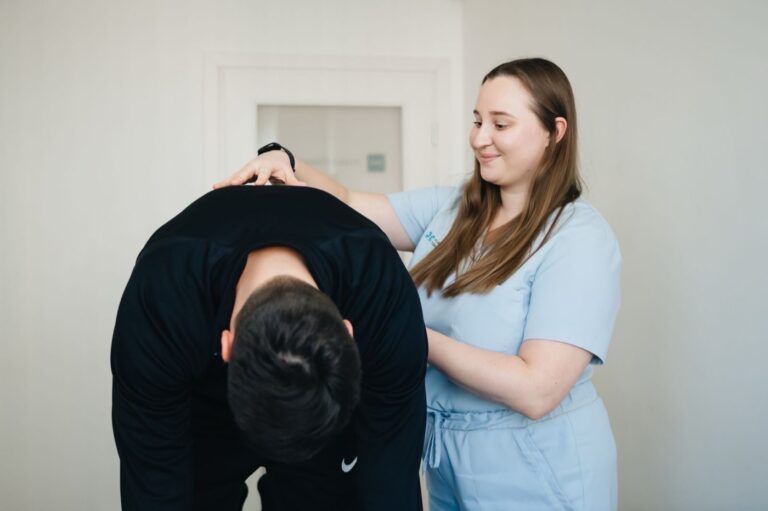
Neck pain often links to desk work, screen use, poor sleep positions or stress. Tight muscles at the base of the skull and across the shoulders can limit how far you turn your head. Gentle mobilisation of the neck and upper back, plus stretching, may help restore comfortable movement.
2. Joint and Muscle Stiffness
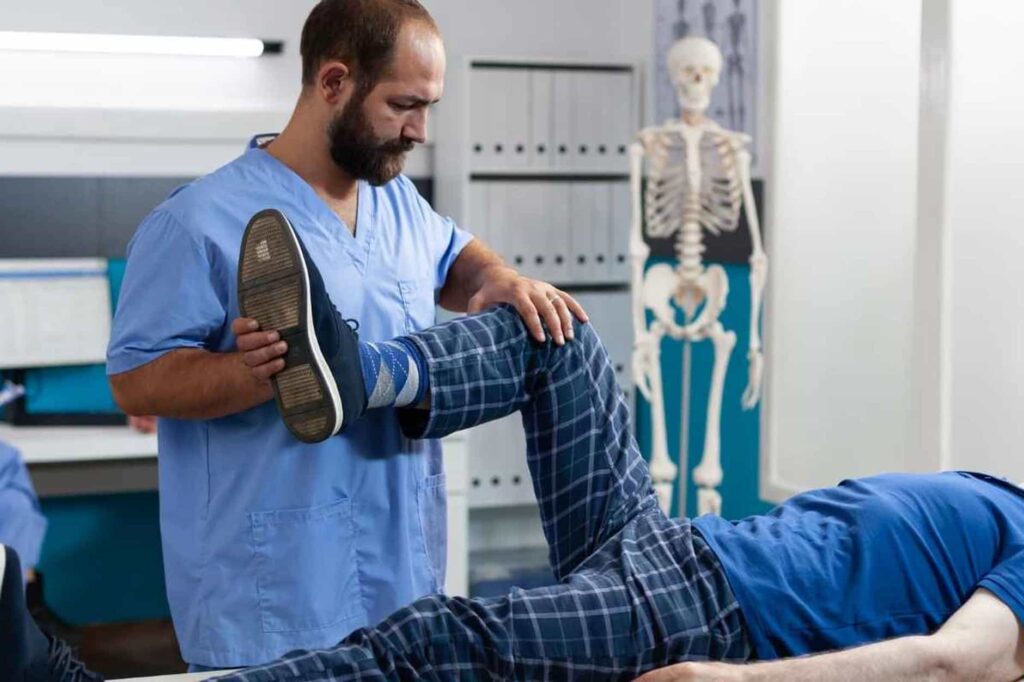
Stiff hips, shoulders and knees can make everyday tasks harder, from bending to tie your shoes to reaching a high shelf. Osteopaths move the joint slowly through its range and work on the surrounding muscles. This may help joints feel looser, especially in people with mild arthritis or after a period of inactivity.
Stiffness is often worse first thing in the morning or after sitting still. Your osteopath may show you simple range of motion exercises to do at these times. Keeping the joint moving gently each day helps the gains from treatment last longer.
3. Headaches
Tension headaches often feel like a tight band around the head. They are linked to tension in the neck and shoulders. Easing tight muscles in the upper back, neck and base of the skull may reduce how often or how strongly they come on.
Migraines are a different condition with their own triggers and medical treatments. Some people find that hands-on care for neck tension helps as part of a wider plan from their doctor. Keeping a headache diary can help you and your care team spot patterns.
Which Other Conditions Can Osteopathy Help?
Beyond the spine, osteopaths also see people with posture strain, sports injuries and jaw problems. These often involve several areas of the body working together.
4. Posture Strain
Long hours at a desk or looking down at a phone can leave some muscles tight and others weak. Osteopaths look at your posture and how you move, then treat tight areas and suggest small changes. Simple adjustments to your workstation and regular movement breaks are often part of the plan.
No single posture is perfect for everyone. The aim is to change position often and build enough strength to stay comfortable through the day. Gentle strength work for the upper back and core is often added once pain settles.
5. Sports Injuries
Sprains, strains and overuse injuries are common in runners, hockey players and weekend athletes. Osteopaths treat the injured area and check how the rest of the body moves, since stiffness elsewhere can add strain. For example, a stiff ankle may change how you land and put more load through the knee.
Treatment usually sits alongside a gradual return to training and strength work. Ongoing elbow pain from racquet sports is one example; our guide to tennis elbow treatment options shows how hands-on care and loading exercises fit together.
6. Jaw (TMJ) Pain
Pain, clicking or tightness in the jaw joint can come from clenching, grinding or tension in the neck and face muscles. Gentle work on the jaw, neck and upper back may help the joint move more easily. You can read more in our article on TMJ treatment for jaw pain relief.
How Do Osteopaths Help With Nerve and Pregnancy Pain?
The last two conditions show how osteopathy can be adapted for very different needs, from nerve pain to the changes of pregnancy.
7. Sciatica and Nerve Pain
Sciatica is pain that travels from the lower back or buttock down the leg, often from an irritated nerve. It may come with tingling or numbness. Osteopaths use gentle techniques to ease tight muscles and stiff joints around the lower back and pelvis, and they suggest positions that reduce nerve irritation.
Most sciatica improves over weeks to months. People often do best with a mix of hands-on care, staying active and gradual exercise. Any new leg weakness should be checked by a doctor straight away.
8. Pregnancy-Related Pain
During pregnancy the body changes quickly, and back, pelvic and hip pain are common. Osteopaths use gentle, supported positions and avoid techniques that are not suitable in pregnancy. Treatment aims to ease strain on the lower back and pelvis and help you stay active and comfortable.
Your osteopath will ask about your pregnancy, your due date and any concerns from your care team. They work alongside the advice of your doctor or midwife.
What the Research Shows
Studies on osteopathy are growing, and results vary from one condition to another. A 2025 overview of systematic reviews looked at both the effects and the safety of osteopathic techniques across many conditions. Support is strongest for low back pain, which is one reason osteopaths combine hands-on care with exercise and advice.
Who Can Benefit From Osteopathy?
Osteopathy can be adapted for a wide range of ages and activity levels. The osteopath changes the pressure, positions and techniques to suit each person.
Desk Workers, Parents and Active Adults
People who sit for long hours often have stiff upper backs, tight hips and neck tension. New parents may feel strain from feeding, lifting and carrying. Active adults and athletes may want help with tight muscles, recurring niggles or recovery after hard training blocks.
Older Adults
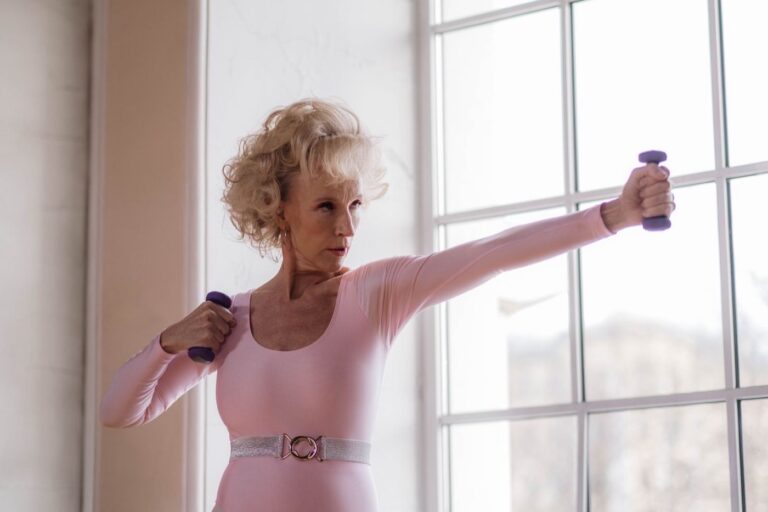
Joint stiffness and reduced flexibility become more common with age. Gentle osteopathic techniques can be used for older adults, with slower, softer movements and extra care around fragile bones or other health conditions. The goal is often to keep moving comfortably and stay independent with daily tasks.
People Who Prefer a Gentle Approach
Some people feel nervous about hands-on care or dislike quick joint movements. Osteopaths can use slow, light techniques only, and you can say at any time what feels right. Clear talk between you and the osteopath is part of good care.
What Happens at an Osteopathy Appointment?
A first visit usually lasts longer than follow-up visits, because the osteopath needs time to understand your health and your goals.
Assessment
The osteopath will ask about your symptoms, past injuries, health conditions and daily routine. They will watch how you stand, bend and move, then gently feel the muscles and joints in the area of pain and nearby. This helps them decide whether osteopathy suits you or whether another type of care would be better.
Treatment
Treatment uses the techniques that fit your condition and comfort level. You stay in control and can ask for lighter pressure or a change of position. Some people feel looser straight after a session, while others notice changes over the next day or two.
Advice to Take Home
Most sessions end with simple advice, such as stretches, posture tips or ways to change a task that triggers pain. Doing these between visits often makes a real difference. Mild soreness for a day after treatment is common and usually settles quickly.
If you have questions about your plan, ask before you leave. Knowing what to do at home and what to watch for helps you feel confident between visits.
How Can You Support Your Recovery Between Visits?
What you do at home can help the effects of treatment last. Small, steady habits often matter more than big changes.
Keep Moving
Gentle movement, such as walking, helps muscles and joints stay supple. Long periods of rest can make stiffness worse for many muscle and joint problems. Build up activity slowly, and stop any movement that causes sharp pain.
Set Up Your Day
- Take a short movement break every 30 to 45 minutes if you sit for work.
- Keep your screen at eye level and your feet flat on the floor.
- Use a pillow that keeps your neck in line with your spine when you sleep.
- Lift with your legs and keep loads close to your body.
Look After Stress and Sleep
Stress can tighten muscles in the neck, jaw and shoulders. Regular sleep, time outdoors and relaxed breathing can all help. Small, steady habits like these often help more than one big change.
When Should You See a Doctor First?
Osteopathy is suited to muscle and joint problems, but some symptoms need medical checks before any hands-on treatment.
Warning Signs That Need Urgent Care
Go to emergency or call your doctor right away if you have:
- Numbness around the groin or buttocks, or new trouble controlling your bladder or bowels
- Weakness in the legs that is getting worse
- Back pain after a serious fall or accident
- Back or neck pain with fever, weight loss you cannot explain or a history of cancer
- A sudden, severe headache unlike any you have had before
- Chest pain or pain that spreads to the arm or jaw
The NHS page on back pain lists more signs that need urgent medical help.
When to Book a Regular Doctor Visit
See a doctor if pain keeps getting worse, wakes you every night or does not improve after several weeks of care. Your doctor can arrange tests if needed. Many people then return to osteopathy or physiotherapy once serious causes are ruled out.
Starting Osteopathic Care
If one of these conditions sounds familiar, an assessment is a good first step. The osteopath can tell you whether hands-on care suits your problem and how it might fit with other treatment.
Booking Your Visit
Learn more about our manual osteopathy service and the conditions it covers. When you are ready, you can book an osteopathy appointment online.