Custom knee braces are rigid supports built from measurements, a cast or a scan of your own leg, designed to control unwanted knee movement during sport. For hockey players and skiers, custom knee braces are most often used after a ligament injury or reconstruction, or to ease load on a knee with arthritis.
Not every knee needs one. This article explains who tends to benefit, how custom braces compare with off-the-shelf options, how the fitting works and what a brace can and cannot do.
Key Takeaway: A custom knee brace may help protect a knee with a ligament injury, a recent reconstruction or one-sided arthritis, especially in pivoting sports like hockey and skiing. Its main advantage over an off-the-shelf brace is fit: it stays in place under load. A brace supports rehab and strength work but does not replace them.
What Do Custom Knee Braces Actually Do?
A custom knee brace is a frame, usually made of carbon fibre or aluminium, with hinges at the knee and straps that hold it to the thigh and shin. It is built to limit specific movements that a damaged or recovering knee does not control well.
The Three Main Jobs
- Ligament support: a hinged frame that limits excess forward, sideways or twisting movement after an ACL, MCL or PCL injury
- Unloading: an osteoarthritis brace that shifts some load away from the worn side of the knee
- Rotational control: a stiff shell that resists the twisting forces common in skating, pivoting and ski falls
Most braces used in hockey and skiing are called functional braces. They are designed for return to activity, not for the first weeks after an injury or surgery.
What a Brace Cannot Do
A brace cannot repair a torn ligament, rebuild lost strength or make a knee injury-proof. It adds outside support while your muscles, balance and movement control do the main work. Thinking of the brace as equipment, and rehab as the real project, keeps expectations realistic.
Custom vs Off-the-Shelf Knee Braces: What Is the Difference?
Both custom and off-the-shelf braces have a place. The right choice depends on your injury, your sport and how well a standard size fits your leg. The table sets out the main differences.
| Feature | Custom brace | Off-the-shelf brace |
|---|---|---|
| How it is made | From measurements, a cast or a scan of your leg | Standard sizes, adjusted with straps |
| Fit under load | Matches your leg shape, so it tends to stay in place | May slide down during long or hard sessions |
| Materials | Rigid frame and sport-rated hinges | Ranges from soft sleeves to hinged frames |
| Best suited to | Ligament injuries, reconstruction, one-sided arthritis in active people | Mild instability, short-term support, general aches |
| Lead time | Usually one to two weeks to build | Often available the same day |
| Adjustments | Hinges can be set to your knee’s limits | Limited adjustment options |
For a broader look at when each type makes sense, our guide on when you need custom bracing vs over-the-counter covers other joints too.
Why Fit Matters So Much
A brace only helps if it stays where it was placed. A brace that slips down the shin no longer lines its hinges up with your knee, so it controls very little. A custom shell follows the shape of your thigh and calf, which helps it hold position through a hockey shift or a full ski day.
When Off-the-Shelf Is Enough
Many people with mild knee pain do well with a good sleeve or a standard hinged brace. Off-the-shelf options also suit people whose leg shape fits standard sizes well. An honest assessment will say so when a custom brace is not needed.
Who Needs a Knee Brace for Hockey?
Hockey loads the knee in specific ways. Skating strides, sharp turns and body contact all put twisting and sideways forces through the joint.
The Demands of Hockey
- Rotation: the skate holds the foot firmly while the body turns, which twists the knee
- Side contact: hits from the side stress the inside of the knee and the MCL
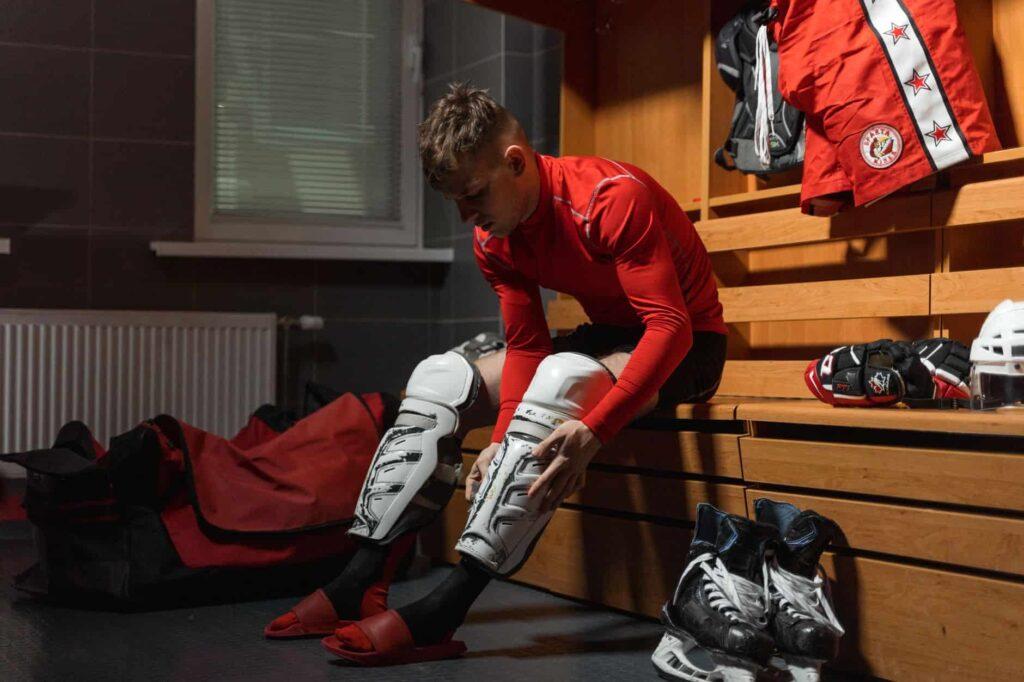
- Equipment fit: the brace has to sit inside hockey socks and pads without pressure points
Hockey Players Who Often Brace
- Players returning to contact after an ACL injury or reconstruction, often for at least the first seasons back
- Players with an MCL that healed but still feels loose under contact
- Players with a past knee injury on the same side who feel unsure in contact
For players with no history of knee injury, a custom brace is not usually needed for prevention alone. Strength and movement training are a better first step.
Goalies are a special case. The butterfly position loads the hips and knees in deep bent positions, so a goalie’s brace needs a slim profile and a hinge range that allows full kneeling. Tell your fitter which position you play.
Who Needs a Knee Brace for Skiing?
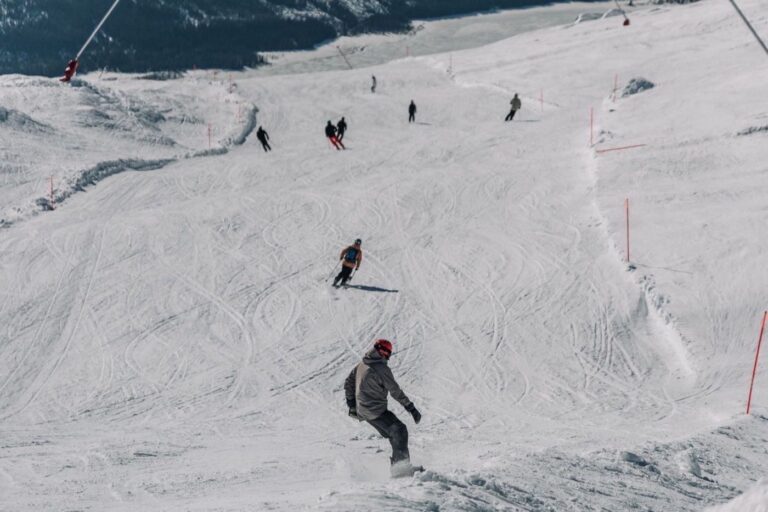
Skiing puts large twisting forces on the knee, especially during falls where the ski does not release. The ski boot holds the lower leg firmly, so the knee takes much of the strain.
Skiers Who Often Brace
- Skiers returning after an ACL reconstruction, particularly in the first season back
- Skiers with knee osteoarthritis on one side, who may use an unloading brace to stay active
- Skiers with a ligament injury that is being managed without surgery
Boot and Brace Fit
Ski boots leave little room for bulk around the upper shin. A brace for skiing needs to clear the top of the boot without pinching. Bring your ski boots to the fitting so the fitter can check how the brace and boot sit together.
Cold weather also matters. Some liners and straps feel stiffer in the cold, so test the brace on a short run first and adjust strap tension once you have warmed up.
How Does a Custom Knee Brace Fitting Work?
A custom brace usually takes two visits: one to assess and measure, and one to fit. A follow-up a few weeks later catches any issues that only show up with real use.
Assessment and Measurement
The first visit looks at your knee’s history, your current findings, your sport and the job the brace needs to do. If a brace is right for you, the fitter takes measurements of your leg, often with a cast or scan. You and the fitter then choose a model and options that suit your sport.
Fitting and Follow-Up
At the fitting visit, the brace is adjusted to your leg, the hinge settings are set and you learn how to put it on and take it off. You also get guidance on wear time and what to wear under it. A follow-up visit two to three weeks later checks for pressure points and slipping.
A custom brace is fitted, not just handed over. Our custom and off-the-shelf bracing service covers assessment, measurement, fitting and follow-up.
How Do You Get Used to Wearing a Brace?
A new brace takes some getting used to. A short break-in period makes it far more comfortable on game day or the first ski run.
Breaking It In
- Wear the brace for short periods at home before using it in sport
- Use it at practice or an easy ski day before a game or a hard run
- Check your skin after each use for red marks that do not fade
Hinge Settings and Daily Checks
Hinges can be locked, limited to a set range or left free, depending on your knee’s stage and your clinician’s plan. Do not change the settings yourself. Check each week that the brace still sits in the right place. If it slides, the fit needs adjusting.
What About Unloading Braces for Knee Osteoarthritis?
Custom bracing is not only for ligament injuries. Unloading braces are a separate group designed for knee osteoarthritis that mainly affects one side of the joint, usually the inner side.
How Unloading Braces Work
An unloading brace applies gentle pressure to shift some load away from the worn part of the knee toward the healthier side. A systematic review of unloader braces found evidence that they reduce the turning force on the inner knee, though their effect on pain needs more research.
Who May Benefit
Unloading braces may help active people with one-sided knee arthritis who want to keep skiing, skating or walking for longer. NICE guidance on osteoarthritis places exercise at the centre of care, so a brace works best alongside a strength program rather than in place of one.
Should You Wear a Brace After ACL Surgery?
The ACL is the ligament most often linked with functional bracing. The role of a brace changes through each stage of recovery.
Before and Soon After Surgery
Some athletes with an ACL-deficient knee use a functional brace to reduce giving-way episodes while they decide on treatment. After surgery, any early brace is set by your surgeon’s protocol. A systematic review of ACL rehabilitation found that routine bracing after reconstruction was not shown to be necessary or beneficial for recovery.
Returning to Sport
Many athletes still choose a functional brace when they return to hockey or skiing, often for comfort and confidence. The decision should be made with your surgeon and physiotherapist. Our article on a knee brace after an ACL or meniscus injury covers the stages in more detail.
A brace does not replace a return-to-sport plan. Strength, hopping and agility tests are what show whether the knee is ready. See our guide to return to sport testing criteria.
How Do Rehab and Bracing Work Together?
A brace gives support from the outside. Strength and movement training build support from the inside. Athletes who return most safely usually do both.
What the Rehab Side Covers
- Strength: the quadriceps, hamstrings and hip muscles that steady the knee
- Landing and cutting: practising movement patterns that reduce strain on the ligaments
- Balance: rebuilding the joint position sense that an injury can reduce
Does a Brace Make Your Knee Weak?
A brace does not weaken your knee on its own. Weakness tends to show up when someone wears a brace and stops their exercise program. Keep your rehab going, and the brace adds support without taking over the work your muscles should do.
How Do You Care for a Knee Brace?
A well-kept brace lasts longer and stays comfortable. Many athletes use the same frame for several seasons with regular checks.
Routine Care
- Straps: check for wear and replace them when they stretch or fray
- Liners and pads: wash them as instructed to protect your skin
- Hinges: have them checked each year so the motion limits stay accurate
When to Get It Refitted
Book a fit review after weight change, surgery or, for young athletes, a growth spurt. A custom brace that no longer fits should be adjusted or refitted rather than worn as it is.
Do Young Athletes Need Knee Braces?
Parents often ask about braces for growing athletes. The answer is usually more conservative than they expect.
Prevention in Healthy Knees
Young athletes with healthy ligaments do not usually need a custom brace for prevention. A good warm-up and strength program are more useful.
After an Injury
Young athletes returning from a knee injury follow the same return-to-sport logic as adults. Their brace needs refitting as they grow, so regular checks matter.
When Should You See a Doctor or Go to Emergency?
A brace is not the right first step for a new, serious knee injury. Some signs need a medical check before any bracing decision.
Signs to See a Doctor
See a doctor if your knee swells quickly after an injury, gives way repeatedly, locks or catches, or if you heard a pop at the time of the injury. These signs may point to a ligament or cartilage tear that needs medical assessment and possibly imaging.
Signs to Go to Emergency
Go to emergency if you cannot put any weight on the leg, the knee looks deformed, or your foot becomes cold, pale or numb. Seek urgent care for a hot, red, swollen knee with fever, as this can be a sign of infection.
Book a Bracing Assessment
If your knee has a history and your season is coming up, an assessment can tell you whether a brace will help and which type suits your sport. You can book online with Tonic Physio at a time that suits you.