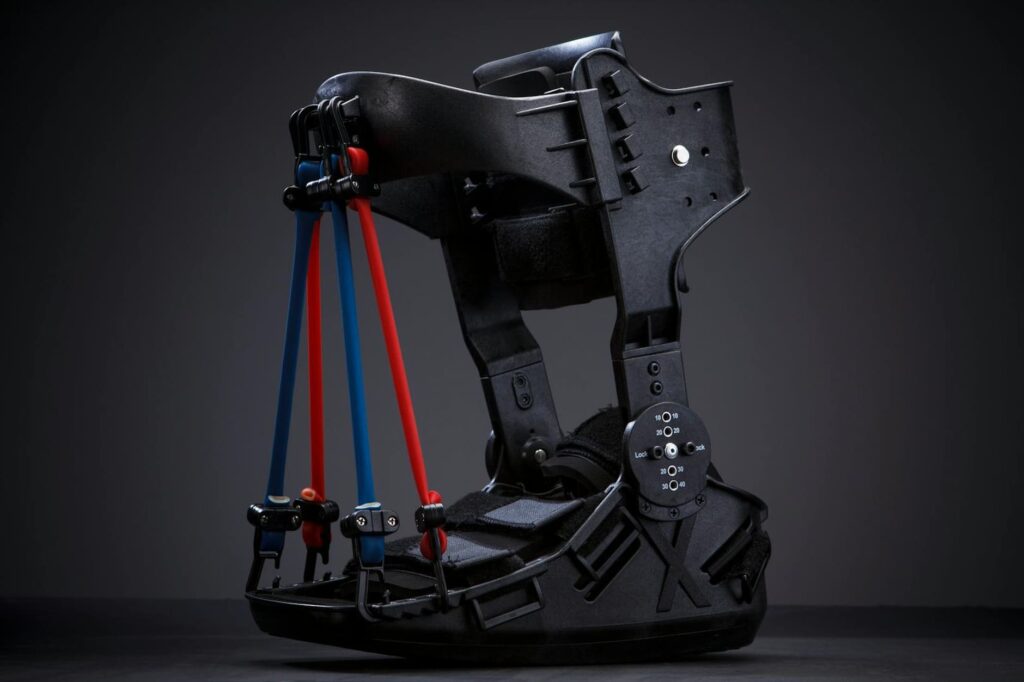
You may be recovering from an injury or managing a chronic condition. The right brace can greatly affect your comfort and healing progress. Patients often wonder if custom bracing is worth the extra cost. They compare it with over-the-counter options that are easy to find in Milton.
At Tonic Physio in Milton, we help patients make this choice every day. This guide looks at both options across several factors. It helps you make an informed choice that supports your healing and fits your budget.
Understanding Over-the-Counter Bracing
Over-the-counter braces are mass-produced devices. You can buy them without a prescription at pharmacies, sporting goods stores, and online stores. They come in standard sizes based on general measurements. They are designed to fit average body proportions.
Our article on when you need a custom brace goes into more detail.
Types of OTC Braces
The OTC market offers many options for different needs:
- Elastic compression sleeves: Basic support for mild swelling and warmth, often used for knees, elbows, and wrists
- Wrap-style braces: Adjustable with Velcro closures. They give custom compression for ankles, wrists, and knees
- Hinged braces: Pre-made with metal or plastic side supports for moderate knee or elbow instability
- Immobilization braces: Rigid or semi-rigid designs for temporary protection after minor injuries
- Posture supports: Braces that encourage good spinal alignment when sitting or standing
Advantages of OTC Bracing
- Immediate availability: Buy and start using the same day, with no appointments or waiting periods
- Lower cost: Prices usually range from $15 to $150, depending on complexity. They fit most budgets
- No prescription required: Convenient for minor injuries or preventive use during activities
- Variety of options: Many brands, styles, and features to compare
- Good for temporary needs: Right for short-term use during minor sprains. Also right while you wait for professional assessment
Limitations of OTC Bracing
- Generic sizing: S, M, L sizes may not suit unique body proportions. This leads to poor fit
- Limited adjustability: Fewer ways to fine-tune fit as swelling changes or muscles atrophy
- Less precise support: Cannot target specific anatomical needs or mechanical problems
- Durability concerns: Lower-quality materials may stretch, tear, or lose effectiveness over time
- Potential for incorrect use: Without professional guidance, patients may choose the wrong brace or wear it incorrectly
Understanding Custom Bracing
Custom braces are made for each patient. They are based on precise measurements, medical needs, and functional goals. The fabrication process gives an exact fit, the best support, and targeted help for specific conditions.
The Custom Fabrication Process
Custom bracing involves several precise steps:
- Clinical assessment: Your provider evaluates your condition, movement patterns, and specific needs
- Detailed measurement: Many circumference, length, and angle measurements capture your exact proportions
- Impression or scanning: Plaster casting, foam impressions, or 3D digital scanning make precise models
- Fabrication: Medical-grade materials are shaped to your specifications and clinical needs
- Fitting and adjustment: The first fitting checks comfort, function, and proper mechanical support
At Tonic Physio, our custom bracing process makes sure you get a device that truly matches your needs.
Advantages of Custom Bracing
- Precise fit: Matches your exact body size. This removes gaps, pressure points, and slipping
- Condition-specific design: Fits your diagnosis, whether ligament instability, osteoarthritis, or post-surgical healing
- Optimal biomechanics: Controls joint movement precisely. It gives the support you need without limiting healthy motion
- Superior materials: Medical-grade parts last longer, weigh less, and feel better
- Long-term cost effectiveness: A higher first cost often pays off over years of reliable use
- Professional oversight: Ongoing support keeps the brace meeting your needs as your condition changes
Limitations of Custom Bracing
- Higher initial cost: Custom fabrication needs skilled labor and special materials. This raises the upfront cost
- Production time: Usually takes 1-3 weeks for fabrication after measurement
- Requires appointments: You need several visits for assessment, fitting, and follow-up adjustments
- Insurance considerations: Coverage varies. Pre-authorization may be required
Comparing Key Factors
Fit and Comfort
Fit quality greatly affects both comfort and treatment results. A brace that fits poorly causes skin irritation. It reduces compliance. It may also fail to give enough support.
OTC braces suit standard body types fairly well. But they often leave gaps or create pressure points for people outside average proportions. Standard sizing often fits poorly for some people. This includes athletes with large muscle mass, people with obesity, and those with unusual limb shapes.
Custom braces remove fit concerns entirely. Precise measurement gives even pressure, proper joint alignment, and room for unique anatomical features. This better comfort encourages consistent wear. Consistent wear is essential for therapeutic benefit.
Support and Function
The mechanical support that braces give differs a lot between OTC and custom options.
OTC braces offer general support for mild conditions or preventive use. They steady joints against common movement patterns. But they cannot address specific mechanical problems. A standard knee brace, for example, gives generic compression and limited medial-lateral stability. It cannot unload specific knee compartments or handle complex ligament deficiencies.
Custom braces deliver precisely tuned support based on your diagnosis. An unloader knee brace for osteoarthritis can shift weight away from damaged cartilage compartments. A custom ankle brace can limit only the specific planes of motion where instability occurs. It allows normal movement elsewhere.
Durability and Lifespan
Material quality directly affects how long braces stay effective.
OTC braces usually use lower-grade materials that may stretch, tear, or break with regular use. Elastic parts lose recoil over time. Velcro closures weaken with repeated opening and closing. Most OTC braces need replacing every 6-12 months with regular use.
Custom braces use medical-grade materials chosen for durability and performance. Carbon fiber, aircraft aluminum, and high-performance polymers withstand years of regular use. Custom braces usually last 2-5 years. This depends on use and care. The first cost is higher. But the longer life often makes custom bracing more economical over time.
Cost Comparison
Knowing the true costs helps you judge value beyond the first price tag.
OTC braces range from $15 for basic sleeves to $150 for hinged designs. They are affordable at first. But replacement costs add up. A patient using an OTC knee brace for three years might buy 3-4 units. That means spending $150-500 in total, plus the cost of dealing with inconsistent support.
Custom braces usually cost $500-1,500, depending on complexity. Insurance often covers a large part when prescribed for medical need. Over a 3-5 year lifespan, the yearly cost often compares well with repeated OTC purchases. You also get better function.
When to Choose OTC Bracing
Over-the-counter bracing is right in certain situations:
- Minor injuries: Grade 1 sprains or mild strains during healing
- Preventive use: Extra support during high-risk activities when you have no injury
- Temporary needs: Short-term protection while you wait for professional evaluation
- Budget constraints: When money limits keep you from custom options
- Standard body proportions: When off-the-shelf sizing fits well as is
- Uncertain diagnosis: First support while you work out whether long-term bracing is needed
When to Choose Custom Bracing
Custom bracing gives better outcomes for many conditions:
- Post-surgical healing: After ACL reconstruction, joint replacement, or other orthopedic procedures that need precise protection
- Chronic conditions: Osteoarthritis, ligament instability, or neurological conditions that need ongoing support
- Complex injuries: Several ligament tears, fractures, or conditions that involve several joints
- Non-standard anatomy: Body proportions that do not fit standard sizing charts
- Athletic demands: Sports with specific movement patterns that generic braces cannot handle
- Long-term use: Conditions that need years of bracing, where durability and comfort become critical
- Failed OTC trials: When standard braces have not given enough relief or function
The Role of Professional Guidance
Whichever option you choose, professional guidance improves outcomes greatly. Self-diagnosis and self-treatment with braces can delay proper care or worsen conditions.
At Tonic Physio, we give full bracing consultations that include:
- Accurate diagnosis of your condition and bracing needs
- Recommendations for brace type based on clinical evidence
- Proper fitting and adjustment for the best function
- Education on wear schedules, skin care, and warning signs
- Teamwork with physiotherapy for full healing
- Follow-up assessments to keep it working well
You may choose an OTC brace. Even so, professional fitting guidance helps you pick the right option. It also helps you use it correctly. Physiotherapy insurance benefits often cover this consultation.
Insurance and Cost Management
Knowing your insurance coverage helps make bracing more affordable.
OTC Brace Coverage
Most insurance plans do not cover OTC braces purchased without prescription. Health spending accounts may reimburse these expenses. Keep receipts for tax purposes if you claim medical expenses.
Custom Brace Coverage
Extended health plans often cover custom bracing when a physician or physiotherapist prescribes it. Coverage percentages vary. They usually range from 50-100% of costs, up to plan maximums. Workers compensation and motor vehicle insurance cover bracing for workplace injuries or car accidents.
At Tonic Physio, we help with insurance paperwork. We can direct bill many major insurers. This reduces your out-of-pocket costs and your paperwork.
Real-World Scenarios: Making the Decision
Scenario 1: Weekend Warrior with Knee Pain
John, a 45-year-old recreational soccer player, has knee pain during and after games. X-rays show early osteoarthritis. He wants support for sports but does not need daily bracing.
Recommendation: A quality hinged OTC knee brace gives enough support for occasional use. Combined with strengthening exercises and activity changes, this approach manages symptoms at low cost. If arthritis gets worse, a custom unloader brace may become the right choice.
Scenario 2: Post-Surgical Recovery
Sarah, a 32-year-old teacher, has ACL reconstruction after a skiing injury. Her surgeon recommends protective bracing during the first healing phase.
Recommendation: A custom post-surgical knee brace is essential. Precise hinge angles protect the graft. They also allow controlled movement for rehabilitation. The brace must fit as the knee changes size when swelling goes down. OTC options cannot give the specific protection and adjustability needed.
Scenario 3: Chronic Ankle Instability
Mike, a 28-year-old delivery driver, has sprained his left ankle many times. He needs daily support during work hours. But he finds standard ankle braces uncomfortable in his work boots.
Recommendation: A custom ankle brace made for his specific instability pattern and his boots. It costs more at first. But the better comfort means he wears it consistently. This lowers re-injury risk. The long-term cost of repeated sprains and time off work is higher than the custom brace.
Maintaining Your Brace for Long-Term Success
Proper care extends brace life and keeps it working:
- Clean regularly as the material needs
- Check straps, hinges, and closures for wear
- Store in a cool, dry place away from direct heat
- Book follow-up visits for professional assessment
- Replace worn parts promptly to keep it working
At Tonic Physio, we give ongoing support to all bracing patients. This keeps your device meeting your needs as your condition changes.
Frequently Asked Questions About Custom vs OTC Bracing
Can I start with an OTC brace and switch to custom later?
Yes, many patients use OTC braces at first while they arrange custom fitting. This gives immediate support. It also shows whether bracing helps your symptoms before you invest in custom fabrication.
How do I know if an OTC brace fits properly?
A properly fitting brace stays in place during movement without slipping. It should feel snug but not painful, with no numbness or tingling. The fit is not right if the brace leaves deep marks. It is also not right if it irritates your skin or fails to stay in place.
Will my insurance cover both OTC and custom braces?
Insurance usually covers custom braces with a proper prescription and paperwork. OTC braces are rarely covered unless part of a specific treatment plan. Our administrative team can help you find out your coverage before you decide.
How long should I wear a brace each day?
Wear time depends on your condition and brace type. Some conditions need full-time wear at first. Others need support only during certain activities. Your Tonic Physio provider will give you a set wear schedule based on your diagnosis and healing stage.
Can braces weaken my muscles?
Long immobilization can lead to muscle atrophy. However, most modern braces support you without fully immobilizing. They allow some movement that keeps muscles active. Your physiotherapist will give you exercises to go with bracing and prevent weakness.
What if my condition improves and I no longer need the brace?
This is a good outcome. Your provider will guide you through gradual weaning. You wear it less as strength and stability improve. Many patients move from full-time to activity-only wear before they stop bracing entirely.
Conclusion: Choosing Your Path to Better Support
Both custom and OTC bracing have important roles in injury healing and condition management. The right choice depends on your diagnosis, activity demands, body proportions, budget, and how long you need it.
For minor, short-term needs with standard body proportions, OTC braces offer convenient, affordable support. Custom bracing suits complex injuries, chronic conditions, non-standard anatomy, or long-term use. It gives better fit, function, and durability. It often proves more economical over time.
At Tonic Physio in Milton, we are committed to helping you find the right bracing solution for your situation. Our full assessment process gives you access to both quality OTC options and custom fabrication. You get the support you need at a price that fits your circumstances.
Are you considering bracing for injury healing, surgical rehabilitation, or chronic condition management? To schedule a consultation, contact Tonic Physio today. Our experienced team will assess your needs and explain your options. They will help you make an informed decision that supports your healing and long-term health.