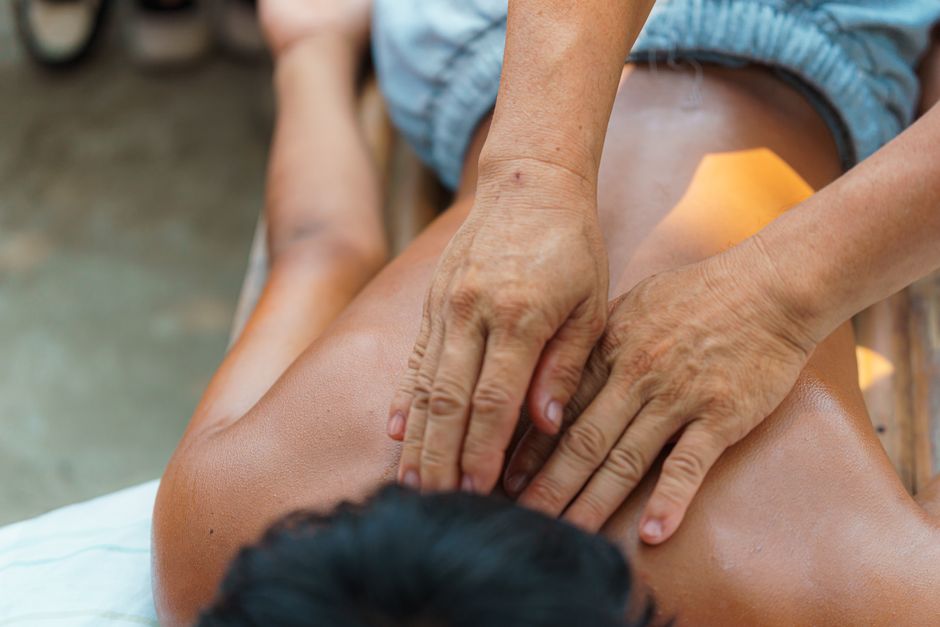
Active release technique works by combining firm, targeted pressure on a tight or irritated muscle, tendon or nerve pathway with a specific movement that lengthens the tissue under the practitioner’s hand. A session feels intense but brief. Most people describe a strong, focused stretch or a “good hurt” that eases as soon as the movement stops.
This article explains how active release technique (ART) works, what a session feels like, what the research does and does not show, and when another approach may suit you better. It answers the questions people ask most often before trying ART at our Milton clinic.
Key Takeaway: In active release technique, a practitioner holds pressure on a tissue while you move it from a shortened to a lengthened position. Each pass feels intense for a few seconds, and mild soreness for a day or two is common. Evidence comes from a few small studies, so ART is usually one part of a wider plan.
What Is Active Release Technique?
Active release technique is a patented, movement-based soft-tissue system used to treat problems in muscles, tendons, ligaments, fascia and the nerves that run between them. It was developed in the United States in the 1980s by chiropractor Michael Leahy and is taught through its own certification courses.
What ART Is Meant to Address
The idea behind ART is that overuse, strain or injury can leave tissue tight, tender and less able to glide against its neighbours. Practitioners often call these areas adhesions or scar tissue. This explanation is a working theory, and research has not yet shown exactly what changes in the tissue during treatment.
Who Uses It
ART is used by physiotherapists, chiropractors, massage therapists and other clinicians who have taken the training. Each practitioner blends it with their own assessment, exercise advice and other hands-on care. That means two ART sessions with different clinicians can feel a little different.
In every case, ART is a hands-on technique rather than a full treatment plan. A clinician still needs to work out why the tissue became irritated in the first place, whether from posture, training load, work tasks or an old injury.
How Does Active Release Technique Work?
Every ART treatment follows the same basic pattern: shorten, contact, then lengthen. The practitioner uses one of hundreds of set protocols, each designed for a specific muscle or tissue.
Step One: Shorten the Tissue
First, the practitioner places the body part in a position that shortens the target tissue. For a tight calf, for example, your foot may be pointed downward. This puts the muscle in a relaxed, slack position.
Step Two: Contact and Tension
Next, the practitioner presses firmly with a thumb, fingers or hand on the exact spot that feels tight or tender. They may draw the skin and tissue slightly in one direction to add tension. This contact stays in place for the next step.
Step Three: Active Lengthening
Finally, you move the body part, or the practitioner moves it for you, so the tissue lengthens under the contact. In the calf example, you would slowly pull your toes up toward your shin. The practitioner then repeats the pass a few times, often moving the contact slightly each time.
What Does an Active Release Technique Session Feel Like?
An active release technique session feels more intense than a relaxation massage but each pass is short. You are moving during most of the treatment rather than lying still.
During the Movement
Most people feel deep pressure and a strong stretch, sometimes with the familiar ache of their problem. The sensation should feel strong but manageable, and it fades as soon as the pass ends. Tell your practitioner if it becomes sharp, burning or too much, and they can lighten the pressure or change position.
How the Session Flows
A typical session starts with a short assessment of how you move and where it hurts. The practitioner then works through a few target areas, checking your movement again between passes. Many clinicians finish with stretches or exercises to help you keep any new range of motion.
Afterwards
You may notice that a movement feels easier or less painful straight away, although some people notice little change after the first visit. Mild soreness, similar to after a workout, can last a day or two. Gentle movement, normal activity and the exercises you were given usually help it settle.
Bruising is uncommon but can happen, especially if you bruise easily. Mention any soreness that lasts longer than a couple of days at your next visit so the pressure can be adjusted.
What Is Active Release Technique Used For?
ART is mostly used for soft-tissue problems linked with overuse, repeated movements or old injuries. It is not a fit for every kind of pain, and a good assessment comes first.
Common Uses
- Shoulder pain: Tightness around the rotator cuff and shoulder blade muscles
- Elbow and wrist pain: Tennis elbow, golfer’s elbow and some forearm overuse problems
- Hand and wrist symptoms: Tightness along the forearm that may play a part in carpal tunnel type symptoms
- Neck and upper back pain: Tension from desk work, screens and driving
- Hip and thigh tightness: Hamstrings, hip flexors and the outer thigh in runners and cyclists
- Foot and calf pain: Tight calves and some cases of heel pain
When ART May Not Suit You
ART is usually avoided over a fresh injury in its first few days, a fracture, an open wound, a skin infection or an area with a known or suspected blood clot. People who take blood thinners, bruise easily or have fragile skin or bones may need lighter or different treatment. Tell your practitioner about any health conditions before you start.
What Does the Research Say About Active Release Technique?
The research on active release technique is limited. Most studies are small, short and look at slightly different groups and problems, so it is hard to say how well it works for any one person.
What the Studies Show
A 2022 systematic review of active release technique found nine studies that met its criteria. Studies that measured pain, range of motion or disability reported improvements after ART. The reviewers said ART may be a reasonable option, but that more research is needed on how much treatment to give and how long the effects last.
Limits of the Evidence
Many studies included only a few dozen people, followed them for a short time or did not hide the treatment from those measuring the results.
For example, a 2023 study of 45 people with chronic neck pain compared ART and another manual method with massage alone over four weeks. Small studies like this can point in a direction, but they cannot show how well ART works for everyone.
What That Means for You
It is fair to try ART as one part of a plan, but it should not be presented as a proven fix on its own. Judge it by whether you move better and manage daily tasks more easily over the next few sessions. If nothing changes, a good clinician will suggest a different approach.
How Is ART Different From Massage and Other Soft-Tissue Methods?
ART is one of several soft-tissue methods, and the main difference is that you move while pressure is applied. The table below compares common options.
| Method | How it works | Your role | How it usually feels |
|---|---|---|---|
| Active release technique | Pressure on a shortened tissue while it is lengthened | You move during each pass | Intense, short and focused |
| Deep tissue massage | Slow, firm strokes through deeper muscle layers | You lie still and relax | Firm, steady pressure |
| Myofascial release | Gentle, sustained pressure and stretch on the fascia | You lie still and relax | Slow and gentle stretching |
| Trigger point therapy | Steady pressure on a tender knot in a muscle | You lie still and breathe | Local ache that fades with pressure |
| Instrument-assisted methods, such as Graston | A smooth steel tool glides over the skin and tissue | You lie still or move gently | Scraping pressure, sometimes with redness |
Comparing the Options
If you would like a gentler, slower approach, our article on myofascial release vs regular massage explains how fascia-focused work differs. For a tool-based method, read about what to expect from the Graston technique.
For steady pressure on a single tender knot, see our guide to trigger point massage and who it helps.
Combining Methods
Many clinicians combine ART with trigger point work, joint mobility work or exercise in the same session. No single method has been shown to be clearly better than the others for every problem. The right mix depends on your symptoms, your goals and how your body responds.
How Should You Prepare for an Active Release Technique Session?
A little preparation can make an active release technique session more comfortable and more useful. Most of it is about clothing, information and expectations.
Before You Arrive
- Wear the right clothes: Shorts or a tank top make it easier to reach the legs, shoulders or back
- Skip heavy lotion: Practitioners need a good grip on the skin, so oil or cream on the area can get in the way
- Bring your history: Note when the problem started, what makes it worse and any past injuries or surgeries
- List your medicines: Blood thinners and some other medicines can change how firmly the practitioner should press
Setting Expectations
ART can feel uncomfortable, and that is normal as long as it stays manageable. It is fine to ask the practitioner to explain each step before they start. Agree on a simple signal, such as a word or raising a hand, for when you need them to ease off.
Talking About Goals
Tell your practitioner what you want to be able to do, such as reaching overhead, typing without pain or running a certain distance. Clear goals make it easier to judge whether ART is helping. They also guide which other treatments or exercises are added to your plan.
How Many ART Sessions Might You Need?
There is no set number of active release technique sessions that suits everyone. Research has not yet worked out the ideal dose, so plans are based on how you respond.
What Affects the Number of Visits
- How long you have had the problem: Newer problems often change faster than long-standing ones
- How you respond: Clear progress after the first few visits is a good sign the approach suits you
- Your daily load: Repeated tasks at work or in sport can keep irritating the same tissue
- Home exercise: Stretching and strengthening between visits can help changes last
Why Exercise Matters
Hands-on treatment can make a movement feel easier for a while, but strength and better movement habits help keep it that way. Your practitioner may give you a few targeted exercises to do at home. Planned re-checks show whether the treatment is still helping or whether it is time to change course.
When Should You See a Doctor or Go to Emergency?
Active release technique is meant for soft-tissue problems, not for pain that may have a serious cause. Some symptoms need medical care first.
Go to Emergency or Call 911
- Loss of bladder or bowel control, or numbness around the groin or inner thighs
- Sudden weakness, numbness or drooping on one side of the face or body
- Chest pain, or arm or jaw pain with shortness of breath
- A limb that looks deformed or that you cannot move after an injury
See Your Doctor Soon
- Numbness, tingling or weakness that is spreading or getting worse
- A calf that is swollen, warm and painful, which may signal a blood clot
- Pain with fever, unexplained weight loss or a history of cancer
- Pain that is constant, worse at night and not eased by rest or changing position
Trying Active Release Technique
If a tight, sore area keeps limiting how you move, a short trial of ART within a wider plan may be worth considering. A careful assessment comes first, so treatment matches the cause.
Booking an Assessment
Our team offers active release techniques as part of a full assessment and exercise plan. Wear loose, comfortable clothing so the area can move freely during treatment.
If you would like to find out whether ART suits your problem, you can book an assessment online.