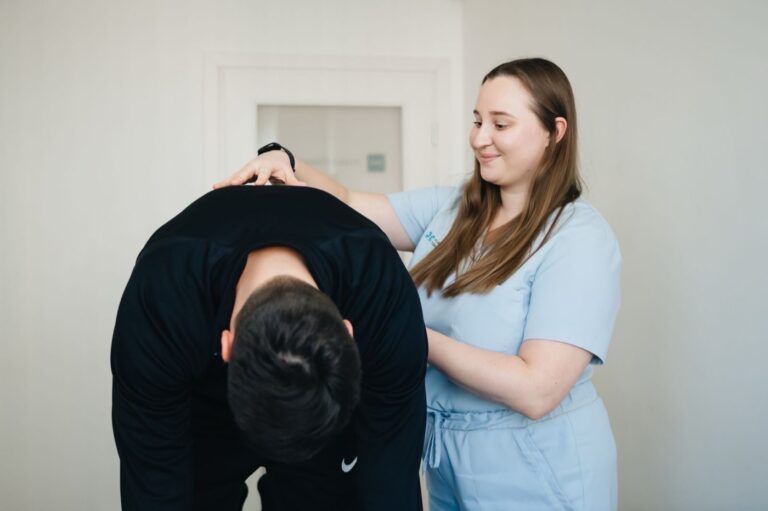
When you are dealing with pain, injury, or limited mobility, choosing between orthopedic and regular physiotherapy matters more than most patients in Milton realize. Many people search for “orthopedic physiotherapy vs regular physiotherapy” to understand which approach suits their condition, and the honest answer is that it depends on what is wrong. At Tonic Physio in Milton, our physiotherapists are trained in both, and we match the approach to your specific diagnosis rather than applying one method to every patient.
Quick Comparison: Orthopedic physiotherapy focuses on the musculoskeletal system (bones, joints, muscles, ligaments, tendons) and is best for injuries, post-surgical recovery, sports issues, and chronic joint pain. Regular physiotherapy covers a broader scope including neurological, cardiovascular, and respiratory conditions. Most patients in Milton need orthopedic work specifically, but the two approaches often overlap in real treatment plans. At Tonic Physio, our physiotherapists are trained in both and choose the right combination for your condition.
What Is Regular Physiotherapy?
Regular physiotherapy, also called general physiotherapy, is a broad healthcare discipline that addresses physical function across all body systems. It focuses on restoring movement, reducing pain, and improving overall function for patients with a wide range of conditions. A general physiotherapist treats patients with post-surgical rehabilitation needs, general aches and chronic pain, balance and coordination problems, respiratory conditions, neurological disorders such as stroke or Parkinson’s disease, and cardiac rehabilitation.
What Regular Physiotherapy Includes
General physiotherapy uses a wide toolkit. The most common techniques include exercise therapy (strengthening, stretching, cardiovascular conditioning), electrotherapy (TENS, ultrasound, electrical stimulation), patient education on self-management, manual therapy for muscle and joint mobilization, and breathing exercises for respiratory conditions. Treatment is often focused on overall function, quality of life, and helping patients manage long-term conditions alongside their medical care.
What Is Orthopedic Physiotherapy?
Orthopedic physiotherapy is a specialized field dedicated entirely to the musculoskeletal system. This includes bones, joints, muscles, tendons, ligaments, and fascia. Orthopedic physiotherapists undergo additional training to diagnose and treat conditions such as fractures and post-fracture rehabilitation, joint replacements (hip, knee, shoulder), ligament tears and sprains, tendonitis and bursitis, spinal conditions including herniated discs, arthritis and degenerative joint disease, and sports injuries.
Because orthopedic physiotherapists focus exclusively on musculoskeletal issues, they develop deeper expertise in joint biomechanics, post-operative protocols, and advanced manual therapy techniques. This is the type of physiotherapy most patients in Milton actually need when they search for help with back pain, knee pain, or a sports injury.
What Orthopedic Physiotherapy Includes
Orthopedic physiotherapy uses specialized techniques including joint mobilization and manipulation, soft tissue mobilization, neurodynamic mobilization, post-operative rehabilitation protocols, and sport-specific functional training. The focus is precise diagnosis of the injured structure, targeted manual therapy, and progressive exercise to restore full musculoskeletal function. Most of our orthopedic patients at Tonic Physio in Milton also receive a home exercise program designed for their specific condition and stage of recovery. We look at how our Triton 6E traction table works in a separate article.
Orthopedic vs Regular Physiotherapy: Side-by-Side Comparison
This is the table most of our Milton patients want to see first. It breaks down the practical differences across the factors that matter most when you are choosing where to book.
Key Differences at a Glance
| Feature | Orthopedic Physiotherapy | Regular Physiotherapy |
|---|---|---|
| Focus area | Bones, joints, muscles, ligaments, tendons | Broader scope including neuro, cardio, and general rehab |
| Common conditions | Fractures, arthritis, sports injuries, post-surgical rehab, herniated discs | Stroke recovery, respiratory issues, chronic disease management |
| Techniques used | Joint mobilization, manual therapy, sport-specific training, post-op protocols | Exercise therapy, electrotherapy, breathing exercises, education |
| Target patients | Athletes, post-surgical patients, injury sufferers, chronic joint pain | General population, neurological patients, chronic disease patients |
| Typical session focus | Specific structure, specific function | Whole-body function, quality of life |
| Goal | Restore musculoskeletal function and mobility | Improve overall physical function and quality of life |
| At Tonic Physio | Yes, all orthopedic physios are trained in this | Yes, but orthopedic focus is our specialty |
5 Conditions That Need Orthopedic Physiotherapy
These are the conditions we treat most often at Tonic Physio in Milton. If you have any of them, you need an orthopedic-focused physiotherapist, not just a generalist.
1. Post-Surgical Recovery
After joint replacement, ACL reconstruction, rotator cuff repair, or spinal surgery, the rehabilitation protocol is specific to the surgery, the surgeon, and the stage of healing. Orthopedic physiotherapists are trained in these protocols and know what to do (and what not to do) at each stage. Getting this wrong can compromise the surgical outcome, so it is one of the most important areas to choose a qualified orthopedic physio.
2. Sports Injuries
Sprains, strains, tendonitis, ligament tears, runner’s knee, tennis elbow, and rotator cuff injuries are all orthopedic conditions. They require detailed biomechanical assessment, sport-specific retraining, and progressive loading to get you back to your sport safely. At Tonic Physio in Milton, we work with athletes from minor hockey at the Milton Sports Centre, soccer at Milton Turf Club, runners along the Niagara Escarpment trails, and CrossFit athletes.
3. Chronic Joint Pain and Arthritis
Whether you have osteoarthritis, rheumatoid arthritis, or chronic tendinopathy, the right treatment combines manual therapy, targeted strengthening, and pain-management strategies. Orthopedic physios are trained to identify which joints are involved, what stage of degeneration they are in, and which exercises are safe and effective at each stage.
4. Back and Neck Pain
Most back and neck pain is mechanical, meaning it comes from joints, discs, muscles, or nerves in the spine. Orthopedic physiotherapy addresses the specific structure causing the pain, often with manual therapy and targeted exercise. At Tonic Physio, we treat back and neck pain in Milton with a hands-on orthopedic approach.
5. Repetitive Strain Injuries
Carpal tunnel, tennis elbow, golfer’s elbow, and similar conditions respond to orthopedic treatment that includes manual therapy, ergonomic assessment, and progressive loading. Regular physiotherapy can help with general pain, but the targeted approach of orthopedic work is what resolves these conditions for the long term.
When Regular Physiotherapy Is the Right Choice
Regular physiotherapy is the right choice when your condition does not involve a specific bone, joint, or soft tissue injury. It is the better fit for stroke recovery and other neurological conditions, Parkinson’s disease and movement disorders, multiple sclerosis rehabilitation, chronic obstructive pulmonary disease (COPD) and other respiratory conditions, cardiac rehabilitation after a heart attack, balance and fall prevention in older adults, and general deconditioning after illness or hospitalization.
For these conditions, a general physiotherapist has the right training to help you improve overall function, endurance, and quality of life. At Tonic Physio in Milton, we have physiotherapists with experience in these areas and we will refer you to a specialist if your condition needs more focused care.
Can You Combine Both Approaches?
Yes. Many patients transition between orthopedic and regular physiotherapy during their recovery. For example, after knee replacement surgery, you might start with orthopedic physiotherapy to regain joint mobility and strength. Once your knee improves, you might shift to general physiotherapy for broader conditioning and balance work. At Tonic Physio, our team coordinates these transitions seamlessly so your recovery stays on track.
In practice, most patients at our Milton clinic receive a blend of both approaches in every session. A typical orthopedic physio will use manual therapy and targeted exercise (orthopedic) alongside general mobility work and education (general). The distinction matters more in the focus of the treatment than in the techniques themselves.
How to Know Which Type You Need
Here is the simple decision tree we walk through with new patients at our Milton clinic.
You Need Orthopedic Physiotherapy If You Have
- A specific injury to a bone, joint, muscle, ligament, or tendon
- Recent surgery on a joint, spine, or limb
- Sports injury, repetitive strain, or work-related musculoskeletal pain
- Chronic joint pain, arthritis, or tendinopathy
- Back or neck pain with a clear mechanical cause
- Post-fracture or post-immobilization stiffness
You Need Regular Physiotherapy If You Have
- Neurological condition (stroke, Parkinson’s, MS)
- Respiratory condition (COPD, asthma, post-COVID)
- Cardiac rehabilitation needs
- Balance or fall prevention concerns
- General deconditioning after illness
- Goals around overall fitness, mobility, and quality of life rather than a specific injury
Still Not Sure?
Book an assessment at Tonic Physio in Milton (usually 60 minutes). We will evaluate your condition, explain which approach fits, and tell you honestly if you need a different kind of specialist entirely. The first session is the most important one, and getting the right person in front of you is the difference between a fast recovery and a slow one.
Why the Distinction Matters for Your Recovery
The difference between orthopedic and regular physiotherapy is not just academic. It directly affects your recovery timeline, the techniques your therapist uses, and the long-term outcome of your treatment. Patients in Milton who see an orthopedic physio for a musculoskeletal condition often benefit from more targeted techniques and condition-specific protocols.
The same is true in reverse. A patient with a neurological condition like post-stroke recovery needs a physiotherapist trained in neuro rehab, not an orthopedic specialist. Matching the therapist’s training to your condition is the single biggest factor in how fast you recover.
What to Look for in an Orthopedic Physiotherapist in Milton
Not every clinic has the same depth of orthopedic expertise. Here is what to look for when choosing a provider.
Credentials and Training to Verify
- A current Ontario physiotherapy licence (mandatory)
- Post-graduate training in manual therapy, sports physiotherapy, or musculoskeletal rehabilitation
- Experience treating your specific condition (ask how many similar cases they have managed)
- Access to modalities like shockwave, traction, dry needling, or custom bracing (not essential, but useful)
- Direct billing for insurance, WSIB, and MVA claims
At Tonic Physio in Milton, our orthopedic physiotherapists hold advanced certifications in manual therapy and sports rehabilitation. We treat the full range of musculoskeletal conditions and have direct billing with most major insurers.
Common Questions About Orthopedic vs Regular Physiotherapy in Milton
These are the questions we hear most often from new patients at our clinic.
Is orthopedic physiotherapy more expensive than regular physiotherapy?
Costs vary by clinic and region, but orthopedic physiotherapy is not inherently more expensive. The price usually depends on session length, the therapist’s experience, and the complexity of your condition. At Tonic Physio in Milton, our pricing is consistent across orthopedic and regular physiotherapy sessions.
Can a regular physiotherapist treat a sports injury?
A general physiotherapist can treat mild sports injuries. However, complex or recurring sports injuries benefit from an orthopedic or sports physiotherapist who understands the biomechanics of athletic movement and return-to-sport protocols. If you are a serious athlete or your injury keeps coming back, ask for an orthopedic specialist.
Do I need a doctor’s referral for orthopedic physiotherapy?
In Ontario, you do not need a doctor’s referral to see any physiotherapist. You can book directly with an orthopedic clinic like Tonic Physio. However, some insurance plans require a referral for coverage, so check with your provider.
How long does orthopedic physiotherapy take to show results?
Most patients notice improvement within 4 to 6 sessions. Acute injuries may resolve faster, while chronic conditions or post-surgical rehabilitation can take 8 to 12 weeks or longer. Your physiotherapist will set realistic expectations based on your diagnosis and goals.
What should I expect during my first orthopedic physiotherapy session?
Your first session includes a detailed assessment of your medical history, current symptoms, physical examination, and movement analysis. The physiotherapist explains your diagnosis, proposes a treatment plan, and begins initial treatment. You should leave with a clear understanding of your condition and the steps ahead.
Can I switch from regular to orthopedic physiotherapy mid-treatment?
Yes. If your general physiotherapist identifies a musculoskeletal issue that needs specialized care, they will refer you to an orthopedic colleague. At Tonic Physio in Milton, this transition is seamless because we have both types of expertise under one roof.
Book Your Assessment at Tonic Physio in Milton
Whether you need orthopedic physiotherapy for a specific injury or general physiotherapy for overall wellness, the right care makes all the difference. At Tonic Physio in Milton, our team will match you with the right specialist and start your recovery journey.
Call us at (905) 878-7775 or book online through JaneApp. We are located in Milton, Ontario, and we serve patients from Oakville, Burlington, Georgetown, Campbellville, and across Halton Region. We offer direct billing for most major insurance plans. If you have questions before booking, contact our team and we will point you in the right direction.