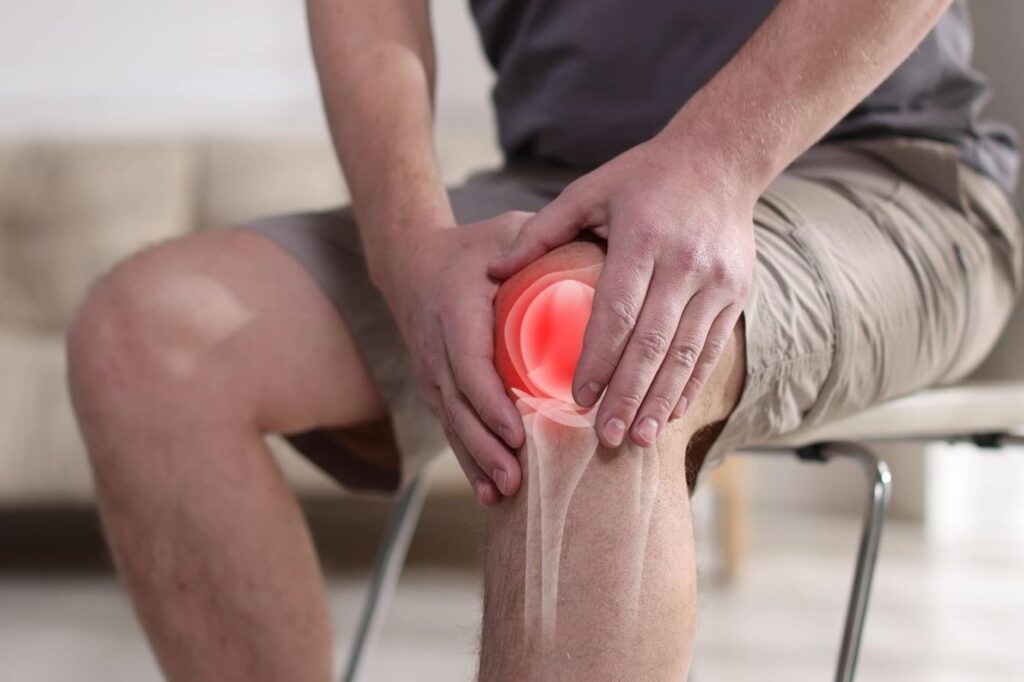
Knee pain is a common issue that affects people of all ages and activity levels. While occasional soreness is normal, persistent knee pain that doesn’t improve with rest may signal an underlying problem. Understanding the causes of ongoing knee discomfort and knowing how to address it is essential for regaining mobility and improving quality of life.<!, more, > Persistent knee pain treatment is designed to address the root causes of discomfort rather than simply masking symptoms, helping patients recover strength, flexibility, and confidence in movement. You can learn more about orthopedic physiotherapy in Milton on our service page.
Common Causes of Persistent Knee Pain
The knee is a complex joint that relies on muscles, ligaments, tendons, and surrounding joints to function properly. When any part of this system is not working correctly, stress can accumulate, leading to persistent pain. Some common causes include:
- Muscle weakness or imbalance in the thighs, hips, or calves
- Joint stiffness or reduced flexibility from inactivity or injury
- Poor movement patterns during walking, running, or exercise
- Overuse injuries from repetitive activities or sports
- Previous injuries that didn’t fully heal, like ACL strains or meniscus tears
Without proper evaluation and treatment, these factors can keep pain recurring, affecting daily activities and overall quality of life.
Signs You Need Persistent Knee Pain Treatment
Knowing when to seek professional care is key. Some indicators that your knee pain requires attention include:
- Pain lasting more than two to three weeks
- Difficulty walking, climbing stairs, or bending the knee
- Swelling, tenderness, or warmth around the joint
- Recurrent flare-ups after activity or exercise
- Limited range of motion or stiffness
Early intervention can prevent long-term joint damage and accelerate recovery.
How Persistent Knee Pain Treatment Works
Physiotherapists use a structured approach to persistent knee pain treatment. Instead of just relieving symptoms temporarily, the goal is to restore proper movement, strengthen supportive muscles, and prevent future pain. Typical treatment may include:
- Comprehensive assessment of gait, posture, and joint function
- Strengthening exercises for the quadriceps, hamstrings, and hip muscles
- Joint mobilization to improve knee flexibility and movement
- Activity modification advice to prevent aggravation of the knee
Learn more about physiotherapy care here: Physiotherapy Services
The Role of Manual Osteopathy
Knee pain is not always isolated to the knee joint. Restrictions in the hips, ankles, or spine can contribute to knee stress. Manual osteopathy is a therapeutic approach that addresses the entire musculoskeletal system, improving joint alignment and muscle balance. Benefits of manual osteopathy for persistent knee pain include:
- Enhancing joint mobility
- Reducing muscle tension
- Improving overall lower-body mechanics
Combined with physiotherapy, it often accelerates recovery and reduces recurrence. Joint Pain and Stiffness
Massage Therapy for Muscle Support
Tight muscles around the knee and leg can worsen pain and limit mobility. Registered massage therapy helps relieve muscle tension, improve circulation, and support tissue recovery. Key benefits include:
- Reducing tightness in the thigh, calf, and hip muscles
- Improving flexibility and comfort
- Supporting recovery between physiotherapy sessions
Shockwave Therapy is often integrated into a persistent knee pain treatment plan for better overall outcomes.
Daily Habits That Can Affect Knee Pain
Your daily habits play a significant role in how well knee pain heals. Some common habits that worsen pain include:
- Sitting for long periods without moving
- Wearing unsupportive footwear
- Incorrect posture when lifting or squatting
- Sudden increases in physical activity
By adjusting these habits, you can reduce strain on the knee and complement your treatment plan.
Exercises to Support Knee Recovery
Exercises are central to persistent knee pain treatment, helping restore strength, flexibility, and stability. Common exercises recommended by physiotherapists include:
- Quadriceps strengthening , such as straight-leg raises
- Hamstring stretches , to improve flexibility
- Hip strengthening exercises , like side leg raises
- Balance and stability work , using a resistance band or stability ball
- Low-impact cardio , like cycling or swimming to support joint health
Consistency with these exercises enhances recovery and helps prevent future pain.
When Pain Becomes Chronic
Chronic knee pain can persist for months or even years if untreated. Over time, muscles may weaken, joints stiffen, and movement patterns change. This can make everyday tasks, like walking, climbing stairs, or exercising, more difficult. Persistent knee pain treatment is designed to:
- Reduce discomfort
- Restore mobility and strength
- Prevent long-term joint issues
- Improve overall quality of life
Early intervention often leads to better outcomes than waiting for the pain to resolve on its own.
Frequently Asked Questions
Q: Can knee pain improve without treatment? A: Mild knee pain may improve, but persistent or recurring pain usually requires professional care. Q: How long does persistent knee pain treatment take? A: Recovery depends on the cause and severity of pain. Most people notice improvement within a few sessions, but a structured plan ensures long-term results. Q: Can physiotherapy help knee pain caused by arthritis? A: Yes. Physiotherapy strengthens supporting muscles, improves joint function, and reduces discomfort in arthritis-affected knees. Q: Should I continue exercising if my knee hurts? A: A physiotherapist can guide safe exercises. Avoiding activity entirely may worsen stiffness and weaken muscles.
Take the First Step Toward Knee Relief
Persistent knee pain doesn’t have to control your life. With the right persistent knee pain treatment plan, most people regain mobility, reduce discomfort, and return to their daily activities with confidence. Early assessment and a structured treatment plan can make a lasting difference.
Treatment Options at Tonic Physiotherapy in Milton
At Tonic Physiotherapy in Milton, we provide comprehensive treatment for persistent knee pain treatment, Milton using evidence-based techniques. Your physiotherapist will conduct a thorough assessment to identify the root cause of your symptoms and design a personalized treatment plan that addresses both your pain and its underlying source.
- Manual therapy: Hands-on techniques improve joint mobility and reduce tissue tension
- Therapeutic exercise: Targeted strengthening and stretching restore normal movement patterns
- Shockwave therapy: may help some long-standing tendon problems, after assessment
- Acupuncture: Fine needles reduce pain and promote natural healing responses
- Education and self-management: You learn exercises and strategies to maintain improvements independently
Recovery Timeline and Rehabilitation Phases
Recovery from joint-related conditions follows a progressive rehabilitation pathway. Your physiotherapist at Tonic Physiotherapy in Milton will guide you through each phase, adjusting your treatment based on your progress and symptoms.
| Phase | Timeline | Focus |
|---|---|---|
| Early recovery | Week 1 to 4 | Pain control, gentle mobility, swelling reduction |
| Strength building | Week 4 to 8 | Progressive strengthening, balance, functional movement |
| Return to activity | Week 8 to 12 | Sport-specific training, full function restoration |
Preventing Future Issues
- Maintain regular exercise: Consistent strengthening and stretching prevent recurrence
- Listen to your body: Address minor discomfort before it becomes a major issue
- Ergonomic awareness: Set up your workspace to minimize strain on your body
- Stay active: Regular physical activity maintains joint mobility and muscle strength
- Follow your exercise program: Continue the exercises your physiotherapist prescribed even after you feel better
Book Your Appointment at Tonic Physiotherapy in Milton
Insurance Coverage and Cost in Milton
Physiotherapy treatment for persistent knee pain treatment, Milton at Tonic Physiotherapy in Milton is covered by most private insurance plans. Coverage varies by plan, so check your physiotherapy benefits before your first visit. We offer direct billing to most insurance providers.
For approved workplace injury claims, WSIB may cover physiotherapy, and we can help with the paperwork. After a motor vehicle accident, treatment may be covered through your auto insurance claim. Ask us how it works. Our administrative team handles all insurance paperwork directly, so you can focus on your recovery without worrying about billing or claims.
What Milton Patients Ask About This Treatment
How Long Does Treatment Take?
The number of sessions depends on your injury and goals. Your physiotherapist gives you an estimate after your initial assessment and reviews it as you progress. Your physiotherapist at Tonic Physiotherapy will provide a more accurate timeline after your initial assessment.
Will I Need to Do Exercises at Home?
Yes, home exercises are a critical part of your recovery. Your physiotherapist will prescribe specific exercises that complement your in-clinic treatment and accelerate your progress. Your home program is kept short enough to fit into your day, and it is tailored to your condition and stage of recovery.
Can This Condition Return After Treatment?
Without addressing the underlying causes, many conditions can return. That is why Tonic Physiotherapy focuses not only on relieving your symptoms but also on identifying and correcting the factors that caused your condition in the first place. Your treatment plan includes education on posture, ergonomics, movement patterns, and preventive exercises that keep the problem from coming back. Many Milton patients schedule periodic maintenance sessions to catch issues early before they become painful.
Why Choose Tonic Physiotherapy in Milton
Tonic Physio is a physiotherapy clinic at 100 Nipissing Rd #5 in Milton. Our physiotherapists pursue ongoing education to stay current with the latest treatment techniques. We offer a comprehensive range of services including physiotherapy, registered massage therapy, osteopathy, acupuncture, and shockwave therapy, all under one roof for your convenience.
With direct billing to most insurance providers and a team approach to your care, Tonic Physio aims to make recovery easier to access. Whether you are dealing with a recent injury, a chronic condition, or simply want to improve your physical function, our experienced team is ready to help you achieve your health goals. Call (905) 878-7775 or book online to start your recovery journey today.
If you are experiencing symptoms related to persistent knee pain treatment, Milton, do not wait for the problem to resolve on its own. Getting assessed early means you can start a plan sooner. Our experienced physiotherapists will assess your condition, explain your diagnosis in plain language, and design a treatment plan that gets you back to full function.
Call (905) 878-7775 to book your appointment or visit our contact page to schedule online through JaneApp. We offer direct billing to most insurance providers at our clinic at 100 Nipissing Rd #5, Milton. Your physiotherapy treatment at Tonic Physiotherapy is covered by most private insurance plans, and for workplace injuries, WSIB claims are handled directly by our administrative team.
Understanding Your Condition: What Milton Residents Should Know
Many Milton residents live with persistent knee pain treatment, Milton for weeks or months before seeking treatment, hoping it will resolve on its own. While some minor issues do improve with rest and time, most musculoskeletal conditions require professional intervention to heal properly. Understanding what is happening in your body helps you make informed decisions about when to seek treatment and what to expect during recovery.
Your body is an interconnected system where problems in one area frequently cause symptoms in another. A hip restriction can lead to knee pain, a tight neck can cause headaches, and a weak core can contribute to lower back pain. This is why a thorough assessment at Tonic Physiotherapy in Milton evaluates not just the area where you feel pain but the entire kinetic chain that may be contributing to your symptoms.
The Assessment Process at Tonic Physiotherapy
Your first appointment at Tonic Physiotherapy in Milton includes an assessment, usually 60 minutes. Your physiotherapist will take a detailed history of your condition, including when it started, what makes it better or worse, and how it affects your daily activities. A physical examination follows, where your physiotherapist evaluates your range of motion, muscle strength, joint mobility, posture, and movement patterns.
Based on the assessment findings, your physiotherapist will explain your diagnosis in plain, understandable language and outline a treatment plan. This plan includes the number of sessions recommended, the techniques that will be used, the expected timeline for recovery, and the home exercises that will accelerate your progress. Treatment typically begins during your first session, so you leave with both a clear understanding of your condition and the start of your recovery already underway.
Self-Care Strategies to Support Your Recovery
Between your physiotherapy sessions, what you do at home significantly affects your recovery speed and completeness. Your physiotherapist at Tonic Physiotherapy in Milton will teach you specific self-care strategies that complement your treatment and help maintain the improvements achieved during your sessions. These strategies are simple, take only a few minutes daily, and are essential for optimal recovery.
- Apply heat or ice: Ice for acute inflammation and pain, heat for chronic muscle tension and stiffness
- Maintain gentle movement: Complete rest can worsen many conditions. Gentle, pain-free movement maintains mobility and promotes healing
- Stay hydrated: Adequate water intake supports tissue healing and reduces muscle cramping
- Get adequate sleep: Your body heals most during deep sleep. Aim for 7 to 9 hours per night
- Practice good posture: Poor posture during work, driving, and sleep can aggravate your condition
- Follow your exercise program: Consistency with prescribed exercises is the most important factor in your recovery
For Milton residents with busy schedules, the home exercise program is designed to be practical and time-efficient. Your physiotherapist will prioritize the most important exercises and show you how to integrate them into your daily routine. Even 10 minutes of consistent daily exercise produces better results than an occasional longer session, so consistency matters more than duration.