Massage therapy for stress relief is the use of hands-on soft tissue techniques, such as kneading, stroking and gentle pressure, to ease muscle tension and help the body shift into a calmer state. It treats the physical side of stress, like tight shoulders and a sore neck, while giving the mind a chance to rest.
Stress affects almost everyone at some point, from work deadlines to family demands. This guide explains how massage can help, which types suit stress best, what a session involves and how to make the effects last.
Key Takeaway: Massage therapy may help ease stress by relaxing tight muscles, slowing breathing and helping many people feel calmer for hours or days afterward. Research suggests massage can reduce feelings of anxiety, though results vary from person to person. It works best as one part of a wider plan that includes sleep, movement and other stress-management habits.
How Does Stress Affect the Body?
Stress is the body’s response to pressure or a sense of threat. A little stress can help you focus, but long-lasting stress can affect both body and mind.
The Stress Response
When you feel under pressure, the body releases stress hormones that raise your heart rate, quicken your breathing and tense your muscles. This fight-or-flight response is helpful in short bursts. When it stays switched on for weeks or months, it can leave you feeling tired, tense and on edge.
Where Stress Shows Up
Many people hold stress in the neck, shoulders, jaw and upper back. Others notice headaches, a tight lower back, shallow breathing or trouble sleeping. Over time, constant tension can feel normal until it starts to cause pain.
The Stress and Tension Cycle
Tight, sore muscles can make it harder to relax and sleep, which adds to stress. More stress then leads to more tension, and the cycle continues. Breaking this cycle, even for a short time, can make a real difference to how you feel.
How Can Massage Therapy Help With Stress?
Massage works on the physical signs of stress and can also help the mind slow down. Most people feel the effects during and soon after a session.
Easing Muscle Tension
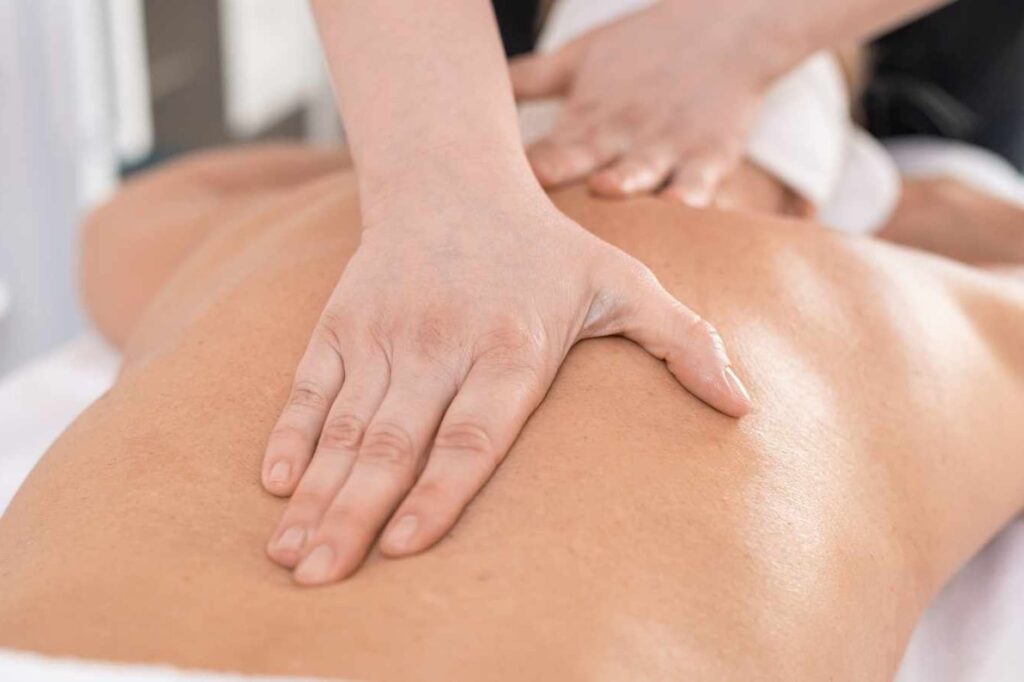
Slow, rhythmic strokes and kneading help tight muscles relax and soften. Many people notice their shoulders drop and their neck move more freely after a session. Less tension in the body often makes it easier to feel calm.
Calming the Nervous System
Gentle, steady touch may help the body shift from a fight-or-flight state to a rest-and-digest state. Breathing often slows and deepens during a massage, and heart rate may settle. Many people describe feeling clearer and lighter afterward.
What the Research Says
A meta-analysis published in Psychological Bulletin found that massage therapy was linked with reductions in anxiety, with larger effects seen over a series of sessions. The US National Center for Complementary and Integrative Health notes that massage may help with anxiety and pain, although more high-quality research is needed. Results vary, so it is best seen as one helpful tool among several.
Which Types of Massage Help With Stress?
Several massage styles can support stress relief. The right choice depends on your preferences, your body and what you want from the session.
Relaxation and Swedish Massage
Relaxation massage, often based on Swedish techniques, uses long, flowing strokes and light to medium pressure. It is one of the most popular choices for stress because it is gentle and soothing. It suits people who want to unwind and ease general tension.
Deep Tissue Massage
Deep tissue massage uses slower, firmer pressure to reach deeper layers of muscle. It may help people whose stress shows up as stubborn knots or long-standing tightness. Some people find it relaxing, while others prefer a lighter touch when stressed.
Indian Head Massage and Other Options
Indian head massage focuses on the head, neck, shoulders and face, and you stay fully clothed and seated. Hot stone and aromatherapy massage are other options some people enjoy. Our guide to the types of massage therapy explains each style in more detail.
The table below compares common choices for stress relief.
| Massage type | Pressure | Often chosen for |
|---|---|---|
| Relaxation or Swedish | Light to medium | General stress and full-body tension |
| Deep tissue | Firm | Stubborn knots and long-standing tightness |
| Indian head massage | Light to medium | Head, neck and shoulder tension, headaches |
| Hot stone | Light to medium | Deep relaxation and warmth |
| Sports massage | Medium to firm | Stress with training soreness |
What Happens During a Massage Session?
Knowing what to expect can help you relax from the moment you arrive. You stay in control throughout the session.
Before the Massage
Your massage therapist will ask about your health, any injuries or conditions, medications and what you would like to focus on. They will also ask about your stress, sleep and areas of tension. This helps them plan a session that is safe and suits your needs.
During the Massage
You will be given privacy to undress to your comfort level and lie under a sheet or towel. Only the area being worked on is uncovered. You can ask for more or less pressure, a warmer room or quiet at any time.
After the Massage
Take a moment to get up slowly, as some people feel light-headed or very relaxed. Drink some water if you are thirsty, and try to keep the rest of the day calm if you can. Some mild soreness is normal after firmer work and usually fades within a day or two.
Can Massage Help Stress-Related Headaches and Sleep?
Stress often shows up as headaches and restless nights. Massage may help with both, especially when muscle tension is part of the problem.
Tension Headaches
Tension headaches often feel like a tight band around the head and are linked to tight neck, shoulder and scalp muscles. Massage that focuses on these areas may help ease the tension that feeds these headaches. Many people find a session reduces how often or how strongly the headaches come on, though results vary.
Sleep Quality
Some people sleep more deeply on the night after a massage. Easing muscle tension and calming the body before bed may make it easier to fall asleep. An evening session, followed by a quiet night, can be a good choice if sleep is your main concern.
Jaw and Face Tension
Clenching or grinding the teeth is common during stressful periods and can cause jaw pain and headaches. Gentle massage of the jaw, temples and face may help these muscles relax. Your massage therapist can also show you simple self-massage to use at home.
How Does Massage Fit With Other Stress Support?
Massage is one of many ways to manage stress. It often works best alongside other approaches rather than on its own.
Massage and Exercise
Regular exercise is one of the most effective ways to manage stress, and massage can make exercise feel more comfortable by easing tight muscles. Many people combine weekly walks or classes with a massage every few weeks. Together they support both body and mind.
Massage and Talk-Based Support
For ongoing stress, anxiety or low mood, talking to a counsellor, psychotherapist or doctor can help you build coping skills. Massage can complement this by easing the physical tension that stress causes. Each supports a different part of your wellbeing.
Who Can Benefit From Massage for Stress Relief?
Massage can support people in many different situations. It is generally safe for most adults when the therapist knows your health history.
People With Busy, Demanding Days
Long work days, shift work, caring for family and juggling many roles can all build up stress. A regular massage gives a set time to pause and rest. Many people find it helps them return to their day with more energy.
Desk Workers and Drivers
Sitting for long periods often leads to tight necks, shoulders and lower backs. Massage can ease this tension, especially when combined with movement breaks and a good desk set-up. It may also help with tension headaches linked to posture.
Athletes and Active People
Training stress and life stress often build up together. Massage may help ease muscle soreness and support recovery while also helping athletes relax. It fits well alongside stretching, sleep and good nutrition.
How Often Should You Get a Massage for Stress?
There is no single right schedule for everyone. Frequency depends on your stress levels, your body and your budget and time.
Starting Out
Some people begin with sessions every one to two weeks for a short period, then space them out as they feel better. Others prefer a single session when stress builds up. Your massage therapist can suggest a pattern that suits you.
Maintenance
Many people settle into a session every three to six weeks to keep tension from building up again. Regular sessions may have a stronger effect over time than a single visit. Our article on how often you should get a massage explains the options in more detail.
Listening to Your Body
Signs that you may benefit from a session include tight shoulders, more frequent headaches, poor sleep or feeling constantly on edge. If you notice these signs returning, it may be time to book. There is no need to wait until pain becomes severe.
How Can You Make the Benefits Last?
Massage works best when daily habits support it. Small changes between sessions can help you stay calmer for longer.
Breathing and Relaxation Techniques
Slow breathing, such as breathing in for four counts and out for six, can help calm the body. Short body scans, where you notice and relax each area in turn, can ease tension during the day. These take only a few minutes and can be done anywhere.
Movement and Stretching
Gentle stretches for the neck, shoulders and chest help keep muscles loose between sessions. Walking, yoga and swimming are all helpful ways to manage stress. The NHS tips to reduce stress include staying active, connecting with others and planning your time.
Sleep and Daily Routine
Regular sleep and wake times, less screen time before bed and a calm evening routine all support recovery from stress. Limiting caffeine later in the day can help as well. Our post on how massage therapy for stress helps you relax shares more ideas for building calm into your week.
Is Massage Safe for Everyone?
Massage is safe for most people, but some health conditions need care or a doctor’s advice first. Always share your full health history with your massage therapist.
When to Take Extra Care
Tell your therapist if you are pregnant, have a blood clotting disorder, take blood thinners, have osteoporosis or have had recent surgery. People with cancer, heart conditions or diabetes can often have massage, but the approach may need to be adjusted. Your therapist may ask you to check with your doctor first.
When to Postpone a Session
Postpone your massage if you have a fever, an infection, a contagious illness or a new injury with swelling. Avoid massage over open wounds, rashes, burns or areas of unexplained pain. If you are unsure, call the clinic before your session.
When Should You See a Doctor or Go to Emergency?
Massage can support stress relief, but it does not treat anxiety disorders, depression or other mental health conditions on its own. Some signs need medical care.
See a Doctor
See a doctor if stress, low mood or anxiety are affecting your sleep, work or relationships for more than a couple of weeks. Physical symptoms such as chest tightness, a racing heart, ongoing headaches or stomach problems should also be checked. A doctor can help you find the right mix of support.
Go to Emergency or Get Help Right Away
Go to emergency or call 911 if you have chest pain, trouble breathing or signs of a stroke. If you are having thoughts of harming yourself, call or text 9-8-8 for the Suicide Crisis Helpline, available across Canada at any time, or go to your nearest emergency department. You do not have to manage these feelings alone.
Taking Time to Look After Yourself
Massage therapy offers a simple way to pause, ease tension and help your body feel calmer. Combined with good sleep, movement and support, it can be a valuable part of looking after your health.
Booking a Relaxation Massage
Our massage therapists offer relaxation massage tailored to your stress levels, comfort and goals. When you are ready, you can book a massage online.