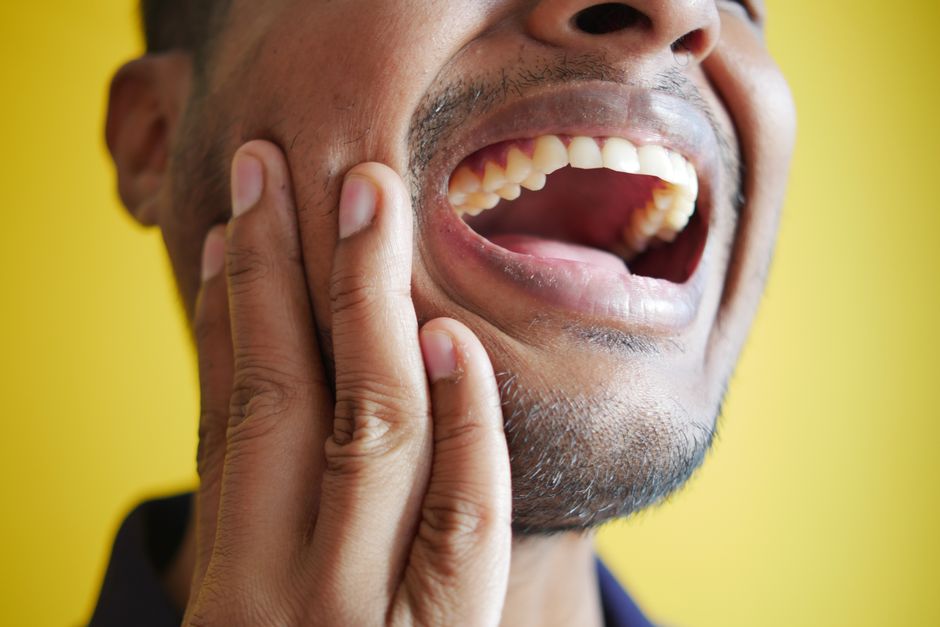
Temporomandibular disorder, often called TMJ, is pain or poor movement in the jaw joint and the muscles that open and close the mouth. When people compare TMJ massage vs physiotherapy, the short answer is that massage mainly eases tight jaw muscles, while physiotherapy assesses the joint, muscles, neck and habits together and builds a home exercise plan.
This article explains what each treatment involves, how they compare, when one may suit you better than the other, and why many people do best with a mix of both.
Key Takeaway: TMJ massage can give quick relief from muscle tension caused by clenching and stress. TMJ physiotherapy looks at the jaw joint, neck, posture and daily habits, and teaches exercises you continue at home. Muscle-driven jaw pain often responds to either, while clicking, locking or limited opening usually calls for physiotherapy first.
What Is TMJ Pain?
The temporomandibular joint sits just in front of each ear, where the lower jaw meets the skull. It is one of the most used joints in the body, working every time you talk, chew, yawn or swallow. A small disc inside the joint helps it glide smoothly.
The National Institute of Dental and Craniofacial Research describes TMD as a group of conditions that cause pain and dysfunction in the jaw joint and the muscles that control jaw movement. Many cases are mild and settle with simple self-care.
Common Symptoms
- Aching in the jaw, cheek, temple or in front of the ear
- Clicking, popping or grating sounds when you open your mouth
- Stiffness, or trouble opening your mouth fully
- A jaw that catches or locks
- Headaches, often at the temples
- Ear fullness or ear pain without an ear infection
Muscle Pain or Joint Problem?
TMJ problems fall into two broad groups. Muscle pain comes from overworked chewing muscles, often linked with clenching, grinding and stress. Joint problems involve the disc or joint surfaces and may cause clicking, catching or locking. Many people have a mix of both.
This difference matters, because it shapes which treatment is likely to help most. Our article on why your jaw clicks explains the joint side in more detail.
What Causes TMJ Problems?
TMJ pain rarely has one single cause. More often, several small factors add up until the jaw muscles or joint become irritated.
Common Contributing Factors
- Clenching and grinding: Often during sleep or periods of stress, and many people do not notice it
- Stress and poor sleep: Both can raise muscle tension and make pain feel stronger
- Forward head posture: Long hours looking down at screens change how the jaw muscles work
- Jaw habits: Gum chewing, nail biting, cheek biting or resting the chin on a hand
- Injury: A blow to the face, a sports hit or whiplash from a car collision
- Long dental visits: Holding the mouth open wide for a long time can flare symptoms
- Arthritis: Osteoarthritis or inflammatory arthritis can affect the jaw joint
Why the Cause Matters for Treatment
If stress and clenching are the main drivers, muscle relaxation, habit changes and massage often help. If posture or an old injury plays a big part, neck and jaw exercises usually need to be added. Knowing your own mix of causes helps you choose where to start.
What Does TMJ Massage Involve?
TMJ massage is hands-on soft tissue work on the muscles that move and support the jaw. It is usually done by a massage therapist with training in head, neck and jaw treatment.
Muscles Treated
- Masseter: The strong chewing muscle at the angle of the jaw that tightens with clenching
- Temporalis: The fan-shaped muscle on the side of the head, often linked with temple headaches
- Pterygoids: Deeper muscles that guide the jaw forward and side to side, sometimes reached from inside the mouth with gloves and consent
- Neck and shoulder muscles: Tight neck muscles can refer pain into the jaw and face
What a Session Feels Like
A session usually starts with the neck and shoulders, then moves to the face and jaw. Pressure is slow and steady, and tender spots are often held until they soften. Many people feel their jaw relax and open more easily by the end.
Relief from massage can be felt the same day. Without changes to clenching, posture and stress, however, the tension often returns.
What Does TMJ Physiotherapy Involve?
TMJ physiotherapy starts with an assessment of the jaw joint, the chewing muscles, the neck and your daily habits. Treatment then combines hands-on care with exercises and education that you carry on at home.
The Assessment
- How far and how straight your mouth opens
- Clicking, catching or locking as the jaw moves
- Tenderness in the jaw, temple and neck muscles
- Neck movement and head posture
- Habits such as clenching, grinding, nail biting or gum chewing
- Sleep, stress and how symptoms change through the day
Treatment Options
- Joint mobilisation: Gentle hands-on movement of the jaw joint to improve glide
- Soft tissue work: Similar to massage, targeted at the muscles found to be overactive
- Jaw exercises: Controlled opening, tongue position and coordination drills
- Neck and posture work: Exercises for the neck and upper back that affect jaw position
- Habit coaching: Learning a relaxed jaw rest position and spotting daytime clenching
A 2016 systematic review of manual therapy and exercise for TMD found these approaches may reduce pain and improve mouth opening for some people. The studies varied in quality, so results are a guide rather than a promise.
TMJ Massage vs Physiotherapy: How Do They Compare?
Both treatments can help jaw pain, but they work in different ways. The table below shows the main differences.
Side-by-Side Comparison
| Feature | TMJ massage | TMJ physiotherapy |
|---|---|---|
| Main focus | Tight jaw, face and neck muscles | Joint, muscles, neck, posture and habits |
| Assessment | Health history and muscle tension | Full jaw and neck movement assessment |
| Hands-on work | Soft tissue massage | Joint mobilisation and soft tissue work |
| Home program | Simple self-massage and stretches | Structured jaw, neck and posture exercises |
| Clicking or locking | Limited effect on the joint itself | Assessed and treated directly |
| Feel of relief | Often felt the same day | Often builds over several weeks |
| Best suited to | Stress-related muscle tension and clenching | Joint problems, limited opening and pain that keeps returning |
Which Works Better?
Neither is better for everyone. For jaw pain that is mainly muscular, both may help, and massage often feels good quickly. For pain linked with the joint itself, or pain that keeps coming back, physiotherapy has the advantage of an assessment and an exercise plan aimed at the cause.
When Might Each Treatment Suit You?
Your symptoms are the best guide. These patterns are common starting points, and your clinician can adjust them after an assessment.
When Massage May Be a Good Fit
- Jaw ache and tight cheeks after stressful days
- Morning jaw soreness from night-time clenching or grinding
- Temple headaches with tender jaw muscles
- Full mouth opening with no clicking or locking
When Physiotherapy May Be a Better First Step
- Clicking with pain, or a jaw that catches or locks
- Trouble opening wide enough to bite an apple or yawn
- Jaw pain that started after a fall, sports hit or car collision
- Jaw pain together with neck pain or poor posture
- Pain that keeps returning despite massage
Can Massage and Physiotherapy Work Together?
Many people do well with a combined approach. Massage eases muscle tension so that exercises feel more comfortable, and physiotherapy builds the control and habits that help keep the jaw calm.
How a Combined Plan Often Looks
- Assessment: A physiotherapist checks the joint, muscles and neck, and sets goals.
- Early relief: Hands-on care and massage ease tight muscles in the first weeks.
- Exercise focus: Jaw, neck and posture exercises become the main part of the plan.
- Self-management: You learn to spot clenching, use the jaw rest position and handle flare-ups yourself.
If you also grind your teeth at night, your dentist may suggest a night guard. Dental care, physiotherapy and massage can all play a part in the same plan.
Keeping Your Care Team Connected
When more than one person treats your jaw, it helps if they share the same goals. Tell your massage therapist what your physiotherapist found, and bring any dental notes or night guard to your appointments.
Keep a short symptom diary as well. Note jaw pain on a 0 to 10 scale, how wide you can open, any clicking and what seemed to trigger a flare. A few weeks of notes show your team what is working.
It is also worth noting how stress, sleep and work deadlines line up with your symptoms. Many people find their jaw pain follows these patterns closely.
What Can You Do at Home for TMJ Pain?
Self-care is part of every TMJ plan. The NHS advice on TMD lists softer foods, warm or cold packs and jaw relaxation among the first steps.
Daily Habits That Help
- Jaw rest position: Lips together, teeth slightly apart and tongue resting on the roof of the mouth
- Softer foods for a while: Cut food into small pieces and avoid very chewy or hard foods during flare-ups
- No gum chewing: Gum keeps the chewing muscles working all day
- Warmth: A warm cloth on the jaw muscles for 10 to 15 minutes can ease tension
- Screen and desk posture: Keep screens at eye level so your head does not drift forward
- Stress breaks: Slow breathing a few times a day helps you notice and release clenching
Simple Exercises and Sleep
Gentle controlled opening with the tongue on the roof of the mouth is a common first exercise. Our guide to TMJ exercises you can do at home shows several more with step-by-step instructions.
Sleep position can also affect morning jaw pain. Our article on how to sleep with TMJ pain explains which positions may take pressure off the jaw.
How Long Does Improvement Usually Take?
Recovery time varies from person to person. It depends on how long the pain has been there, whether the joint or the muscles are mainly involved, and how often you can practise the home program.
What Many People Notice
Muscle tension often eases within days of starting massage and self-care. Changes in mouth opening, clicking and how often pain flares usually build more slowly, over several weeks of regular exercise. Long-standing pain can take longer and may come and go during stressful periods.
Your clinician will review your progress at follow-up visits and adjust the plan. If symptoms are not changing, they may suggest a dental or medical review.
Paying for TMJ Care
Many extended health plans cover both physiotherapy and massage therapy, sometimes from separate yearly maximums and sometimes from one shared pool. If your jaw pain began after a car collision, your auto insurance accident benefits may help pay for treatment. Check your plan before booking so there are no surprises.
When Should You See a Doctor or Dentist?
Most jaw pain is not serious, but some signs need a medical or dental check before massage or physiotherapy.
Warning Signs
- A jaw that is locked open or locked closed and will not release
- Jaw pain after a blow to the face, especially with a change in your bite
- Swelling of the face or jaw, fever, or a bad taste that could mean infection
- Tooth pain, which needs a dentist’s review
- Numbness in the face, or a lump in the jaw or neck
Go to emergency for jaw pain that comes with chest pain, shortness of breath or pain spreading into the arm, as this can be a sign of a heart problem. See a doctor promptly for new jaw pain when chewing combined with headache and vision changes in people over 50.
Getting Help With Jaw Pain
If you are unsure whether massage or physiotherapy is the right start, an assessment can sort out whether your pain is mainly muscular, joint-related or both. In Ontario you do not need a doctor’s referral to see a physiotherapist, although some insurance plans ask for one before they reimburse.
Our TMJ treatment can combine physiotherapy and massage in one plan, matched to your symptoms. When you are ready, you can book an appointment online at Tonic Physio in Milton.