Cervical spondylosis is age-related wear of the discs and small joints in the neck, and it is very common after age 40. Gentle cervical spondylosis exercises may help ease neck pain and stiffness by keeping the joints moving and strengthening the muscles that support the head.
This article explains six safe moves with step-by-step instructions, how many sets to do and how often, what to avoid, and when neck symptoms need a doctor’s review.
Key Takeaway: Regular, gentle exercise is one of the most useful ways to manage cervical spondylosis. Chin tucks, slow neck turns and side bends, shoulder blade squeezes and two easy stretches can be done at home in about 10 minutes. Stop any move that causes sharp pain or spreading arm symptoms, and see a doctor for numbness, weakness or clumsy hands.
What Is Cervical Spondylosis?
The neck, or cervical spine, is made of seven small bones with cushioning discs between them and small joints at the back. Over time, the discs lose some water and height, and the joints can develop bony edges called bone spurs. This normal ageing process is called cervical spondylosis.
Many people have these changes on an X-ray or scan and feel no pain at all. The NHS overview of cervical spondylosis notes that symptoms, when they happen, are often neck pain and stiffness that come and go.
Common Symptoms
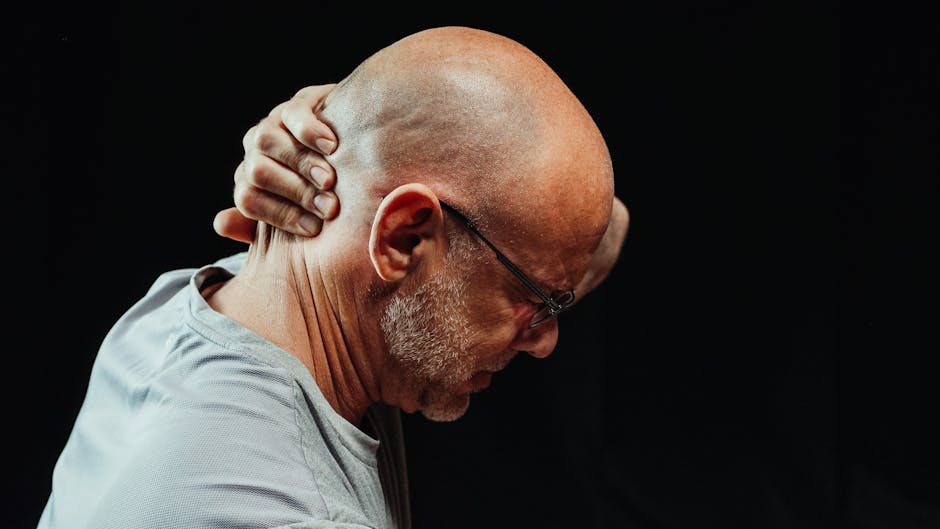
- Neck pain and stiffness, often worse in the morning or after long periods in one position
- Reduced ability to turn the head, for example when checking a blind spot while driving
- Pain that spreads to the shoulder blades or the back of the head
- Headaches that start at the base of the skull
- A grinding or clicking feeling when moving the neck
- Less often, pain, tingling or weakness in an arm if a nerve is irritated
What Makes Symptoms Worse
Long hours looking down at a phone or laptop, sleeping on an unsupportive pillow and holding the shoulders tense all add load to the neck. Earlier neck injuries, smoking and jobs with a lot of overhead work are also linked with more symptoms.
Posture is only one part of the picture, but it does affect how comfortable the neck feels during the day. Our article on whether poor posture causes neck pain explains what the evidence shows.
Why Does Exercise Help Cervical Spondylosis?
It can be tempting to keep a stiff, sore neck very still. In most cases, gentle movement does more good than rest, because joints and discs stay healthier when they move regularly.
How Movement and Strength Work
- Mobility: Slow, repeated movement helps keep stiff joints moving and may ease pain
- Deep neck strength: The small muscles at the front of the neck help hold the head in a balanced position
- Shoulder blade strength: Strong upper back muscles take load off the neck
- Muscle tension: Gentle stretches can relax tight muscles at the top of the shoulders
What the Research Says
A 2015 Cochrane review of exercises for mechanical neck disorders found that neck, shoulder and upper back strengthening may improve pain and function for people with long-term neck pain. Many of the studies were small, so results vary between people.
Exercise does not reverse the changes seen on a scan. The aim is to help the neck feel and move better, and to make flare-ups easier to manage.
6 Safe Cervical Spondylosis Exercises
These six moves are common starting points. Move slowly, breathe normally and stay within a comfortable range. Mild stretching or muscle effort is fine, but sharp pain, dizziness or new arm symptoms mean stop.
1. Chin Tucks
Chin tucks strengthen the deep muscles at the front of the neck and help bring the head back over the shoulders. They are often the first exercise people learn.
- Sit or stand tall, looking straight ahead.
- Gently slide your chin straight back, as if making a double chin. Keep your eyes level and do not tip your head down.
- Hold for 5 seconds, feeling a light stretch at the base of the skull.
- Relax and repeat 10 times.
2. Neck Rotation
Slow neck turns keep the joints moving and may make it easier to check your blind spot while driving.
- Sit tall with your shoulders relaxed.
- Slowly turn your head to the right as far as is comfortable, keeping your chin level.
- Hold for 2 to 3 seconds, then return to the centre.
- Turn to the left in the same way. Repeat 10 times each side.
3. Side Bending
Side bending gently moves the joints at the sides of the neck and stretches the muscles between the neck and shoulder.
- Sit tall, looking straight ahead.
- Slowly tip your right ear towards your right shoulder without lifting the shoulder.
- Hold for 2 to 3 seconds, then return to the centre.
- Repeat to the left. Do 10 slow bends each side.
Three More Moves for the Shoulders and Upper Back
The neck shares its muscles with the shoulders and upper back. These three moves round out the routine by strengthening and relaxing that area.
4. Shoulder Blade Squeezes
- Sit or stand tall with your arms relaxed at your sides.
- Gently draw your shoulder blades back and down, as if tucking them into your back pockets.
- Hold for 5 seconds without shrugging your shoulders up.
- Relax and repeat 10 to 15 times.
As this gets easier, a physiotherapist may add a light resistance band, pulling the band apart at chest height as you squeeze.
5. Upper Trapezius Stretch
- Sit tall and hold the edge of your chair with your right hand to keep that shoulder down.
- Tip your left ear towards your left shoulder.
- For a little more stretch, rest your left hand lightly on the side of your head. Do not pull.
- Hold for 20 to 30 seconds, feeling the stretch along the top of the right shoulder. Repeat 2 to 3 times each side.
6. Levator Scapulae Stretch
- Sit tall and hold the chair edge with your right hand.
- Turn your head about halfway to the left, then gently look down towards your left armpit.
- Rest your left hand lightly on the back of your head, without pulling.
- Hold for 20 to 30 seconds, feeling the stretch at the back and side of the right neck. Repeat 2 to 3 times each side.
How Often Should You Do These Exercises?
Little and often works better than one long session. Most people do the full routine once or twice a day, and some of the moves, such as chin tucks, can be repeated during desk breaks.
Sets and Frequency at a Glance
| Exercise | Sets and reps | How often |
|---|---|---|
| Chin tucks | 10 reps, 5 second hold | 2 to 3 times a day |
| Neck rotation | 10 reps each side | 1 to 2 times a day |
| Side bending | 10 reps each side | 1 to 2 times a day |
| Shoulder blade squeezes | 10 to 15 reps, 5 second hold | 1 to 2 times a day |
| Upper trapezius stretch | 2 to 3 holds of 20 to 30 seconds each side | Once or twice a day |
| Levator scapulae stretch | 2 to 3 holds of 20 to 30 seconds each side | Once or twice a day |
Adjusting the Routine to How You Feel
During a flare-up, cut the number of reps in half and stay in a smaller range. On good days, keep the routine steady rather than doing much more. Most people notice a difference after a few weeks of regular practice, although this varies.
A little soreness that settles within a few hours is normal when you start. Pain that lasts into the next day, or new symptoms in the arm, mean the routine needs to be eased back or reviewed.
How Can You Fit the Routine Into Your Day?
The best routine is the one you actually keep doing. Linking the exercises to things you already do each day makes them easier to remember.
A Sample 10-Minute Routine
- Warm up for 1 minute: Roll your shoulders slowly forward and back, and take a few deep breaths.
- Mobility for 4 minutes: Neck rotation and side bending, moving slowly within a comfortable range.
- Strength for 3 minutes: Chin tucks and shoulder blade squeezes with steady holds.
- Stretch for 2 minutes: Upper trapezius and levator scapulae stretches on each side.
Using Heat and Movement Breaks
A warm shower or a heat pack on the neck for 10 to 15 minutes before exercise can make the first few movements feel easier, especially in the morning. Keep heat at a comfortable warmth and do not fall asleep on a heat pack.
If you work at a desk, set a reminder to do five chin tucks and five shoulder blade squeezes every hour. Short breaks spread through the day often help more than one long session in the evening.
Staying generally active also helps. Walking, swimming with a relaxed stroke and other gentle activities keep the whole body moving, which can make neck stiffness easier to live with.
What Should You Avoid?
Some movements and habits can irritate a neck with spondylosis. Avoiding them while you build up your routine can make exercise more comfortable.
Movements to Skip or Modify
- Fast neck circles: Rolling the head quickly in full circles can compress the joints at the back of the neck
- Holding the head far back: Looking up for long periods, such as painting a ceiling, often flares symptoms
- Self-cracking: Forcing the neck to click or pop is not recommended
- Pulling on the head: Use only the light weight of your hand during stretches
- Heavy overhead lifting: Build up gradually and keep the neck in a neutral position
- Headstands and shoulder stands: These place heavy load on the neck
Everyday Habits That Help
- Raise your screen so the top is at eye level
- Hold your phone higher instead of looking down at it
- Take a short movement break every 30 to 45 minutes at a desk
- Use a pillow that keeps your neck level with the rest of your spine
- Carry bags across your body or switch sides often
Sleep has a big effect on morning stiffness. Our guide to a sore neck from sleeping and pillow tips explains which positions and pillows may help.
What Else Can a Physiotherapist Add?
Home exercise is the base of care, but some people benefit from extra guidance, especially when pain is stubborn or keeps coming back.
Treatment Options
- Assessment: Checking neck movement, strength, nerve function and posture to match exercises to you
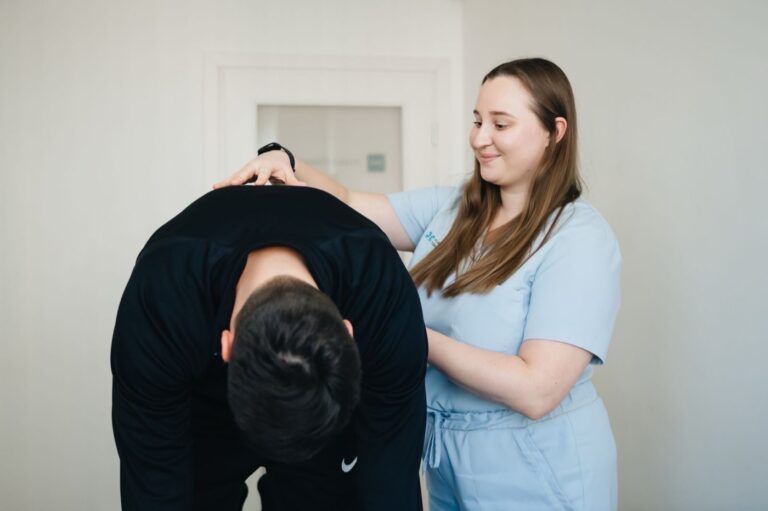
- Hands-on care: Gentle joint mobilisation and soft tissue work to ease stiffness
- Progressions: Adding resistance bands, holds and upper back strength as you improve
- Directional exercises: Some people respond to repeated movements in one direction, as used in the McKenzie method
- Traction: Sometimes used for arm symptoms from an irritated nerve, though evidence is mixed
Our article on McKenzie exercises for back and neck pain explains how repeated movements are tested and used.
When Should You See a Doctor or Go to Emergency?
Most neck pain from cervical spondylosis is uncomfortable but not dangerous. A few signs suggest pressure on a nerve or on the spinal cord and need prompt medical care.
See a Doctor Promptly If You Notice
- Numbness, tingling or weakness in one or both arms or hands
- Clumsy hands, such as trouble with buttons or handwriting
- Problems with balance or walking
- Neck pain with fever, unexplained weight loss or night sweats
- Pain that is getting steadily worse or wakes you every night
Go to Emergency If
Go to emergency for neck pain after a fall, car collision or other injury, new loss of bladder or bowel control, sudden weakness in the arms or legs, or neck pain with a severe headache, dizziness or trouble speaking.
Getting Help With Neck Stiffness
If you are unsure which exercises suit you, or your neck is not improving with home care, a physiotherapy assessment can set a safe starting point. In Ontario you do not need a doctor’s referral to see a physiotherapist, although some insurance plans ask for one before they reimburse.
Our cervical spondylosis treatment combines hands-on care with a home exercise plan matched to your neck. When you are ready, you can book an assessment online at Tonic Physio in Milton.