Walk down any pharmacy aisle and you will meet the promise: foam, gel, and arch support in a package, promising to fix what your feet have complained about for years. Custom orthotics share a shelf category with those insoles and almost nothing else. The difference is not the price; it is what happens between your foot and the device, and this article walks that distance.
Key Takeaway: Drugstore insoles add cushioning to every foot identically; custom orthotics are built from an assessment and cast of your feet to change how your foot functions. For generalized fatigue and mild comfort needs, the insole is honest value. For structural problems, specific pain patterns, and conditions like plantar fasciitis with biomechanical drivers, the custom device does what foam cannot: it changes the mechanics, not just the feel.
What a drugstore insole actually does
The over-the-counter insole is a cushion with a shape, and its honest job description is short:
- It adds padding between your foot and the shoe’s original insole
- It provides generic arch support: the same curve for every foot that buys it
- It compresses: most over-the-counter insoles flatten meaningfully within weeks to months
For a foot that needs general comfort and cushioning, that is a fair product at a fair price. For a foot with a specific mechanical problem, it is a cushion, and the problem continues beneath it.
What a custom orthotic actually does
A custom orthotic is a medical device built from your foot’s assessment and cast, and its job description is structural:
- Functional correction: the device is shaped to hold your foot in specific positions through gait, changing how forces load the foot, ankle, knee, and hip
- Materials matched to purpose: rigid, semi-rigid, or accommodative, chosen for your condition and your weight and your activities
- Durability: custom devices last years, with refinishes, not months
- The prescription logic: every curve in the device exists because your assessment found a reason for it
The assessment: where the custom part actually happens
The device is the output; the assessment is the product:
- Gait analysis: how your foot strikes, rolls, and pushes off, filmed and measured
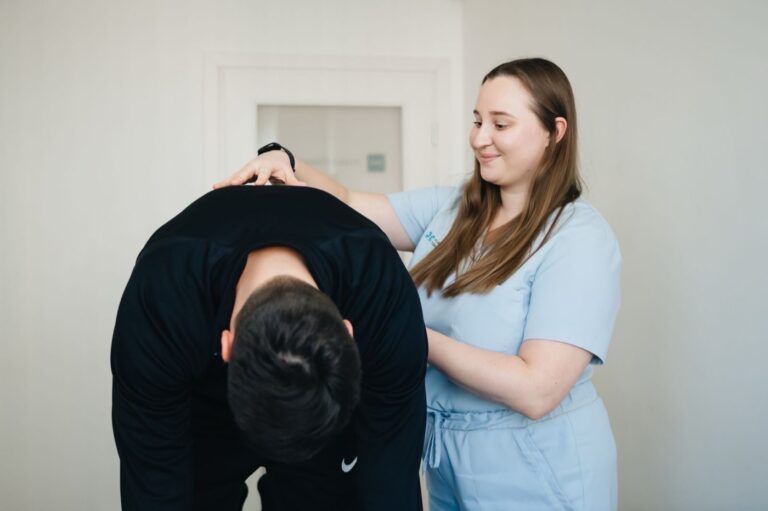
- Foot and ankle examination: joint range, muscle strength, the arch’s behavior standing and sitting, and the specific pain’s anatomy
- Shoe wear reading: the patterns on your old shoes that tell the truth about your mechanics
- Weight-bearing casts or scans: the foot captured in its corrected position, which is what the lab builds from
Patients seeking custom orthotics in Milton go through that assessment first, because the device without the diagnosis is just an expensive insole.
The comparison, honest on both sides
| Feature | Drugstore insole | Custom orthotic |
|---|---|---|
| Purpose | Generic cushioning | Functional correction for your mechanics |
| Fit | One shape fits all | Built from your cast or scan |
| Lifespan | 3-6 months typically | Years with maintenance |
| Cost | Low, per pair | Higher upfront, often insured |
| Best for | General comfort, temporary relief | Structural problems, specific pain patterns |
| Assessment required | None | Full biomechanical assessment |
The table’s honesty cuts both ways: the insole is the right answer for the foot that needs cushioning, and the orthotic is the wrong purchase for the foot that does not. The assessment sorts the two.
The conditions where custom orthotics earn their place
- Plantar fasciitis with mechanical drivers: the arch behavior, the tight calves, the foot strike pattern; the orthotic addresses the mechanics while the tissue heals
- Recurrent ankle sprains and instability
- Knee pain with foot-driven mechanics: the patellofemoral pain that the foot’s roll feeds
- Diabetic foot protection: accommodative devices that offload pressure points, a distinct medical category
- Asymmetries and leg-length differences: the corrections that even the foundation
The conditions where the insole is enough
- General standing fatigue without structural findings
- Cushioning for a specific shoe: the work boot, the dress shoe, the thin-soled sneaker
- The athlete experimenting before committing: the insole as the trial, the custom as the correction
What custom orthotics feel like, honestly
The break-in period is real, and the expectations deserve honesty:
- Weeks 1 and 2: a few hours daily, the feet learning the new support; some muscle awareness is normal, the same family as a new shoe
- Weeks 3 and 4: full days, the body adapting to the changed mechanics
- The changes: patients report the heel pain softening, the knees tracking better, the end-of-day foot ache shrinking; the changes arrive as the mechanics retrain
Orthotics that hurt consistently after the break-in are orthotics that need adjustment, and the follow-up visit fixes them. The device is fitted, then refined.
The insurance question, answered
Most extended health plans cover custom orthotics with assessment documentation, typically with an annual or every-two-year maximum. The rules:
- A biomechanical assessment is part of the coverage requirements for most plans
- Direct billing handles some plans; others reimburse after payment
- The clinic’s documentation, the assessment findings and the device’s medical purpose, is what the claim rides on
How the orthotic is actually made: from assessment to device
Understanding the manufacturing path explains the price and the precision:
- The assessment: the biomechanical exam that finds what the device must correct
- The capture: a foam-box cast or 3D scan of your foot held in its corrected position, not its resting deformity
- The prescription: the clinician’s written instructions to the lab: corrections, materials, additions, and the device’s jobs
- The fabrication: the lab builds the device from the cast and prescription, milled or vacuum-formed to the prescription’s specifics
- The fitting: the device checked in your shoes, adjusted, and the break-in protocol set
- The refinement visit: 2 to 3 weeks in, the device adjusted to what your feet actually did with it
The path takes 2 to 3 weeks from assessment to wearing, and the refinement visit is part of the product, not an upsell: custom means fitted, and fitted means adjusted.
The shoe question: what the orthotics go into
An orthotic is only as good as the shoe that holds it, and the pairing rules are simple:
- Removable insoles: the shoe needs the depth; the original insole comes out to make room
- Heel height: matching between the shoes the device moves through
- Stability over fashion: the device works best in a shoe with some structure; the floppy flat undoes the correction
The assessment includes the shoe audit, and most patients own two or three orthotic-ready shoes: the runners, the work pair, and the everyday pair.
Orthotics and physiotherapy: the combined plan
The device changes the mechanics; the exercises build what keeps them healthy:
- Plantar fasciitis: the orthotic offloads the fascia while the calf stretching and loading program heals it
- Knee pain: the device corrects the foot’s roll while the hip strengthening fixes the tracking above
- Recurrent sprains: the support underneath while the balance program rebuilds the ankle’s own stability
The device plus the program is the standard prescription, and the clinic’s two disciplines share the plan.
Answers to the questions patients ask most
My friend’s custom orthotics did nothing. Why would mine work?
Because the device is only as good as the assessment and the diagnosis behind it. Orthotics built without biomechanical assessment are expensive insoles with a custom label. The assessment is the product; the device is its tool.
Can I just buy the expensive insoles at the running store?
Running-store insoles are good products at their job: semi-custom cushioning and support, matched to your arch by feel. For mild complaints, they are a legitimate first step. For structural problems, they are the trial that tells you the mechanics need more than cushioning.
Do orthotics weaken my feet?
No, when prescribed correctly: the orthotic changes your mechanics while your strengthening program builds the foot’s own capacity. The weakness myth usually comes from devices worn without any strengthening, which is a program complaint, not an orthotic one.
How long do custom orthotics last?
Years, with a top-cover refresh every year or two for hygiene and wear. Children outgrow them faster; adults often run a pair for 3 to 5 years before the materials retire.
Do I need orthotics in every shoe?
The devices move between shoes with similar heel heights and volumes. Most patients run one pair between their two or three main shoes, with a second pair added for the work-home split when convenient.
Orthotics and the knee-hip chain: the longer lever
The foot is the body’s foundation, and its mechanics load everything above it. The chain stories patients recognize when named:
- The rolling-in foot that rotates the shin inward, and the kneecap that tracks sideways because of it: the patellofemoral pain that knee exercises alone only half-treat
- The collapsed arch that drops the pelvis on that side, and the low back that carries the asymmetry for decades
- The leg-length difference: the true and the functional (mechanical) versions, and the corrections each earns
The chain explains why foot assessments appear in knee and hip clinics: the foundation’s mechanics decide what the floors above carry. Patients whose knee pain outlived knee treatments sometimes find the driver was standing on it all along.
What the research says about custom orthotics
The honest research summary, condition by condition:
- Plantar fasciitis: strong support for orthotics reducing pain, with prefabricated and custom both effective; custom’s advantage is fit precision for specific mechanics
- Patellofemoral knee pain: foot orthoses help the subgroup with foot-driven mechanics; the assessment identifies that subgroup
- Diabetic offloading: custom accommodative devices are standard care for pressure prevention
- Low back pain: weaker and mixed evidence; the orthotic helps when the foot is the driver, which the assessment finds or rules out
The pattern in the research matches the clinical logic: orthotics work when the mechanics they correct are actually driving the complaint. The assessment is what proves the connection before the device is built.
Plantar fasciitis and orthotics: the detail worth knowing
Plantar fasciitis is the condition that brings most patients to the orthotics conversation, and the mechanics deserve their own paragraph. The fascia runs from heel to toes and absorbs your body weight’s load with every step. When the arch rolls too far (overpronation) or the foot stays too rigid, the fascia strains at the same spot thousands of times per day, and the morning first-steps pain is its morning report.
For the next step, read our guide to why custom orthotics matter for foot health.
- The orthotic’s job: support the arch so the fascia strains less with every step, while the loading program heals it
- The evidence: orthotics, both prefabricated and custom, reduce plantar fasciitis pain in the majority of patients; the custom version’s advantage is the fit that matches your specific mechanics
- The honest note: the orthotic supports the healing; the calf stretching and strengthening do the healing. The device is the partner, not the cure
Caring for your orthotics
- The top cover: the replaceable layer that takes the wear; refreshed annually or when worn through
- The cleaning: the shell wipes; the covers hand-wash and air-dry
- The annual check: the device’s wear reviewed, the corrections still holding, the shoes audited again
- The travel pair consideration: frequent flyers and workers with two locations often run a second pair rather than moving one daily
Orthotics for kids and teens: the shorter story
Growing feet sometimes need support, and the rules differ:
- Growth makes every device temporary: children’s orthotics are replaced as feet grow, typically yearly
- The indications: specific pains and patterns, not “flat feet” as a cosmetic concern; flat feet in children are often normal and often need nothing
- The assessment decides: the same honest gate, sized smaller
The Milton foot assessment: what to expect
For readers deciding between the pharmacy and the clinic, the first appointment mapped for foot assessment in Milton:
- The history: the pain, the timeline, the shoes, the activities, the old injuries
- The gait analysis: filmed walking, sometimes running, the mechanics visible and explained
- The foot exam: joints, strength, arch behavior standing and sitting, the pain’s anatomy tested
- The shoe wear reading: bring a worn pair; the soles testify honestly
- The verdict: custom orthotics, the insole trial, or the physiotherapy-first plan, with the reasoning spoken aloud
Bring your worn shoes, your most-complained-about shoes, and your insurance card. The assessment is one visit, and the answer, either direction, is honest.
The honest summary of the comparison
The drugstore insole is a cushion, and cushions are sometimes the whole answer. The custom orthotic is a correction, and corrections need diagnoses. The two live on the same shelf and in different conversations: the foot that aches from standing on concrete needs padding, and the foot that changes how you walk needs a device built from an assessment of how you walk.
The assessment is how you know which foot you have. One visit, one honest verdict, and the feet stop being a mystery you manage with foam.