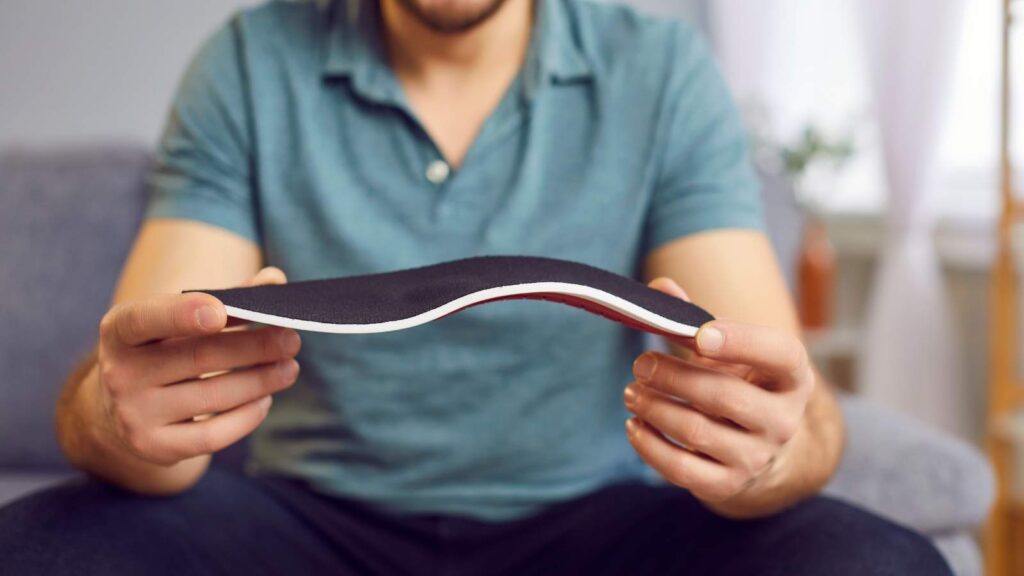
Custom orthotics are shoe inserts made to match the shape and movement of your own feet, after an assessment of how you stand and walk. Unlike generic insoles, they are built for one person’s feet. This article explains why custom orthotics matter, which problems they may help, how they are made and how they fit into a wider plan.
Key Takeaway: Custom orthotics support the feet to spread pressure more evenly and change how load travels up through the ankles, knees and hips. They may help with heel pain, arch problems, some arthritis and overuse injuries, and results vary between people. They work best as one part of a plan that includes exercise, footwear advice and regular review.
What Are Custom Orthotics?
Custom orthotics are inserts that sit inside your shoes and are designed around your foot shape, walking pattern and daily needs. They aim to support the foot so it moves and takes load in a more comfortable way.
How They Differ From Generic Insoles
Generic insoles from a pharmacy are made in standard sizes and shapes. They can add cushioning, but they cannot match the exact curve of your arch or the way your foot moves. Custom orthotics are made after a detailed assessment, so your feet do not have to adapt to a standard shape.
What They Aim to Do
- Support the arch and heel to reduce strain on soft tissues
- Spread pressure more evenly across the sole
- Guide how the foot rolls as you walk or run
- Ease load on the ankles, knees, hips and low back
Why Do Your Feet Affect the Rest of Your Body?
Your feet are the base that the rest of your body stands on. When the base moves in an unhelpful way, the joints above often adjust to make up for it.
The Body as a Linked Chain
If your feet roll inward a lot as you walk, your shins and knees may turn inward as well. Over time, this pattern can add strain to the knees, hips and low back. Supporting the feet can change how load travels up the chain, which is why some people notice easing of pain far from the feet.
Feet and Posture
Small changes at the feet can affect how you stand and balance. Some people notice they stand more evenly once they wear orthotics consistently. This can make long days on your feet feel less tiring, although posture also depends on strength, habits and comfort.
Long Days on Your Feet
Nurses, retail staff, teachers, warehouse workers and trades people often stand or walk on hard floors for hours. This steady load can lead to aching feet, tired legs and a sore back by the end of a shift. Supportive footwear with well-fitted orthotics may help spread that load and make long days more comfortable.
Which Conditions May Custom Orthotics Help?
Custom orthotics are not only for people with flat feet or high arches. They are used for a range of foot, leg and back problems.
Heel Pain and Plantar Fasciitis
Plantar fasciitis is irritation of the thick band of tissue under the foot that runs from the heel to the toes. It often causes sharp heel pain with the first steps in the morning. The NHS guide to plantar fasciitis lists supportive footwear and insoles among the main self-care steps.
Orthotics may reduce strain on the plantar fascia, especially alongside calf stretches and strength work. Our article on plantar fasciitis causes, symptoms and treatment covers the wider plan.
Arthritis and Joint Pain
Arthritis in the foot, ankle or knee can make walking painful. Orthotics may reduce stress on stiff or sore joints by changing where pressure falls under the foot. They are often combined with exercise to keep the joints moving and the muscles strong.
Overuse Injuries, Knee and Back Pain
Shin splints and tendon problems often come from repeated strain during running, walking or standing. Orthotics may help lower that strain while the tissues recover. For some people with knee or back pain, changing how the feet move can ease load on the joints above.
How Do Custom Orthotics Compare With Store-Bought Insoles?
Both have a place. The right choice depends on your feet, your symptoms and what you need the insert to do.
Side by Side
| Feature | Store-bought insoles | Custom orthotics |
|---|---|---|
| Shape | Standard sizes and arch heights | Made to match your feet |
| Assessment | None | Gait, posture and pressure checked first |
| Main role | Cushioning and light support | Support and changing how the foot moves |
| Review | Replace when worn | Reassessed and adjusted over time |
When Store-Bought Insoles May Be Enough
If you have mild, short-term foot ache and no other problems, a good pair of shoes and a simple insole may be all you need. If pain keeps coming back or affects your knees, hips or back, a full assessment can help find the cause. Our article on custom orthotics versus drugstore insoles goes into more detail.
What Does the Research Say About Orthotics?
Research on foot orthoses has grown over many years. The overall picture is that benefits depend on the condition being treated.
Results Vary by Condition
A Cochrane review of custom-made foot orthoses found evidence of benefit for some conditions, such as painful high arches and foot pain from rheumatoid arthritis. Results for other conditions were more mixed. This is why an assessment matters before deciding whether orthotics suit you.
One Part of a Plan
Orthotics change how load reaches the tissues, but they do not build strength on their own. Combining them with foot and calf exercises, footwear changes and activity advice tends to give the best chance of lasting relief.
How Are Custom Orthotics Made?
The process starts with understanding how your feet work, not only what they look like. Each step shapes the final design.
The Assessment
Your clinician asks about your pain, work, sport and footwear. They look at how you stand, walk and sometimes run, and check the joints and muscles of the feet, ankles, knees and hips. Pressure distribution under the feet is also assessed to see where load builds up.
Design and Fitting
Measurements of your feet are taken, and the orthotics are made to match their shape and the support you need. At fitting, your clinician checks that they sit well in your shoes and feel comfortable when you stand and walk.
Breaking Them In
Orthotics can feel strange at first. Many people start by wearing them for an hour or two a day and build up over a week or two. Mild aches in new places can happen early on, but sharp pain or blisters mean the fit needs checking.
Do Orthotics Help Athletes and Active People?
Athletes and active people place repeated load on their feet and legs. Even small changes in how the foot moves can add up over thousands of steps.
Shock Absorption and Fatigue
Orthotics may help spread impact forces and reduce strain on overworked tissues. Some active people find their legs feel less tired after long sessions on their feet.
Running and Court Sports
Runners, and people who play basketball, tennis or hockey, often put high loads through the arch and heel. Orthotics may form part of the plan for overuse problems such as Achilles tendon pain or shin splints. They are often paired with strength work, load planning and treatments such as shockwave therapy where suitable.
How Do Feet Change Over Time?
Feet change with age, weight, injury, pregnancy and activity level. An orthotic that suited you a few years ago may not suit you now.
Why Feet Change
Arches can flatten, ligaments can loosen and the small muscles of the feet can lose strength. A new sport, a new job on your feet or a change in footwear can also change what your feet need.
The NHS page on flat feet notes that flat feet are common and often cause no problems, so support is tailored to symptoms rather than shape alone.
When to Have Them Reassessed
- It has been several years since your last fitting
- You have new pain in your feet, knees, hips or back
- The orthotics are worn, cracked or flattened
- You have started a new sport or changed your footwear
- Your weight or health has changed
How Can You Get the Most From Your Orthotics?
Orthotics work best when the rest of your plan supports them. A few simple habits can make a big difference.
Choose Supportive Footwear
Orthotics need a shoe with a firm heel and enough depth to hold them. Remove the shoe’s own insole if needed, and bring your most-worn shoes to your fitting so the orthotics can be checked in them.
Keep the Feet and Legs Strong
- Calf stretch: lean into a wall with one leg back, heel down, and hold for 30 seconds
- Calf raises: rise slowly onto your toes and lower with control
- Short foot exercise: draw the ball of the foot towards the heel without curling the toes
- Toe spreads: spread your toes apart and relax, to wake up the small foot muscles
Combine With Other Care
Orthotics are often used alongside physiotherapy, manual therapy and exercise programs. For people with swelling or tired legs, compression socks may be added for comfort. Your clinician will suggest the mix that suits your problem.
How Do You Care for Custom Orthotics?
Good care helps orthotics keep their shape and support. It also makes it easier to spot when they need to be reviewed.
Daily Care
- Take them out of your shoes now and then to let them air dry
- Wipe them with a damp cloth and mild soap, then let them dry away from heat
- Keep them away from radiators, car dashboards and dryers, which can warp the shell
- Check the top cover for wear, splits or flattening
How Long They Last
How long orthotics last depends on the materials, your weight and how much you use them. A pair worn all day for work and sport will wear faster than a pair worn for short walks. Your clinician can check them at each review and replace covers or adjust them when needed.
Using More Than One Pair
Moving one pair between shoes is fine if they fit well in each. Some people prefer a second pair for work boots or sport shoes, so each pair is shaped to the shoe it lives in. Ask your clinician which option suits your routine.
What Are the Signs You May Need Orthotics?
Some signs suggest it may be worth having your feet assessed.
Common Signs
- Heel or arch pain, especially with first steps in the morning
- Shoes that wear unevenly on one side
- Foot, knee or back pain after standing or walking for a long time
- Repeated ankle sprains or a feeling of instability
- Pain that returns each time you increase running or walking
Our article on signs you may need orthotics for heel pain covers this in more detail.
When Should You See a Doctor or Go to Emergency?
Most foot pain is not serious, but some signs need medical care before orthotics or physiotherapy.
Go to Emergency If You Have
- A foot that is suddenly cold, pale or blue
- A hot, red, swollen foot with fever
- Severe pain after an injury, or you cannot put any weight on the foot
See a Doctor Soon If You Have
- Diabetes and a new sore, blister or wound on your foot
- Numbness, burning or tingling in your feet
- Calf pain with swelling and warmth
- Swelling in one foot or ankle with no clear cause
Getting Started With Custom Orthotics
An assessment shows whether orthotics are likely to help and, if so, what kind of support your feet need.
What to Bring
Bring the shoes you wear most, including work and sport shoes, and any orthotics you already use. Wear or bring shorts so your clinician can see how your knees and ankles move. In Ontario, you do not need a doctor’s referral to see a physiotherapist, although some insurance plans ask for a prescription for orthotics, so check your plan.
You can learn more on our custom orthotics page. When you are ready, you can book an assessment online.