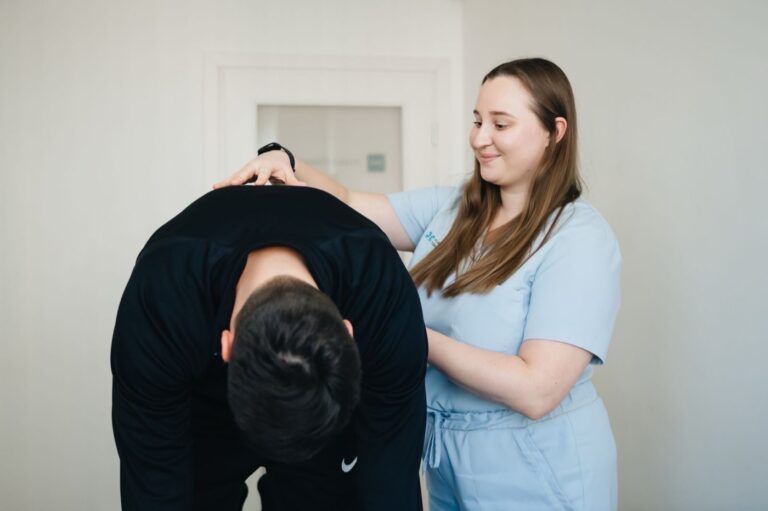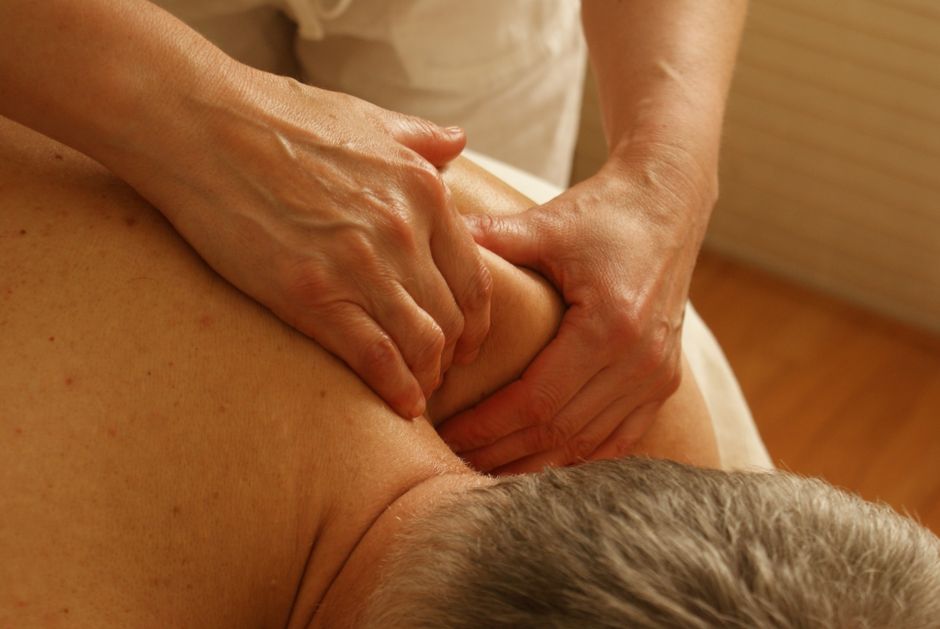
The main deep tissue massage benefits are easing long-standing muscle tension, supporting relief from some types of chronic pain, helping you move more freely and supporting recovery after hard exercise. It uses slow, firm pressure on deeper muscle layers, so mild soreness for a day or two afterwards is the most common side effect.
This article covers what deep tissue massage may help with, the side effects to know about, what happens in a session and how to care for your body afterwards. Our Milton clinic massage therapists adapt the pressure for every person, and the same principles apply wherever you book.
Key Takeaway: Deep tissue massage may help ease chronic muscle tension, some types of back and neck pain, and soreness after exercise. Side effects are usually mild, such as tenderness for 24 to 48 hours, but some people should avoid it or check with a doctor first. Gentle movement, heat and rest in the hours after a session can support comfort.
What Is Deep Tissue Massage?
Deep tissue massage is a form of massage therapy that uses slow strokes and sustained, firm pressure to work on the deeper layers of muscle and the connective tissue around them. It focuses on specific areas of tension rather than covering the whole body with flowing strokes.
Techniques Your Therapist May Use
Common techniques include slow stripping strokes along a muscle, sustained pressure on tight spots, and cross-fibre friction across a tendon or muscle. Therapists often use forearms, elbows or knuckles as well as their hands.
The pressure builds gradually, because muscles tend to tighten if firm pressure arrives too fast. Working slowly gives the tissue time to soften, which usually makes the session more comfortable.
Areas Commonly Treated
Deep tissue work is often used on the upper back and shoulders, the neck, the lower back, the hips and buttocks, and the legs. Many sessions focus on two or three areas rather than the whole body, so there is time to work slowly.
Your therapist chooses the areas based on where you feel tension and what they find during the assessment. Sometimes the area that feels tight is linked to a nearby muscle group, so they may work around the main spot as well.
How It Differs From Other Massage
Swedish massage uses lighter, flowing strokes mainly for relaxation, while deep tissue work is slower and more targeted. For an overview of other styles, see our guide to the types of massage therapy.
Deep tissue and sports massage are often confused, because both can use firm pressure. If you are weighing those two, our article on deep tissue vs sports massage explains how to choose.
What Are the Main Deep Tissue Massage Benefits?
Research on deep tissue massage on its own is limited, and many studies look at massage in general. With that in mind, these are the benefits people most often seek, and the evidence where it exists.
Relief From Chronic Muscle Tension
Long hours at a desk, repeated work tasks and stress can leave the neck, shoulders and back feeling tight and sore. Deep tissue massage may help ease this tension and make the area feel looser. Many people notice the change most once any soreness from the session has settled.
Support for Back and Neck Pain
A Cochrane review of massage for low back pain found that massage may improve pain in the short term compared with no treatment, although the quality of evidence was low.
Benefits tend to be more useful when massage is combined with exercise and advice to stay active. Deep tissue massage is most helpful as one part of a plan, not a cure on its own.
Easier Movement and Exercise Recovery
Easing tight muscles may help you move more freely through stretches and daily tasks. For active people, a 2017 meta-analysis in Frontiers in Physiology found that massage may reduce delayed onset muscle soreness after strenuous exercise.
Results vary from person to person. Pay attention to how your own body responds over the two or three days after a session, and share that with your therapist.
Who Might Benefit From Deep Tissue Massage?
Deep tissue massage suits people who are comfortable with firmer pressure and have a specific area of tension. It is less suited to people who mainly want gentle relaxation.
Desk and Manual Workers
People who sit for long periods often develop tension across the upper back, neck and hips. Those in physical jobs may feel it in the lower back, forearms and shoulders. Deep tissue massage can support comfort, especially when paired with movement breaks and simple strengthening.
Regular breaks to stand, stretch and change position during the workday may help the effects of a session last longer. Your therapist can suggest one or two simple stretches that fit your routine.
Active People
Runners, cyclists, lifters and team sport players often book deep tissue work for tight calves, hips, hamstrings or shoulders. Timing matters, because the soreness afterwards can affect a hard session the next day. Many people book it on a rest day or early in a lighter week.
Avoid trying deep tissue massage for the first time right before a race or game. It is wiser to learn how your body responds during a quieter training period.
People With Long-Standing Stiffness
Some people have areas that have felt tight for months, often after an old injury or a long period of inactivity. Deep tissue massage, alongside exercise from a physiotherapist, may help these areas feel easier to move. Your therapist will ask about past injuries and any scars before working on them.
What Are the Side Effects of Deep Tissue Massage?
Most side effects are mild and short-lived. Knowing what is normal can help you tell the difference between expected soreness and something that needs attention.
Common and Expected Effects
| Effect | What it usually feels like | What may help |
|---|---|---|
| Muscle soreness | Tender, like after a workout, for 24 to 48 hours | Gentle movement, heat, light stretching |
| Tiredness | Feeling sleepy or heavy after the session | Rest and a lighter rest of the day |
| Mild bruising | Small tender marks, which are uncommon | Tell your therapist so pressure can be adjusted |
| Mild headache | Dull ache, sometimes after neck work | Water, rest and gentle neck movement |
Less Common Reactions
Some people feel lightheaded when they first sit up, so take your time getting off the table. Pressure near an irritated nerve can cause brief tingling, which should settle quickly.
Serious harm from massage is rare. It is more likely with very forceful pressure or when a health condition is missed, which is why your health history matters.
Who Should Avoid or Adapt Deep Tissue Massage
- Blood clots: A current or recent deep vein thrombosis
- Bleeding risk: Bleeding disorders or blood-thinning medication
- Recent injury or surgery: Fractures, fresh injuries or recent surgery in the area
- Fragile bones: Osteoporosis or other conditions that weaken bone
- Skin problems: Open wounds, infections, rashes or recent burns
- Feeling unwell: Fever or a current infection
- Needs adapting: Pregnancy, cancer treatment, or diabetes with reduced sensation
If any of these apply, tell your therapist before the session and check with your doctor when you are unsure. A gentler style may suit you better for now.
Is Deep Tissue Massage Supposed to Hurt?
Deep tissue massage can feel intense in tight spots, but it should not be painful in a sharp or unbearable way. More pain does not mean more benefit.
Using a Pressure Scale
Many therapists use a simple 0 to 10 scale, where 0 is no discomfort and 10 is the worst you can imagine. Aim for a level where you can still breathe slowly and keep your muscles relaxed. If you start holding your breath or tensing up, ask for lighter pressure.
Why Firm Pressure Can Feel Uncomfortable
Tight or overworked muscles are often more sensitive to pressure than relaxed ones. That sensitivity can make a spot feel tender during the massage, even when nothing is wrong with the tissue.
Discomfort that eases as the therapist holds pressure is usually a normal response. Discomfort that builds, spreads or makes you brace is a sign to lighten the pressure.
Signs to Ask Your Therapist to Stop
- Sharp pain: Sharp, burning or shooting pain rather than a strong ache
- Nerve symptoms: Numbness or pins and needles that does not settle
- Feeling unwell: Feeling faint, dizzy or sick
- Joint pain: Pain that seems to come from a joint rather than the muscle
A good therapist will welcome this feedback. Speaking up helps them find the right pressure for you.
What Should You Expect in a Session?
Knowing the steps can help you relax, and a relaxed body usually responds more comfortably to firm pressure.
Before the Massage
Your therapist will ask about your health history, medications, injuries and goals, and may check how you move. They explain which areas they plan to treat and ask for your consent. You can also say which areas you would rather avoid.
Wear comfortable clothing and allow a few extra minutes for the first visit. If you are tired, unwell or have just finished a hard workout, mention it, because your therapist may adjust the plan.
During the Massage
The session usually starts with lighter strokes to warm the tissues before pressure builds. Your therapist checks in regularly and adjusts to your feedback. You stay covered with a sheet, except for the area being worked on.
Right After the Massage
Sit up slowly and take a moment before standing. Your therapist may show you a stretch or two for the treated areas and suggest how soon to book again, based on how your body responded.
How Should You Care for Your Body After Deep Tissue Massage?
Simple aftercare can help you feel more comfortable and get more from the session.
The First 24 Hours
- Keep moving gently: An easy walk can reduce stiffness
- Use warmth: A warm shower or heat pack on sore areas may feel soothing
- Eat and drink normally: Have water and a regular meal
- Go easy on training: Avoid hard workouts or heavy lifting with the treated muscles if you can
What About Flushing Out Toxins?
You may hear that deep tissue massage releases toxins that need to be flushed out with water. There is no good evidence for this idea. Soreness is more likely a normal response to firm pressure on muscle, and drinking water is sensible but not a special detox step.
Planning Your Next Session
Notice how you feel over the following two days, then share that with your therapist next time. Some people book a short series for a specific problem, then space sessions further apart. Our guide on how often to get a massage describes common patterns.
When Should You See a Doctor or Go to Emergency?
Most soreness after massage fades within a day or two. A few signs need medical care rather than rest.
Go to Emergency or Call 911
- Possible blood clot: A calf or leg that becomes swollen, red, warm and painful
- Chest symptoms: Sudden chest pain or shortness of breath
- Severe muscle pain with dark urine: Worsening muscle pain with dark or cola-coloured urine
- Stroke warning signs: Sudden weakness, numbness, facial drooping or difficulty speaking
See Your Doctor
Book a doctor’s visit if soreness lasts longer than a few days, keeps getting worse, or comes with large bruises or swelling. See a doctor too if your original pain changes, spreads down an arm or leg, or comes with fever or unexplained weight loss.
These are not normal reactions to massage. Let your massage therapist know as well, so they can adjust any future treatment.
Trying Deep Tissue Massage
Deep tissue massage may help ease stubborn tension and support recovery when it is matched to the right person and the right timing. Clear communication about pressure and a little aftercare can make the experience more comfortable.
Your Next Step
If you would like to find out whether it suits you, read more about our deep tissue massage therapy service, or book an assessment online at our Milton clinic.