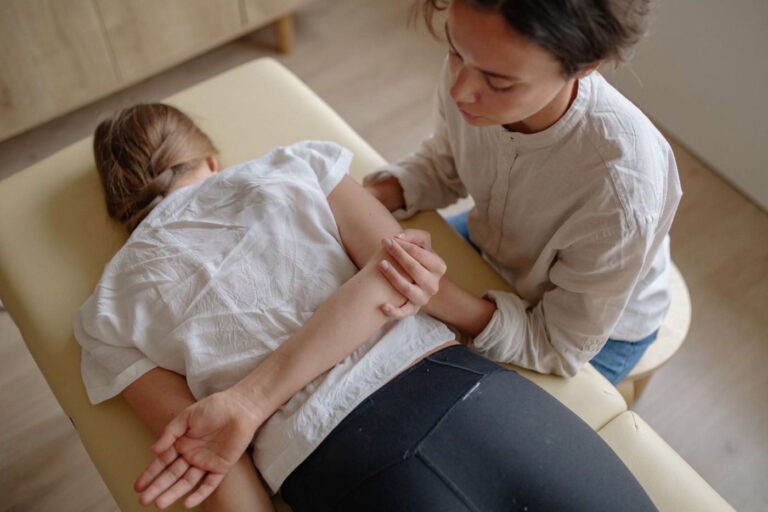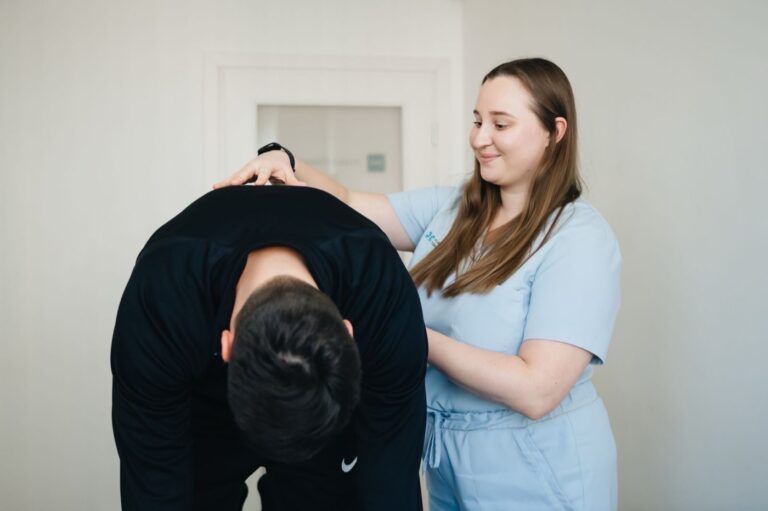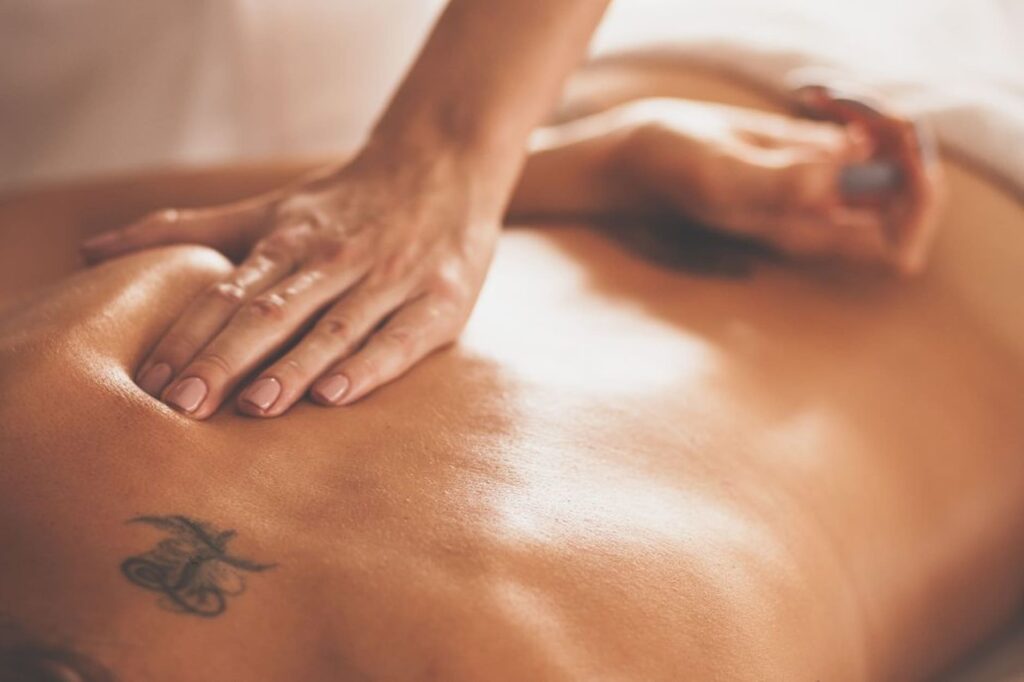
The difference in deep tissue vs sports massage comes down to purpose and timing. Deep tissue massage uses slow, firm pressure to ease long-standing tension in specific areas. Sports massage is planned around your training and events, changing pace and pressure depending on whether you are preparing, competing or recovering.
This article compares the two side by side, explains when each one fits and helps you choose for your goals. Massage therapists at our Milton clinic often blend both, so knowing the difference helps you ask for what you need.
Key Takeaway: Deep tissue massage targets chronic tightness with slow, sustained pressure and suits anyone with stubborn tension, whether or not they play sport. Sports massage is built around physical activity, using brisk work before events and recovery-focused work after. If you train regularly, the right choice often depends on where you are in your training week.
What Is the Difference Between Deep Tissue and Sports Massage?
Deep tissue massage is a massage style that uses slow, firm pressure on deeper muscle layers to ease chronic tension, while sports massage is a massage approach tailored to the demands of sport and exercise. One is defined mainly by its technique, the other by its purpose.
Deep Tissue Massage in Brief
Deep tissue work focuses on a few specific areas, such as the upper back or hips, rather than the whole body. Therapists use slow strokes, sustained pressure and friction, often with forearms or elbows.
For a closer look at what it may help with, its side effects and aftercare, see our article on deep tissue massage benefits.
Sports Massage in Brief
Sports massage draws on several techniques, including gliding strokes, compression, kneading, deep tissue work and stretching. The therapist chooses them based on your sport, the muscles you load most and your next training session or event. Pressure can range from light and quick to deep and slow.
Where They Overlap
The two are not completely separate. A sports massage after a heavy training block may include deep tissue techniques on tight calves or hips.
Equally, a deep tissue session for a runner will naturally focus on the muscles that running loads most. The labels describe the main goal of the session more than a fixed set of moves.
Deep Tissue vs Sports Massage: How Do They Compare?
The table below sets out the main differences at a glance. Your own session may blend features from both columns.
Side-by-Side Comparison
| Feature | Deep tissue massage | Sports massage |
|---|---|---|
| Main purpose | Ease chronic tension and stiffness | Support training, events and recovery |
| Pressure | Firm and slow throughout | Varies from light and brisk to firm |
| Techniques | Slow strokes, sustained pressure, friction | Compression, strokes, stretching and some deep work |
| Who it suits | Anyone with stubborn tightness | People who train or play sport |
| Timing | Any time, ideally away from hard sessions | Planned around training and competition |
| How you feel after | Often tender for a day or two | Depends on the phase; pre-event work should leave you fresh |
How Each Session Feels
A deep tissue session tends to be slow and quiet, with long periods of focused pressure on one area. A sports massage often moves faster and may include assisted or active stretching, where you contract or move a muscle while the therapist guides it.
Both should stay within a level of pressure you can relax into. If you find yourself holding your breath or bracing, ask for a lighter touch.
What the Research Says About Each
Most research looks at massage after exercise rather than comparing named styles directly. A 2018 meta-analysis of recovery techniques found massage was among the more effective options for reducing muscle soreness and perceived fatigue after exercise.
A 2020 review of sports massage in BMJ Open Sport and Exercise Medicine found small improvements in flexibility and soreness, but no clear effect on performance itself. Massage may help you feel ready to train, but it does not replace good training and rest.
Which Techniques Does Each Type Use?
The techniques overlap, but the mix and the pace are different. Knowing the common terms can help you describe what you want.
Common Deep Tissue Techniques
- Stripping: Slow, firm strokes along the length of a muscle
- Sustained pressure: Holding still on a tight spot until it starts to ease
- Cross-fibre friction: Short strokes across a muscle or tendon
- Forearm work: Broad, steady pressure over large muscles such as the back or thighs
Common Sports Massage Techniques
- Compression: Rhythmic pressing into large muscles, often used before events
- Brisk strokes: Faster gliding and kneading to warm the tissues
- Assisted stretching: The therapist moves a limb to stretch a muscle group
- Muscle energy techniques: You gently contract a muscle against resistance, then relax into a stretch
Self-Care Between Sessions
Whichever type you choose, simple self-care can help between appointments. A foam roller or massage ball lets you work on calves, thighs and hips at home.
Keep the pressure moderate and move slowly over tender areas rather than pressing hard on one spot. Your therapist can show you a short routine that suits your sport or daily routine.
When Does Deep Tissue Massage Fit?
Deep tissue massage often suits people whose main concern is ongoing tightness rather than training performance.
Long-Standing Tension
If one area has felt tight for weeks or months, such as the neck from desk work or the lower back from lifting at work, deep tissue massage targets that spot directly. It does not require you to play sport. Many people who never train still choose it for tension linked to posture or stress.
Pairing deep tissue sessions with regular movement, such as walking and simple strength work, may help the effects last longer. Massage can ease the tension, while movement helps your body handle the daily load.
Between Training Blocks
Active people may choose deep tissue work during a lighter week or the off-season. That timing allows any soreness to settle before hard training returns. It also gives a chance to work on stubborn areas that built up during a long season.
When You Prefer Slow, Focused Work
Some people simply prefer the slow pace of deep tissue massage. If you like time on one or two areas and are comfortable with firmer pressure, it may suit you even if you are active. Tell your therapist which areas matter most so the session time goes where you need it.
When Does Sports Massage Fit?
Sports massage often suits people who train regularly and want treatment timed around their sport.
Before an Event
Pre-event sports massage is short, brisk and usually lighter. It aims to help you feel loose and ready rather than to work deeply on tight spots, so deep pressure is generally avoided right before competition.
Firm, slow work too close to an event can leave muscles feeling heavy or tender. If you want deep work, plan it well ahead of race day.
Our article on pre-event vs recovery sports massage explains how the timing and techniques change around a race or game.
After an Event or Hard Training
Recovery-focused sports massage is often booked in the days after a race, game or heavy session. Pressure is usually moderate at first, because muscles can be tender straight after hard effort.
The aim is to help you feel less stiff and sore as you return to training. Gentle movement, sleep and good nutrition remain the main drivers of recovery, with massage as a support.
In-Season Maintenance
During a long season, regular sports massage may help you notice tight areas before they become a problem. Your therapist can adjust the focus as your training changes, such as calves during a running build or shoulders during swim season. It works well alongside strength training and enough rest.
How Do You Choose Between Deep Tissue and Sports Massage?
A few simple questions can point you to the right option. Your therapist can also combine parts of both in one appointment.
Questions to Ask Yourself
- Your main goal: Is it a stubborn area of tightness, or support for your training?
- Your schedule: Do you have a race, game or hard session in the next two days?
- Your response to pressure: How do you usually feel after firm massage?
- Your injury status: Is there a recent injury that needs assessment first?
Match the Choice to Your Week
- Event within a day or two: A light pre-event sports massage, or none at all
- A day or two after a race or game: A gentle recovery sports massage
- Lighter training week: Deep tissue work on stubborn areas
- Off-season: Deep tissue or maintenance sports massage, depending on your goals
- No sport, chronic desk tension: Deep tissue massage
When Massage Alone Is Not Enough
If tightness keeps returning or pain limits your sport, massage alone may not address the cause. A physiotherapy assessment can look at strength, movement and training load.
For muscle injuries in particular, a staged plan matters more than any single massage. Our guide to hamstring strain grades and return to sport shows how that kind of plan works.
How Often Should You Book Each Type?
There is no fixed schedule for either type. The right frequency depends on your goals, your training load and how your body responds.
Deep Tissue Frequency
People with a specific area of tension sometimes book a short series of sessions closer together, then space them out as the area improves. Others book occasionally when tension builds up. Leave enough time between sessions for any soreness to settle fully.
Sports Massage Frequency
Sports massage frequency usually follows your training calendar. Some athletes book regularly during heavy training, while others book only around key events. A useful approach is to plan sessions into your training week, the same way you plan rest days.
When Should You See a Doctor or Go to Emergency?
Massage is for muscle tension and recovery, not for new or serious injuries. Some symptoms need a doctor before any type of massage.
Get Emergency Care
- Serious injury: A suspected broken bone, a dislocated joint, or being unable to bear weight
- Head injury: Confusion, vomiting or a worsening headache after a knock to the head
- Possible blood clot: A calf that is suddenly swollen, red, warm and painful
- Chest symptoms: Chest pain, fainting or severe shortness of breath during or after exercise
Check With a Doctor First
See your doctor before booking if you have a recent blood clot, a bleeding disorder, recent surgery, or a fresh injury with a lot of swelling or bruising. A sudden pop or sharp pain during sport also needs assessment before any firm work on that area.
Your massage therapist may postpone or adapt treatment based on your health history. This protects you and keeps the session safe.
What Happens at Your Appointment?
Whichever style you choose, the appointment starts with a short conversation so your therapist can plan the session.
Telling Your Therapist What You Need
Share your sport, training schedule, upcoming events and any areas that feel tight or sore. Mention whether you prefer firmer or lighter pressure and how you have felt after past massages. This lets your therapist choose the right mix of techniques for that day.
If your needs change partway through, say so. You might arrive wanting deep work on your back, then realize your legs feel heavier after a long run that week.
What a Massage Therapist Can and Cannot Do
In Ontario, massage therapists assess and treat the soft tissues and joints of the body, within a defined scope of practice. They do not diagnose medical conditions, so they will suggest a doctor or physiotherapist when something needs further assessment.
Choosing the Right Massage for Your Training
Deep tissue and sports massage share many techniques, but they serve different goals. Deep tissue focuses on stubborn tension, while sports massage follows the rhythm of your training and competition.
Your Next Step
If you are unsure which fits, a massage therapist can help you decide at your first visit. Learn more about our sports massage service, or book an assessment online at our Milton clinic.