Acupuncture uses very fine, sterile needles placed at chosen points on the body. In physiotherapy, it is used to ease pain, settle tight muscles and make exercise easier to do. This guide explains which conditions it may help, how it is thought to work, and what a typical session involves.
Key Takeaway: Acupuncture is most often used for back pain, neck pain, osteoarthritis, tension headaches and muscle or tendon pain. It may help by changing how nerves send pain signals, easing muscle tension and improving local blood flow. It works best as one part of a wider plan that includes exercise and hands-on care.
What Is Acupuncture?
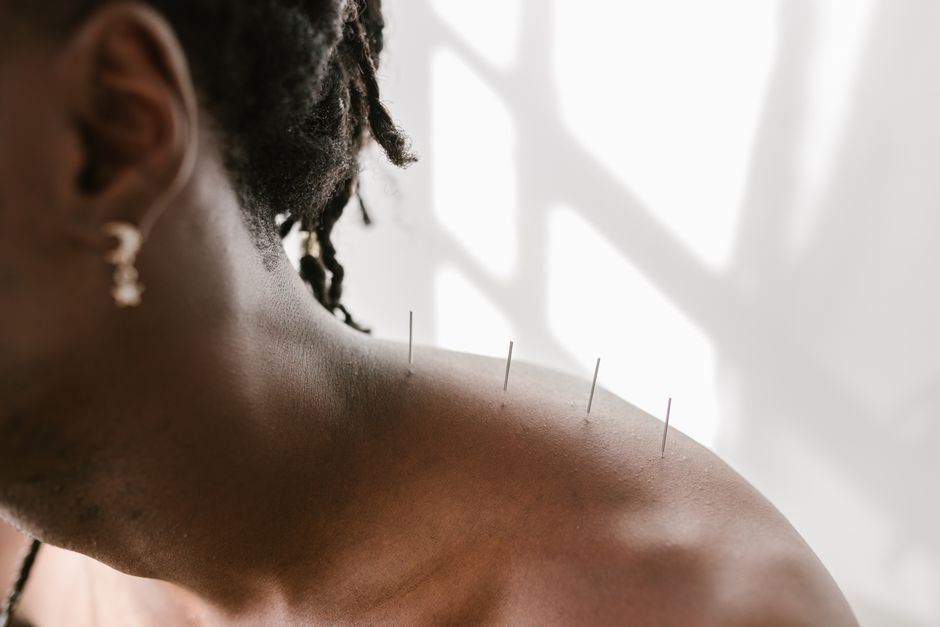
Acupuncture involves inserting thin, single-use needles through the skin at specific points. The needles are much finer than the ones used for injections or blood tests. They usually stay in place for 15 to 30 minutes while you rest.
How Physiotherapists Use Acupuncture
In a physiotherapy setting, acupuncture is used alongside other care rather than on its own. The aim is to reduce pain enough that you can move, exercise and return to normal activity. Point selection is based on your assessment, your symptoms and how your body responds.
Acupuncture and Dry Needling
Some practitioners combine traditional acupuncture points with dry needling, which targets tight bands within a muscle. The two use similar needles but differ in their background and goals. Our guide to the difference between dry needling and acupuncture explains both in detail.
What Conditions Does Acupuncture Treat?
Acupuncture is mainly used for pain and muscle problems. The sections below cover the conditions people ask about most often.
Common Pain Conditions
- Chronic low back pain: May ease pain and relax tight muscles along the spine
- Neck pain and whiplash: May reduce muscle spasm and stiffness after a strain or injury
- Osteoarthritis: May reduce joint pain, especially in the knee, so walking and exercise feel easier
- Shoulder pain: Often used alongside exercise for rotator cuff problems and stiff shoulders
- Sciatica: May ease nerve pain that travels from the lower back into the leg
- Tennis and golfer’s elbow: Used to calm sore tendons while strengthening work continues
- Fibromyalgia: Some people find it eases widespread pain and helps them sleep better
Headaches and Migraines
Tension headaches often come from tight muscles at the base of the skull, the sides of the head and the upper shoulders. Acupuncture can target these areas directly. A Cochrane review of tension-type headache found that acupuncture may help reduce how often headaches happen in people who get them frequently.
A separate Cochrane review on migraine suggests acupuncture may reduce how often attacks occur, and may work about as well as some preventive medicines with fewer side effects reported. If headaches are your main concern, a headache treatment program can combine acupuncture with neck care and posture work.
Sports Injuries and Tendon Pain
After a muscle strain or ligament sprain, acupuncture may help settle pain and muscle guarding so you can start rehab exercises sooner. It does not replace the gradual loading and strengthening that injured tissue needs to heal. For long-standing tendon problems, it is sometimes combined with other treatments your physiotherapist may suggest.
Pain After an Accident or Surgery
Whiplash and other injuries from a car crash often leave muscle spasm and stiffness that can last for weeks. Acupuncture can be part of motor vehicle accident rehabilitation, easing pain so that manual therapy and exercise are easier to tolerate.
After surgery, some people use acupuncture to help manage pain and reduce how much pain medicine they need. This should only start once your surgeon is happy for you to begin rehab.
How Does Acupuncture Work?
Researchers are still studying exactly how acupuncture works. Current evidence points to a few main effects on nerves, muscles and blood flow.
Changing Pain Signals
Needle insertion stimulates nerve fibres that send signals to the spinal cord and brain. Research suggests this can trigger the release of endorphins and other natural pain-relieving chemicals. These chemicals may dampen pain signals, which is why some people feel relief during or soon after a session.
Brain imaging studies have also shown changes after acupuncture in areas involved in processing pain. This supports the idea that the effect goes beyond simple relaxation.
Easing Muscle Tension
When a needle is placed into a tight band of muscle, the muscle may twitch briefly and then relax. Less muscle tension means less pull on nearby joints and tendons. This is the main idea behind dry needling, which is often part of an acupuncture session in a physiotherapy clinic.
Improving Local Blood Flow
Acupuncture may increase blood flow around the area where needles are placed. Better circulation brings oxygen and nutrients to the tissue. This may be helpful for tendons, which tend to have a poor blood supply.
What Does the Research Say?
Acupuncture has been studied widely for pain. The evidence is strongest for some chronic pain conditions and headaches.
Chronic Pain
A large analysis published in The Journal of Pain in 2018 pooled patient data from many trials of acupuncture for chronic pain. It found acupuncture worked better than both usual care and sham acupuncture for back, neck, shoulder and osteoarthritis pain. Most of the benefit was still present about a year later.
The improvements were moderate rather than dramatic, and results vary from person to person. For a closer look, read our article on acupuncture for chronic pain.
Where the Evidence Is Less Clear
For some conditions, studies are small or results are mixed. Acupuncture is best seen as a helpful tool for pain, not a cure on its own. Your physiotherapist can tell you whether it is a sensible option for your condition before you begin.
What to Expect at an Acupuncture Session
A session follows a simple routine. Knowing the steps ahead of time can make your first visit feel easier.
Step by Step
- Assessment: Your physiotherapist asks about your symptoms and health history and checks for any reason to avoid needling
- Positioning: You lie or sit comfortably on the treatment table
- Needle placement: Fine, sterile, single-use needles are placed through the skin
- Rest: The needles usually stay in for 15 to 30 minutes
- Removal: The needles are taken out and the area is checked
- Follow-up: You may be given exercises or advice to continue at home
How It Feels
Most people feel a small pinch as the needle goes in, then a dull ache, heaviness or tingling. Many find the rest period calming. Our guide to what acupuncture feels like at a first session covers this in more detail.
How Many Sessions You May Need
Recent problems may improve within 2 to 4 sessions. Longer-standing pain often needs 6 to 10 sessions over 4 to 6 weeks, usually once or twice a week at first. Benefits tend to build over several visits, and sessions are then spaced out as you improve.
Is Acupuncture Safe?
When done by a trained practitioner with sterile, single-use needles, acupuncture is generally considered safe. Serious side effects are rare.
Common Side Effects
The most common side effects are mild and short-lived:
- Bruising: A small bruise or spot of bleeding at a needle site
- Soreness: Brief aching in the treated area
- Tiredness: Feeling sleepy or light-headed for a short time after treatment
When Extra Care Is Needed
Tell your practitioner if you are pregnant, take blood thinners, have a bleeding disorder, have a pacemaker or feel very anxious about needles. During pregnancy, certain points are avoided. Your practitioner will screen for these factors before treatment starts.
How Acupuncture Fits With Other Treatment
Acupuncture tends to work best when it is paired with treatment that builds strength and movement. On its own, the relief may not last.
Common Combinations
- Exercise rehab: With pain eased, you can do strengthening exercises with better form
- Manual therapy: Relaxed muscles can make joint mobilization more comfortable
- Massage therapy: Massage can help maintain the muscle release from needling
- Home exercise: A simple daily routine helps the benefits last between visits
Keeping Results Going
Once pain is under control, many people move to less frequent sessions or stop altogether. Staying active and keeping up home exercises is often what keeps pain from coming back.
Is Acupuncture Right for You?
If you are wondering whether acupuncture could help your pain, a short assessment is the best place to start. At Tonic Physiotherapy in Milton, our team can check whether it suits your condition and explain how it would fit into your plan. You can read more about our acupuncture therapy or call (905) 878-7775 with any questions.