An osteopath is a hands-on practitioner who assesses and treats muscle, joint and movement problems using soft tissue work, stretching and gentle joint movement. In Ontario they are usually called osteopathic manual practitioners. They differ from chiropractors, who focus mainly on spinal and joint adjustments, and from physiotherapists, who rely more on exercise-based rehabilitation.
If you are choosing between these professions, the differences can feel unclear. This guide explains what an osteopath does, what to expect at a visit and how osteopathy compares with chiropractic and physiotherapy.
Key Takeaway: Osteopaths use manual techniques to ease pain and improve movement, and the evidence is best for back and neck pain. In Ontario, osteopathy is not a regulated health profession, while chiropractors and physiotherapists are, so it helps to ask about training. Choose the approach that suits your problem and your comfort.
What does an osteopath do?
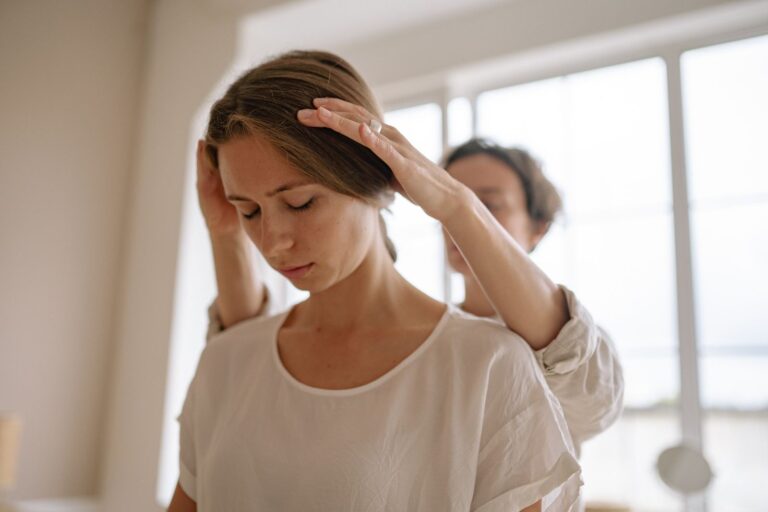
An osteopath is a manual therapist who looks at how your muscles, joints and connective tissues work together, then uses hands-on techniques to ease pain, reduce stiffness and improve movement. Treatment is guided by your history, your examination and your goals. Many sessions also include advice on posture, activity and home exercises.
Techniques osteopaths use
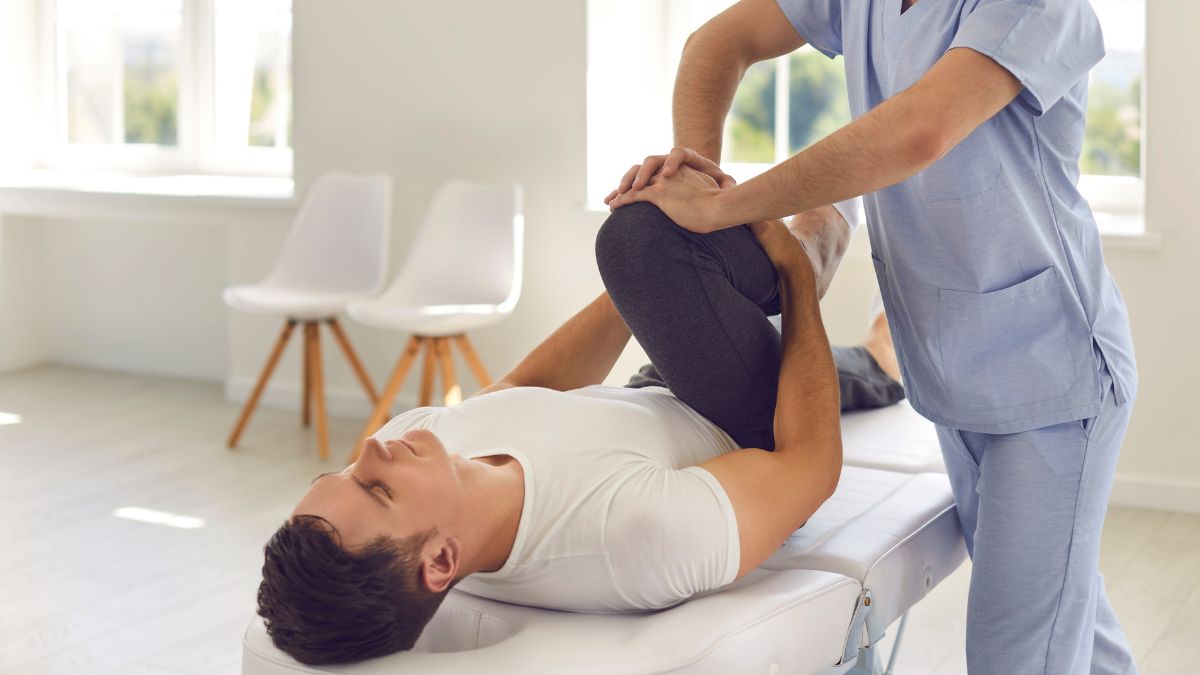
The NHS describes osteopathy as using massaging and stretching to treat injuries, improve movement and relieve pain. In practice, treatment may include:
- Soft tissue techniques, such as kneading and pressure on tight muscles
- Stretching of muscles and the tissues around joints
- Joint mobilization, which moves a joint gently through its range
- Muscle energy techniques, where you gently push against resistance
- Advice on posture, ergonomics and exercises to continue at home
The osteopathic approach
Osteopaths often describe the body as connected, so a problem in one region may relate to strain elsewhere. For example, a stiff mid-back may add load to the neck. This way of thinking guides how they assess you, though the idea that it changes outcomes is still being studied.
What the evidence says
An overview of systematic reviews on osteopathic manipulative treatment covered nine reviews, with 55 trials and 3,740 participants. It reported that this treatment was more effective than comparators for pain and function in non-specific low back pain, chronic non-specific neck pain and chronic non-cancer pain.
The same overview found questionable evidence for children’s conditions, primary headache and irritable bowel syndrome. It also rated the quality of the reviews as low or critically low, so results should be read with caution.
Is an osteopath regulated in Ontario?
No, osteopathy is not one of the regulated health professions in Ontario. The Government of Ontario lists 27 regulated health professions, each overseen by a college, and osteopathy does not appear among them. Chiropractors, physiotherapists and massage therapists are on that list.
What that means for you
Without a regulatory college, there is no single public register or complaints process for osteopaths in Ontario. Training and membership in professional associations vary between practitioners. This does not mean osteopaths are unsafe, but it makes it more important to ask questions before you book.
Questions worth asking
- Where did you train, and how long was the program?
- Which professional association are you a member of?
- Do you carry professional liability insurance?
- What conditions do you treat, and when do you refer on?
- Will my insurance accept your receipts?
Is an osteopath the same as an osteopathic doctor?
No, the title “osteopath” means different things in different countries, which causes confusion. In the United States, a Doctor of Osteopathic Medicine is a licensed physician who can prescribe medication and perform surgery. In Ontario, an osteopathic manual practitioner is a manual therapist and is not a medical doctor.
What this means in Ontario
An osteopathic manual practitioner here does not prescribe medication, order medical treatment or replace your family doctor. Their role is hands-on assessment and treatment of musculoskeletal pain and movement problems. For a medical diagnosis, tests or medication, you still need a physician or nurse practitioner.
Why the difference matters when you read online
Overseas articles may describe osteopaths with broader powers than a practitioner has in Ontario. Check what a service actually offers before you book. If a provider promises to treat serious medical conditions with manual therapy alone, ask for the evidence.
What conditions do osteopaths treat?
Osteopaths most often see people with muscle and joint pain and stiffness. Common reasons for a visit include back pain, neck pain, shoulder tension, joint stiffness, sports strains and postural aches from desk work. Our post on common conditions treated by osteopaths goes into more detail.
Where manual osteopathy is most often used
- Low back pain and stiffness
- Neck pain and tension
- Muscle tightness and overuse aches
- Joint stiffness and reduced range of movement
- Postural strain from work or daily habits
Problems that need a doctor first
Some symptoms are not suitable for manual treatment until a doctor has checked them. These include unexplained fever, unexplained weight loss, pain that is worse at night and not eased by position, and numbness or weakness that is getting worse. A good practitioner will screen for these and refer you when needed.
What happens at your first osteopathy visit?
A first visit usually lasts longer than follow-ups and starts with a detailed conversation. Your practitioner then examines how you move and gives treatment if it is appropriate. You can ask questions and stop at any time.
Wear comfortable clothing you can move in, and bring a list of your medications and any scan reports or notes from other clinicians. Think about what you most want to change, such as sleeping through the night or sitting at your desk without pain.
History and examination
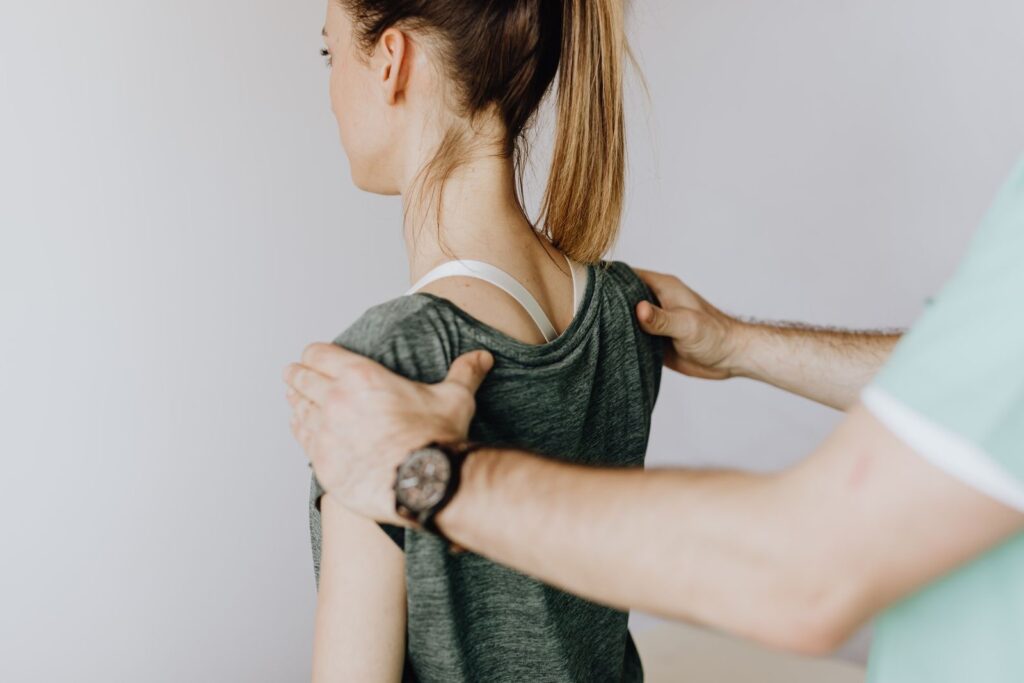
You will be asked about your symptoms, medical history, medications, work and activities. The practitioner then watches you move, checks joint motion and feels the muscles and tissues around the painful area. You may be asked to undress to underwear or a gown, or to wear loose clothing.
Treatment and advice
If treatment is suitable, it may start at the first visit. Pressure is adjusted to your comfort, and you should be told what is being done. You usually leave with advice on activity, posture and simple movements to try at home.
How many visits you may need
The number of visits depends on your problem, how long you have had it and how you respond. Your practitioner should explain a plan and review progress at set points. If you are not improving as expected, they should adjust the approach or refer you on.
Osteopath vs chiropractor vs physiotherapist: what is the difference?
All three professions treat muscle and joint problems, and their work overlaps. The main differences are regulation, the techniques each relies on and how much rehabilitation exercise is involved. The table below summarises them for Ontario.
| Profession | Regulation in Ontario | Main approach |
|---|---|---|
| Osteopath | Not a regulated health profession | Soft tissue work, stretching and joint mobilization |
| Chiropractor | Regulated by the College of Chiropractors of Ontario | Spinal and joint adjustments, plus other care |
| Physiotherapist | Regulated by the College of Physiotherapists of Ontario | Assessment, exercise rehabilitation, education and manual therapy |
You can book any of the three without a doctor’s referral, although some insurers ask for one before they will reimburse a claim.
Osteopath vs chiropractor
The Government of Ontario describes chiropractors as assessing conditions of the spine, nervous system and joints and treating them primarily by adjustment. Osteopaths tend to use a wider mix of soft tissue work, stretching and gentler joint movement. Many people choose based on technique preference, and the College of Chiropractors of Ontario provides information about chiropractic.
Osteopath vs physiotherapist
Physiotherapists use manual therapy too, but they usually add exercise programs, education and graded return to activity as central parts of care. Our guide to manual osteopathy vs physiotherapy compares the two in more depth.
How to choose
Think about what you want from treatment. If you prefer hands-on care for stiffness and tension, osteopathy may suit you. If you want a structured recovery plan after an injury, physiotherapy may be a better first step, and many people use both.
Our article on physiotherapy vs chiropractic vs massage can help you weigh the options.
Does osteopathy hurt?
Osteopathic treatment should not be sharply painful. You may feel pressure or a stretch, and tender areas can feel sore as they are worked on. Say so if something is uncomfortable, and your practitioner can change the technique.
Will an osteopath crack my joints?
Some techniques produce a popping sound, which is thought to be gas moving within a joint and is not a sign of damage. Many osteopathic techniques are gentler and do not involve any popping. You can always decline a technique you are not comfortable with.
Is osteopathy safe?
Osteopathy is generally considered low risk when it is done by a trained practitioner who screens you first. Mild soreness, stiffness or tiredness for a day or two is the most common effect. Serious problems are rare.
Common and rare effects
The overview of osteopathic treatment reported no adverse events in most of the reviews it included. Even so, any hands-on therapy can cause temporary soreness. Tell your practitioner if pain increases or feels different from what you expected.
Who needs extra care
The NHS says chiropractic or osteopathy may not be safe if you take blood-thinning medicines or are at increased risk of bleeding or stroke. It also names very weak or seriously damaged bones or joints, and conditions that affect the nerves, such as peripheral neuropathy. Tell your practitioner about your full health history before treatment starts.
Is osteopathy covered by insurance in Ontario?
OHIP does not generally cover osteopathy at private clinics. Some extended health benefit plans do include it, but rules differ from plan to plan. Check your own policy before booking, so there are no surprises.
Questions to ask your insurer
- Is osteopathy or osteopathic manual practice a covered service?
- Do you need a doctor’s note or referral?
- Are there rules about the practitioner’s credentials?
- What are the per-visit and yearly limits?
- Can the clinic bill you directly, or do you claim afterwards?
Receipts and records
Ask for an itemised receipt after each visit, and keep it with your claim paperwork. Our fees page explains how billing works at the clinic. Insurance details change, so rely on your plan documents rather than general advice.
When should you see a doctor?
See a doctor before, or instead of, an osteopath if you have symptoms that could point to something serious. Pain after a fall or accident, or pain with fever, needs medical attention first. Manual therapy is for musculoskeletal pain, not for problems that need diagnosis.
Go to emergency or call 911 if
Seek emergency care for chest pain, sudden severe headache, weakness on one side of the body, trouble speaking, or new loss of bladder or bowel control. Go straight away if you have numbness around the groin or inner thighs together with back pain, or leg weakness that is quickly getting worse.
See a doctor soon if
- Pain follows a significant fall, car accident or sports collision
- You have pain with unexplained fever or weight loss
- Pain wakes you at night and does not ease with position changes
- Numbness, tingling or weakness is spreading
- Pain has not improved after several weeks of sensible care
In Ontario, you can call Health811 at 8-1-1 for free advice from a registered nurse.
How can osteopathy at Tonic Physio in Milton help?
At Tonic Physio, our osteopathic manual practitioner uses hands-on techniques to ease pain and stiffness and works alongside our physiotherapists and massage therapists when that helps. Our manual osteopathy service in Milton starts with a thorough assessment.
What you can expect
- A clear discussion of your history, symptoms and goals
- Gentle, adjustable hands-on treatment
- Advice on posture, movement and home exercises
- Referral to a doctor or another therapist if you need one
Booking
You do not need a referral to book. If you are unsure whether osteopathy, physiotherapy or another service is right for you, you can book an assessment online and we will help you choose.