Custom and OTC Bracing
A fitted knee brace that may add support and confidence during daily activity while the knee settles and strengthens.
A twist on the soccer pitch, a deep squat in the garden, or just standing up the wrong way can leave your knee swollen and catching. At Tonic Physio in Milton we work out how your meniscus is affected and guide you through recovery, whether or not surgery is on the table.
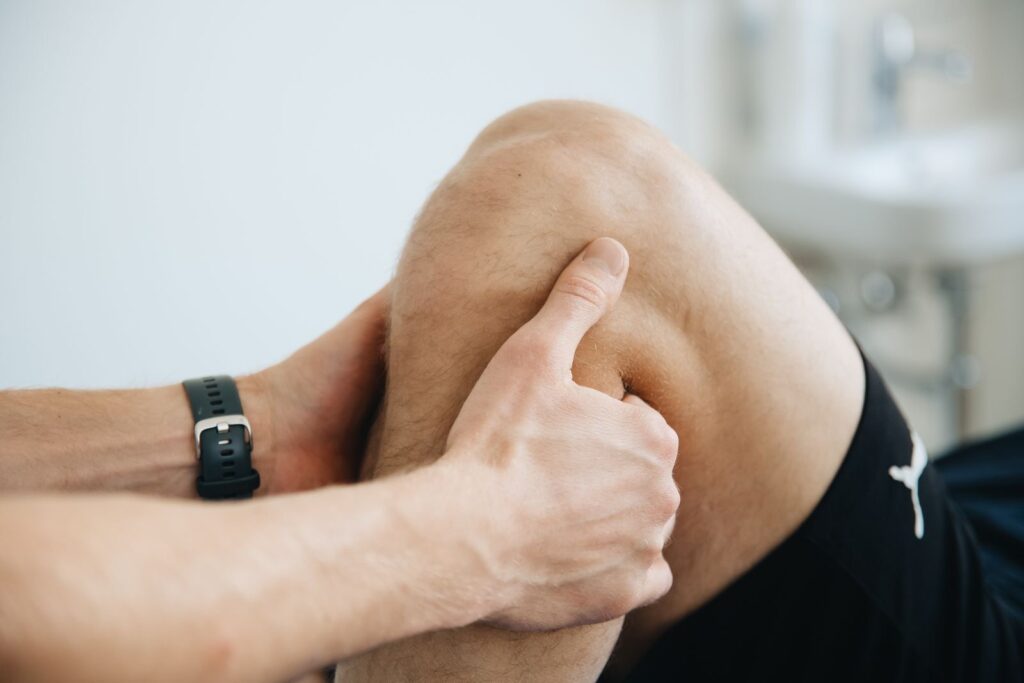
A meniscus tear is an injury to one of the two C-shaped pads of cartilage that sit between your thigh bone and shin bone. These pads, called the menisci, cushion the joint, spread load and help keep the knee stable.
Tears can happen suddenly, often when you twist on a planted foot during sport. They can also develop slowly, because the cartilage becomes less resilient with age, so even a simple squat can cause a tear in someone over 40.
Not all tears need surgery. Many settle with a well-planned exercise program, and others are repaired or trimmed when symptoms such as locking persist. This page focuses on the meniscus. For a general sore knee, see our knee pain page.
Meniscus tears fall into two main groups:
Other factors can raise the risk, including previous knee injuries, extra body weight, osteoarthritis, and jobs that involve deep squatting or kneeling. Weak thigh and hip muscles leave the knee less protected as well.
Your physiotherapist will examine the knee with specific tests, check strength and movement, and look at how your hip and foot affect the knee. If the signs suggest a significant tear or other injury, we will liaise with your doctor about imaging and next steps.
Book an assessment if your knee is swollen, catching or painful after a twist, or if sore knee symptoms last more than a week or two. You do not need a doctor’s referral to see a physiotherapist in Ontario.
See a doctor promptly if you have:
These signs may mean a displaced tear, a ligament injury, a fracture, infection or a clot. If we notice any during your assessment, we will refer you right away.
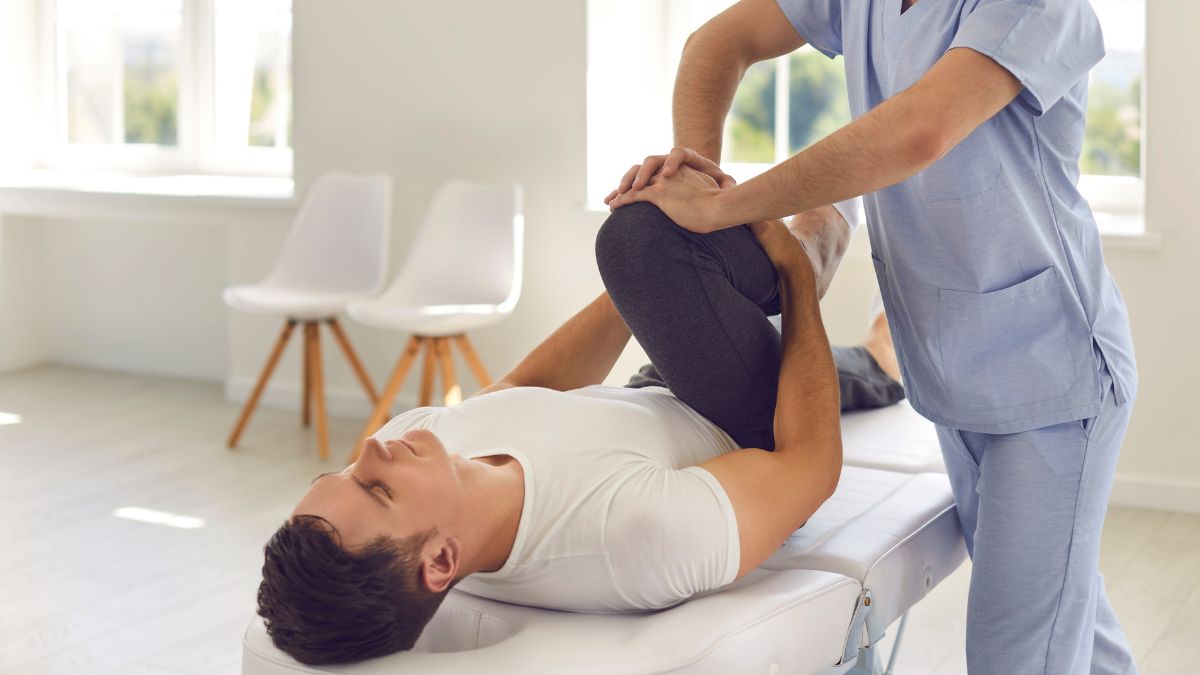
Your first visit starts with a careful history and a knee examination. We test movement, strength, stability and the specific meniscus signs, and check your hip and foot. Your physiotherapist will then build a plan that may combine strengthening and the treatments below, whether you are managing the tear without surgery or preparing for or recovering from an operation.
A fitted knee brace that may add support and confidence during daily activity while the knee settles and strengthens.
A strengthening program before an operation that can reduce swelling, restore movement and often makes recovery smoother.
A staged plan after a meniscus repair or trim that can protect the knee and restore walking, strength and range safely.
Strength, agility and landing drills that can prepare you to cut, pivot and jump again with more confidence.
Recovery depends on the type of tear, your age and whether you have surgery. Many people managing a tear without an operation notice clear improvement within 6 to 12 weeks, though strength and confidence continue to build after that.
If you have a partial meniscectomy (trimming), most people are walking comfortably within a few weeks and back to sport in 6 to 8 weeks. A meniscus repair is slower. Weight-bearing is restricted at first, and return to sport commonly takes 4 to 6 months, following your surgeon’s protocol.
Early visits are often weekly, and home exercises make up a large part of the plan. We will help you get back to walking, work and sport around Milton as soon as it is safe, and teach you how to protect the knee over the long term.






⭐⭐⭐⭐⭐ Outstanding Physiotherapy Experience – Highly Recommended! I am extremely happy with my experience at Tonic Physiotherapy and Rehabilitation. Sumi is absolutely amazing! She is professional, knowledgeable, informative, patient and genuinely caring. She takes the time to explain everything clearly and makes sure you feel comfortable and confident throughout your recovery.
I highly recommend Brenda and the entire team at Tonic! Brenda is incredibly knowledgeable, dedicated, and always goes above and beyond for her clients. She has been my go-to person through so many stages from training injuries and pre-race preparation to post-race recovery and, most recently, my recovery after surgery.
Ekta was kind and professional Physiotherapist. She is very knowledgeable about the body and made me feel safe. I highly recommend her for anyone looking for relief from body pain!!!
Amazing staff, clean environment very knowledgeable. 👍
I cannot say enough wonderful things about Tonic Physiotherapy in Milton! I have been working with this incredible team for the past two years following an MVA (motor vehicle accident), and I am genuinely grateful for the care, dedication, and expertise they have shown me throughout this journey. Randy, the osteotherapist, has been such a tremendous help to me.
My wife and I have been coming here for years, and we’ve always had a great experience. Brenda and her team are great at what they do—professional, friendly, and consistently delivering excellent service. Their commitment to their patients is unmatched.
I've had very effective sessions with Jacqueline for knee and hip inflammation with great progress. I've also had a thorough and detailed orthotics assessment with Randy. Great staff all around!
I decided to stop seeing my previous physiotherapist a few years ago because I wasn’t experiencing the improvement I had hoped for. I was recently referred to Tonic, and I’m so glad I went. After only a few treatments with Jacqueline, I noticed a significant improvement in how I felt. Jacqueline is knowledgeable and thorough.
Brenda and her team provide excellent treatment! Thank you for your extraordinary services and for being a positive, fun and healing environment.
Excellent and worth the oesteopathy service from Randy. Highly recommended.
I've never been so happy to pay someone to put me through pain. My mobility is slowly returning after years of neglect. Great staff, great facility and great therapists.
I had physio by Naiya and Sumithra for my Knee, Shoulder/Elbows, Wrist and my Thumb that were injuried side walk plowing Milton Sidewalks. I Had great results. I am impressed by the friendly staff and the fact they spend time on actually on hands physio. They are the best in opinion.
Google rating 4.8 of 5, based on 151 reviews
It depends on where the tear is. The outer third has a good blood supply and can heal. The inner portion heals poorly, but many people still do well without surgery by building strength and managing load.
Not always. Many tears, especially degenerative ones, improve with physiotherapy. Surgery is considered when the knee locks, or when symptoms persist after a good trial of exercise. Your doctor or surgeon will advise.
Usually yes, with changes. Walking, cycling and strength work are often fine, while deep squats and twisting may need to be limited for a while. We will tell you what is safe for you.
After a trim, many people are back to light activity within weeks. After a repair, recovery is longer, often 4 to 6 months, with restricted weight-bearing at first.
Deep squatting, kneeling, pivoting and twisting on a planted foot tend to bother a torn meniscus most. We will help you modify these until the knee is stronger.
No. You can book directly with a physiotherapist at Tonic Physio. If your insurer asks for a doctor’s note first, we can tell you what it needs.
Most extended health plans include physiotherapy, and we bill most insurers directly. Our Fees page lists current rates and the plans we work with.
Book your assessment online, or call and our front desk will help you choose the right therapist.