Orthopedic Physiotherapy
A graded loading program for the forearm and shoulder, with hands-on care, that can rebuild tendon strength and calm pain over time.
Pain on the outside of the elbow can turn a coffee cup, a door handle or a keyboard into a struggle. At Tonic Physio in Milton we calm the irritated tendon and rebuild its strength, so your arm can do its everyday work again.
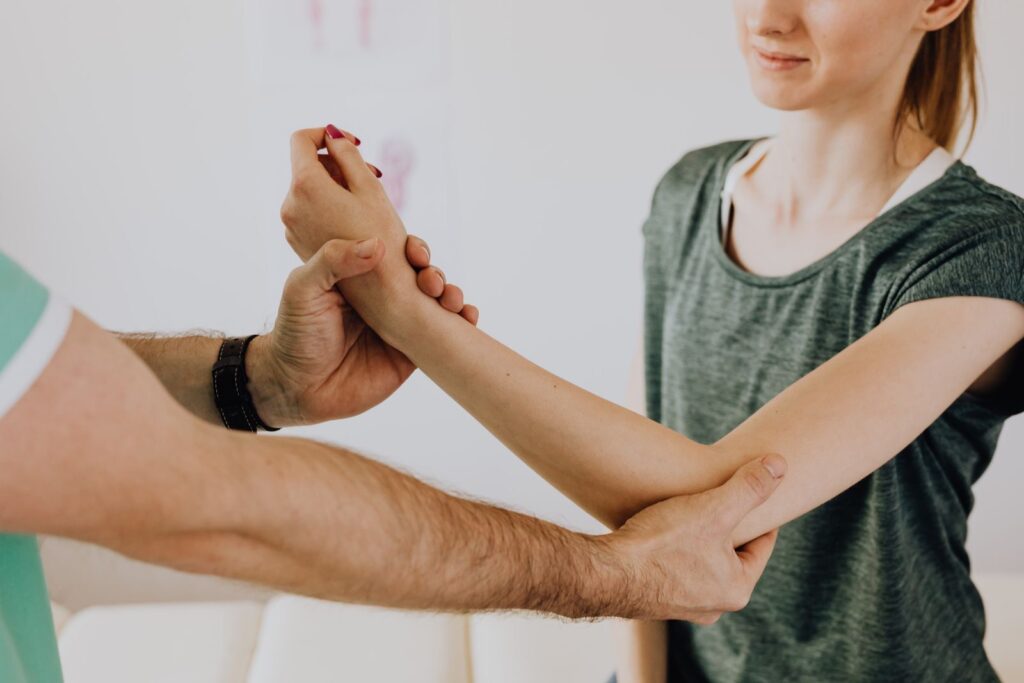
Tennis elbow, also called lateral epicondylitis or lateral elbow tendinopathy, is an overload problem in the tendons that attach the wrist and finger extensor muscles to the bony bump on the outside of the elbow. These muscles lift your wrist and open your hand, and they work whenever you grip.
When the tendon is asked to do more than it can handle, it becomes irritated and less able to tolerate load. The pain is usually felt on the outer elbow and can spread into the forearm.
Despite the name, most people with tennis elbow have never held a racquet. It affects painters, tradespeople, desk workers and gardeners just as often. Most cases improve with the right loading program and hands-on care.
Tennis elbow develops when repeated gripping or wrist work exceeds what the tendon is conditioned for. Common triggers are:
It is most common between ages 35 and 55. Your physiotherapist will check the elbow, wrist, shoulder and neck to find what is driving the overload. If your pain is more general around the elbow, see our elbow pain page.
Book an assessment if outer elbow pain lasts more than a couple of weeks, keeps coming back, or affects your work or sport. You do not need a doctor’s referral to see a physiotherapist in Ontario.
See a doctor promptly if you have:
These signs can mean a fracture, tendon rupture, nerve problem, infection or a heart issue that needs urgent care. If we notice any during your assessment, we will refer you right away.
Your first visit starts with a close look at the elbow, wrist, shoulder and neck. We test grip strength, pain with resisted movement and how your work or sport loads the arm. Your physiotherapist then builds a plan that may combine progressive strengthening, hands-on care and the treatments below.
A graded loading program for the forearm and shoulder, with hands-on care, that can rebuild tendon strength and calm pain over time.
Focused sound waves that may help stimulate repair and ease pain in tendon cases that have lingered for months.
Thin needles in tight forearm muscles that can reduce the pull on the tendon and settle trigger-point pain.
Hands-on pressure combined with movement that may free tight forearm tissue and improve how the muscles glide.
A counterforce strap or brace that can take some load off the tendon during work or sport while it recovers.
Tennis elbow can be slow to settle, because tendons recover gradually. Many people notice improvement within 6 to 8 weeks of starting a proper loading program, and full recovery commonly takes 3 to 6 months. Some stubborn cases take up to a year, so patience and steady work matter.
Pain usually eases first with daily tasks, followed by gripping and lifting. We adjust your work and sport so the tendon is challenged without being flared, rather than telling you to stop everything.
Home exercises are a core part of treatment, mostly wrist and forearm strengthening done a few times a week. We will also look at your desk, tools and grip, so you can return to the garden, the keyboard or the court around Milton with less risk of a relapse.





⭐⭐⭐⭐⭐ Outstanding Physiotherapy Experience – Highly Recommended! I am extremely happy with my experience at Tonic Physiotherapy and Rehabilitation. Sumi is absolutely amazing! She is professional, knowledgeable, informative, patient and genuinely caring. She takes the time to explain everything clearly and makes sure you feel comfortable and confident throughout your recovery.
I highly recommend Brenda and the entire team at Tonic! Brenda is incredibly knowledgeable, dedicated, and always goes above and beyond for her clients. She has been my go-to person through so many stages from training injuries and pre-race preparation to post-race recovery and, most recently, my recovery after surgery.
Ekta was kind and professional Physiotherapist. She is very knowledgeable about the body and made me feel safe. I highly recommend her for anyone looking for relief from body pain!!!
Amazing staff, clean environment very knowledgeable. 👍
I cannot say enough wonderful things about Tonic Physiotherapy in Milton! I have been working with this incredible team for the past two years following an MVA (motor vehicle accident), and I am genuinely grateful for the care, dedication, and expertise they have shown me throughout this journey. Randy, the osteotherapist, has been such a tremendous help to me.
My wife and I have been coming here for years, and we’ve always had a great experience. Brenda and her team are great at what they do—professional, friendly, and consistently delivering excellent service. Their commitment to their patients is unmatched.
I've had very effective sessions with Jacqueline for knee and hip inflammation with great progress. I've also had a thorough and detailed orthotics assessment with Randy. Great staff all around!
I decided to stop seeing my previous physiotherapist a few years ago because I wasn’t experiencing the improvement I had hoped for. I was recently referred to Tonic, and I’m so glad I went. After only a few treatments with Jacqueline, I noticed a significant improvement in how I felt. Jacqueline is knowledgeable and thorough.
Brenda and her team provide excellent treatment! Thank you for your extraordinary services and for being a positive, fun and healing environment.
Excellent and worth the oesteopathy service from Randy. Highly recommended.
I've never been so happy to pay someone to put me through pain. My mobility is slowly returning after years of neglect. Great staff, great facility and great therapists.
I had physio by Naiya and Sumithra for my Knee, Shoulder/Elbows, Wrist and my Thumb that were injuried side walk plowing Milton Sidewalks. I Had great results. I am impressed by the friendly staff and the fact they spend time on actually on hands physio. They are the best in opinion.
Google rating 4.8 of 5, based on 151 reviews
Most people improve within a few months, and full recovery commonly takes 3 to 6 months. Tendons heal slowly, so steady strengthening is important. Early care often shortens the time.
No. Total rest can make the tendon weaker and less able to tolerate load. A better approach is to reduce the aggravating tasks while doing controlled strengthening, which we will guide you through.
Yes, and most people do. Any repeated gripping or wrist movement, such as typing, painting or using tools, can overload the tendon.
That is a decision for you and your doctor. Research suggests injections may give short-term relief but are not better than physiotherapy over the long run, and may slow recovery for some people.
A counterforce strap can offer short-term relief during tasks that normally hurt. It works best alongside strengthening, not as a replacement for it.
No. You can book directly with a physiotherapist at Tonic Physio. If your insurer asks for a doctor’s note first, we can tell you what it needs.
Most extended health plans include physiotherapy, and we bill most insurers directly. Our Fees page lists current rates and the plans we work with.

Book your assessment online, or call and our front desk will help you choose the right therapist.