Running Injury Assessment
A look at your running form, cadence, shoes and training plan that can find what is overloading the shin and show you how to build back safely.
A dull, aching pain along your shin that shows up a few minutes into a run is a familiar story for new and seasoned runners alike. At Tonic Physio in Milton we find why the shin is overloaded and help you get back to training safely.
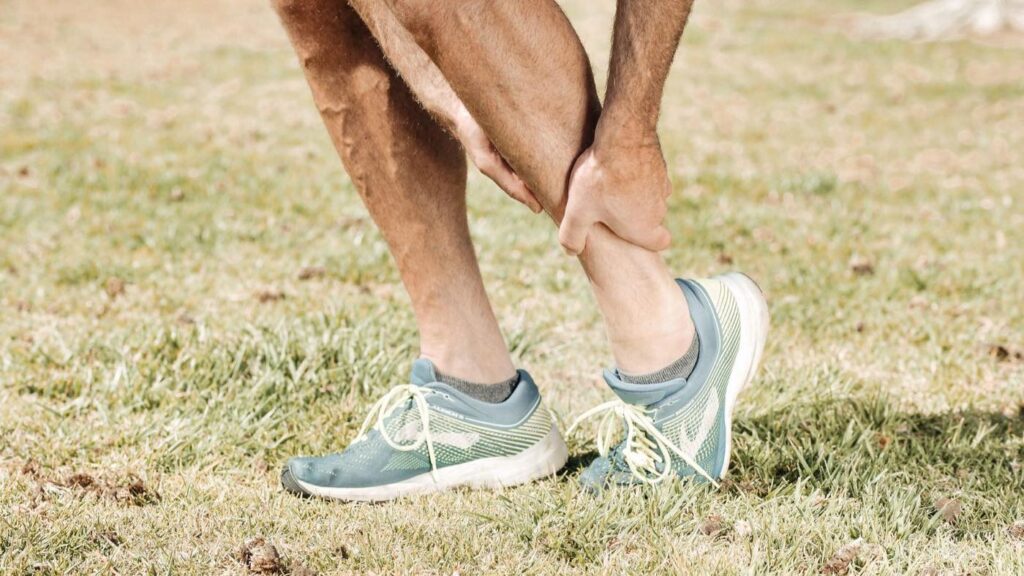
Shin splints, known medically as medial tibial stress syndrome, are pain along the inner edge of the shinbone. The pain comes from stress and irritation where muscles and connective tissue attach to the bone, and from the bone itself reacting to repeated load.
Shin splints usually appear when you do more than your legs are ready for, such as increasing your distance, adding hills or starting a new sport on hard ground. The pain often begins as a mild ache at the start of exercise, then can become constant if the load continues.
The good news is that most cases settle well once the load is managed and the lower leg is strengthened. It is important to tell shin splints apart from a stress fracture, and your physiotherapist will help you do that.
Shin splints develop when the load on the lower leg grows faster than it can adapt. The most common contributors include:
Shin splints are common in runners, dancers, military recruits and people who start a new fitness program. Your physiotherapist will review your training, shoes and running style, and test your strength and flexibility to find what is behind the overload.
Book an assessment if shin pain lasts more than a week or two, keeps returning, or forces you to cut back your training. You do not need a doctor’s referral to see a physiotherapist in Ontario.
See a doctor promptly if you have:
These signs may point to a stress fracture, a blood clot or compartment syndrome. If we notice any during your assessment, we will refer you to your doctor right away.
Your first visit starts with a close look at your lower leg, ankle, foot and hips, and a review of your training and shoes. We test calf and shin strength, check for tender spots and watch how you walk, squat and land. Your physiotherapist then builds a plan that may combine load management, strengthening and the treatments below.
A look at your running form, cadence, shoes and training plan that can find what is overloading the shin and show you how to build back safely.
Custom foot supports that may improve alignment and absorb shock when flat or rolling feet add to the strain on the shin.
Graduated compression that can ease the heavy, achy feeling in the lower leg after runs and during recovery.
Calf, foot and hip strengthening with a gradual return-to-run plan that can help you train again without a flare-up.
Most people with shin splints improve within 3 to 6 weeks of properly managing the load, though some take 8 to 12 weeks. Stress reactions or fractures take longer, which is why a careful assessment matters.
You usually do not need to stop moving entirely. We often swap running for cycling, swimming or pool running while the shin settles, then build back to running in small steps. Pain should stay mild and fade soon after you finish.
Strengthening for the calves, feet and hips is the backbone of long-term recovery, and you will do much of it at home. Once you are running again, we will show you how to increase distance gradually, so your Milton trail runs are more comfortable and the pain is less likely to return.






⭐⭐⭐⭐⭐ Outstanding Physiotherapy Experience – Highly Recommended! I am extremely happy with my experience at Tonic Physiotherapy and Rehabilitation. Sumi is absolutely amazing! She is professional, knowledgeable, informative, patient and genuinely caring. She takes the time to explain everything clearly and makes sure you feel comfortable and confident throughout your recovery.
I highly recommend Brenda and the entire team at Tonic! Brenda is incredibly knowledgeable, dedicated, and always goes above and beyond for her clients. She has been my go-to person through so many stages from training injuries and pre-race preparation to post-race recovery and, most recently, my recovery after surgery.
Ekta was kind and professional Physiotherapist. She is very knowledgeable about the body and made me feel safe. I highly recommend her for anyone looking for relief from body pain!!!
Amazing staff, clean environment very knowledgeable. 👍
I cannot say enough wonderful things about Tonic Physiotherapy in Milton! I have been working with this incredible team for the past two years following an MVA (motor vehicle accident), and I am genuinely grateful for the care, dedication, and expertise they have shown me throughout this journey. Randy, the osteotherapist, has been such a tremendous help to me.
My wife and I have been coming here for years, and we’ve always had a great experience. Brenda and her team are great at what they do—professional, friendly, and consistently delivering excellent service. Their commitment to their patients is unmatched.
I've had very effective sessions with Jacqueline for knee and hip inflammation with great progress. I've also had a thorough and detailed orthotics assessment with Randy. Great staff all around!
I decided to stop seeing my previous physiotherapist a few years ago because I wasn’t experiencing the improvement I had hoped for. I was recently referred to Tonic, and I’m so glad I went. After only a few treatments with Jacqueline, I noticed a significant improvement in how I felt. Jacqueline is knowledgeable and thorough.
Brenda and her team provide excellent treatment! Thank you for your extraordinary services and for being a positive, fun and healing environment.
Excellent and worth the oesteopathy service from Randy. Highly recommended.
I've never been so happy to pay someone to put me through pain. My mobility is slowly returning after years of neglect. Great staff, great facility and great therapists.
I had physio by Naiya and Sumithra for my Knee, Shoulder/Elbows, Wrist and my Thumb that were injuried side walk plowing Milton Sidewalks. I Had great results. I am impressed by the friendly staff and the fact they spend time on actually on hands physio. They are the best in opinion.
Google rating 4.8 of 5, based on 151 reviews
Most cases settle within 3 to 6 weeks of managing training load, though some take longer. Continuing to push through pain often drags the process out.
Often you can run less, or swap some runs for low-impact exercise. We will set a limit on pain during and after your run, and adjust it as you improve.
Pain at a single, very sore spot on the bone, which hurts when you hop or at rest, is a warning sign. Your physiotherapist will examine you and may suggest imaging with your doctor.
They can. Running shoes lose their cushioning after several hundred kilometres. Bring your current pair to your visit, and we can check wear and fit.
Not everyone does. Orthotics can help when foot posture is part of the problem. We only recommend them when your assessment shows a clear reason.
No. You can book directly with a physiotherapist at Tonic Physio. If your insurer asks for a doctor’s note first, we can tell you what it needs.
Most extended health plans include physiotherapy, and we bill most insurers directly. Our Fees page lists current rates and the plans we work with.

Book your assessment online, or call and our front desk will help you choose the right therapist.