One of the first questions people ask before starting osteopathy is how many sessions they will need. The honest answer is that it depends on your condition, how long you have had it and how your body responds. This guide explains typical session numbers, what happens at each visit, how progress is judged and when treatment should end.
Key Takeaway: Recent problems often improve in 2 to 3 osteopathy sessions, while long-standing pain usually needs 5 to 8 sessions over 2 to 3 months. Sessions are often weekly at first, then spaced out as you improve. Your practitioner should reassess you at every visit and agree clear goals, so you know when treatment can stop.
How Many Osteopathy Sessions Do Most People Need?
There is no fixed number that suits everyone. Still, most treatment plans fall into a few common patterns. If you are new to osteopathy, our guide to osteopathy for whole body health explains what the treatment is and how it works.
Recent Problems
A problem that started in the last few weeks, such as a stiff neck after sleeping awkwardly or back pain after lifting, often settles in 2 to 3 sessions. Recent strains tend to respond quickly because the body has not yet built up long-term guarding and stiffness around the area.
Long-Standing Problems
Pain that has been present for months or years usually takes longer. A typical plan for a chronic problem is 5 to 8 sessions over 2 to 3 months. Each visit builds on the last, so improvement is often gradual rather than sudden.
What Affects the Number of Sessions
- How long you have had the problem: Older problems usually need more visits
- How many areas are involved: Pain in several areas takes longer to work through than one sore spot
- Your daily demands: Long hours at a desk, heavy lifting or repetitive work can slow progress
- Your general health: Sleep, stress, activity levels and other health conditions all play a part
- Home exercise: People who keep up their stretches and exercises between sessions often need fewer visits
- Age: Older adults may respond well but often benefit from a gentler, slower pace
If you are an older adult, our article on gentle osteopathy techniques for seniors explains how treatment is adapted.
What Happens in an Osteopathy Session?
Knowing what each visit involves can help you plan your time and feel at ease. The first session is different from the ones that follow.
Your First Appointment
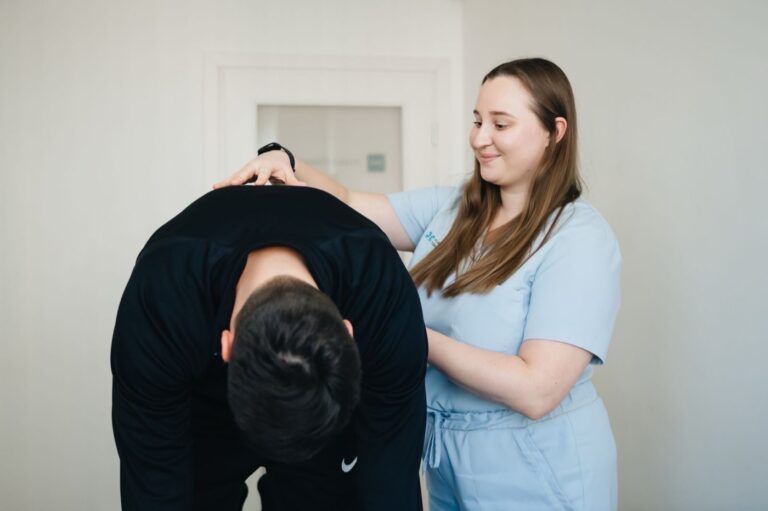
The first visit includes a full assessment followed by hands-on treatment. It usually takes longer than follow-up visits.
- Health history: Your practitioner asks about your pain, past injuries, surgeries and general health
- Postural assessment: Standing and walking checks show how your body is aligned and how you move
- Palpation: The practitioner uses their hands to feel for tight or restricted tissue
- Mobility testing: Gentle movement tests show which joints and areas are not moving well
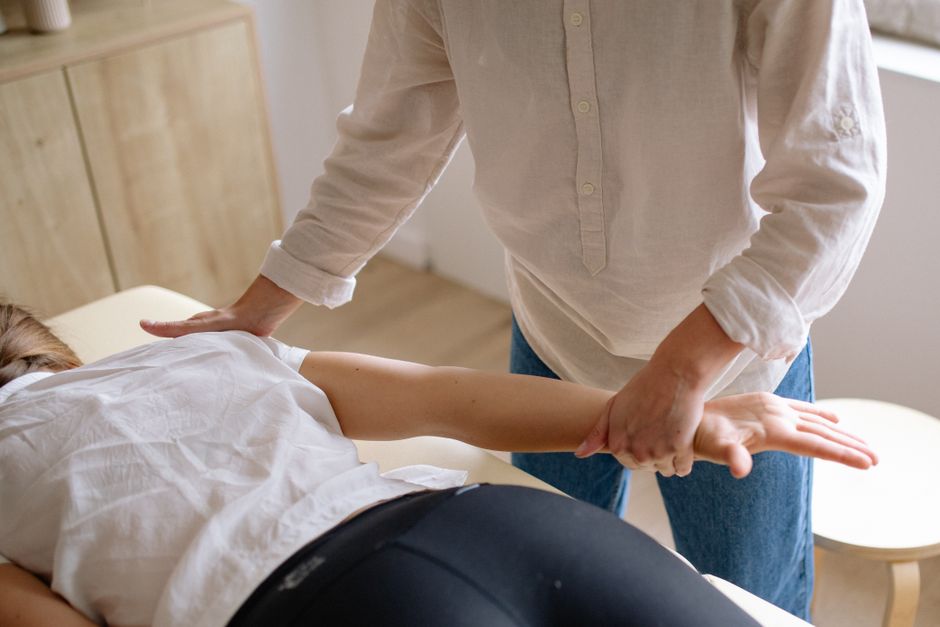
- Treatment: Gentle manual techniques are used to ease the restrictions found
- Plan and advice: You receive guidance on movement, posture and self-care, and a suggested number of visits
Follow-Up Sessions
Follow-up visits start with a short check-in about how you felt since the last session. Your practitioner then retests the areas that were stiff or sore and adjusts the treatment to match. Most of the visit is spent on hands-on care.
How Treatment Feels
Many people are surprised by how gentle osteopathic treatment is. Some feel relief during the session, while others notice gradual improvement over the next 2 to 3 days as the body adjusts. Tell your practitioner straight away if anything feels too firm or uncomfortable.
How Often Should You Book Osteopathy?
Session frequency usually changes as you move through treatment. The pattern below is common, but your plan should be based on your own response.
The Active Phase
Most people start with weekly sessions. This gives the body time to respond between visits while keeping enough momentum for steady progress. For a very painful or recent problem, two visits in the first week are sometimes suggested.
Spacing Sessions Out
As pain eases and movement improves, sessions are usually moved to every two weeks. Spacing visits out is a sign of progress, not a step back. It also lets you see how well your body holds the changes on its own.
Maintenance Visits
Some people choose an occasional visit every month or two once their main problem has settled. This is optional. It can suit people with physically demanding jobs or a history of flare-ups, but it should never be presented as something you must do.
How Is Progress Judged?
Good treatment has clear goals, and progress should be checked against them regularly. You should never feel unsure whether treatment is helping.
Signs That Treatment Is Working
- Less pain: Pain is lower, or it comes less often
- Better movement: You can turn, bend or reach further than before
- Daily tasks: Activities such as driving, lifting or sitting at a desk are easier
- Better sleep: Pain wakes you less during the night
- Shorter flare-ups: When pain does return, it settles faster than it used to
Reassessment at Each Visit
Your practitioner should retest your movement and ask about your symptoms at every session. These checks show whether the plan is on track or needs changing. A fuller review after the first 3 to 4 sessions is a good point to confirm the plan.
Tracking Your Own Progress
A simple record can help you and your practitioner see change over time. Rate your pain from 0 to 10 each day and note one or two activities that are difficult, such as climbing stairs. Bring these notes to your sessions.
When Should You Stop or Change Treatment?
Osteopathy should have an end point. Knowing when to stop, or when to try something different, is part of a good plan.
When Your Goals Are Met
Treatment can usually stop once you are back to your normal activities and can manage any remaining stiffness with home exercises. Your practitioner should discuss this with you openly rather than booking visits with no clear purpose.
When Progress Stalls
If there is little or no change after 3 to 4 sessions, your plan should be reviewed. A different approach, such as exercise-based physiotherapy, may suit you better. Our article on manual osteopathy vs physiotherapy explains how the two compare.
Symptoms That Need a Doctor
Some symptoms need medical attention rather than more manual therapy. See your doctor promptly if you notice any of the following:
- Numbness, tingling or weakness that is spreading or getting worse
- Loss of bladder or bowel control, or numbness around the groin
- Back pain with fever or unexplained weight loss
- Severe pain at night that does not ease with rest or changing position
- Pain after a fall or accident that is getting worse
Nerve pain into the leg can take longer to settle than simple back pain. Our guide to osteopathy for sciatica and leg pain explains what to expect with that kind of problem.
Aftercare: What to Do Between Sessions
What you do between visits has a big effect on how many sessions you need. Simple aftercare helps the changes from each session last.
The First 24 to 48 Hours
Mild soreness or tiredness for a day or two after treatment is common and usually settles on its own. Stay gently active, as walking often helps more than resting. Avoid heavy exercise on the day of treatment and drink water as normal.
Home Exercises and Daily Habits
- Do your exercises: A few minutes of the stretches or movements you were given, most days
- Change position often: Get up from your desk or the sofa every 30 to 45 minutes
- Check your setup: Raise your screen to eye level and keep your phone up rather than looking down
- Keep moving: Regular walking supports recovery for most back and neck problems
When to Contact Your Practitioner
Get in touch if soreness lasts more than two days, feels worse than your original pain or comes with new symptoms. Your practitioner may adjust the techniques or pressure at your next visit.
Planning Your Osteopathy Treatment
If you would like to know how many sessions your own problem may need, an assessment is the best place to start. At Tonic Physiotherapy in Milton, your practitioner will check your movement, agree clear goals with you and review progress at every visit. You can read more about manual osteopathy at our clinic or call (905) 878-7775 with questions.
To see which problems osteopathy is often used for, read our guide to common conditions treated by osteopaths.