How to treat shin splints comes down to three steps: reduce the running that brings on the pain, ease your shins with ice or heat, and build calf, foot and hip strength. Most people improve within a few weeks, then return to running in steps. Sharp, pinpoint pain or pain at rest needs a doctor’s check.
Key Takeaway: Shin splints usually settle when you cut back the running that provokes them, keep your legs moving in comfortable ways and build calf, foot and hip strength. Return to running in small steps, guided by how your shins feel the next morning. Pinpoint pain on the bone, or pain at rest, needs a medical check.
What are shin splints?
Shin splints is the everyday name for pain along the inner edge of the shin bone, often called medial tibial stress syndrome. It is common in runners, dancers and anyone who suddenly adds walking, jumping or impact training. The NHS calls it a type of shin pain that is usually caused by exercise and is not serious.
What shin splints feel like
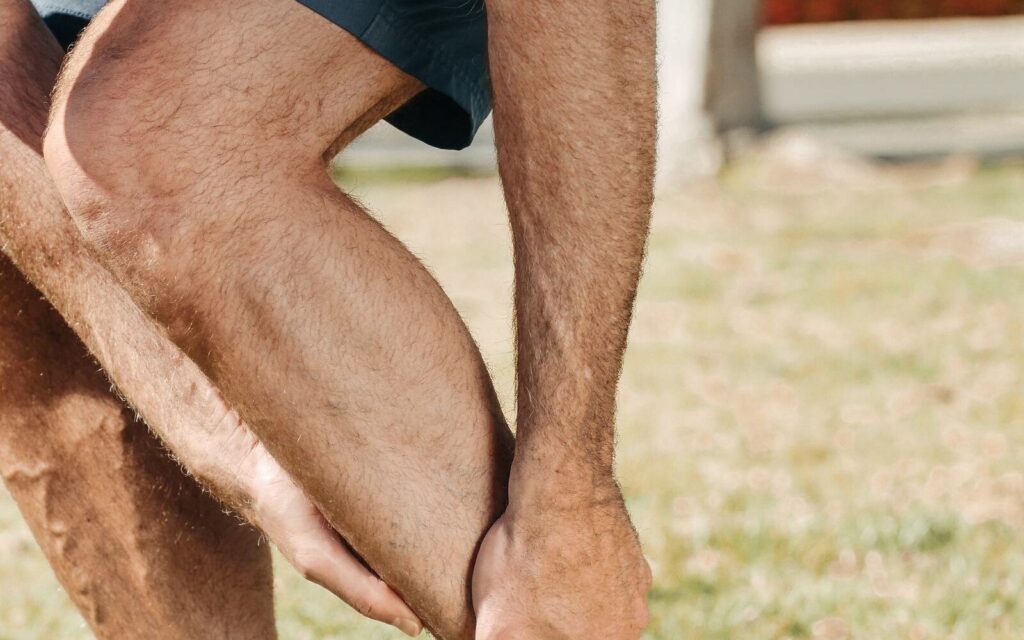
Most people notice a dull ache or tenderness along the lower two thirds of the inner shin. The pain often starts at the beginning of a run, eases as you warm up, and returns once you finish. Over time it may come on earlier or linger afterwards.
The area can feel sore when you press along the bone. Both legs can be affected, though one side is often worse.
Why the shin hurts
Researchers have not pinned down one exact cause. The leading explanation is that repeated loading overloads the muscles, the tissue wrapping the bone and the bone itself faster than they can adapt. That is why the practical answer is almost always to adjust load while building strength.
What causes shin splints?
Shin splints usually appear when the amount of impact rises faster than your legs can adapt. Usually several small factors stack up rather than one big mistake. Understanding yours helps you fix the right thing.
Training load that rises too fast
The most common trigger is a quick jump in distance, speed, hill work or number of running days. Starting a new sport, returning after a break, or beginning a spring or fall training block can all do it.
Our post on how to increase running mileage without injury explains a more flexible way to build than a fixed weekly increase.
Foot, calf and hip factors
A 2020 systematic review in novice and recreational runners listed risk factors such as foot pronation, navicular drop, higher pelvic tilt and greater hip internal rotation. The authors noted that the studies had biases and poor methodological quality, so these are associations, not certainties.
Tight or weak calf muscles may also add stress along the shin. A hands-on assessment can show whether any of these apply to you.
Surfaces, shoes and technique
Hard surfaces, worn shoes and a running style that lands heavily on the heel can all raise the load on the shin. The NHS lists hard surfaces, poor running technique and starting exercise after a period of inactivity among the usual causes.
If you run on Milton’s paved paths most days, mixing in softer trails, such as those around Kelso Conservation Area, can spread the load.
How do you treat shin splints?
Treatment is about calming the shin down while keeping you as active as is comfortable. It combines load changes, comfort measures, footwear and strength work. Most mild cases settle within a few weeks, according to the NHS.
Relative rest, ice and pain relief
Relative rest means reducing the activity that hurts, not stopping everything. Swap some runs for cycling, swimming, the elliptical or pool running, and keep walking if it is comfortable.
A common guide is to keep pain at about 3 out of 10 or lower during activity, and settled by the next morning. If a session pushes you past that, shorten or replace the next one.
The NHS suggests wrapping an ice pack in a towel and placing it on the shin for up to 20 minutes every 2 to 3 hours. Some people prefer heat before activity and ice afterwards, so use whichever feels better.
Over-the-counter pain relief can ease symptoms for some people. Check with a pharmacist or doctor first if you take other medicines or have health conditions.
Gentle self-massage of the calf with a foam roller or your hands may help you feel looser before exercise. Keep the pressure moderate and avoid rolling directly on the shin bone, which is often tender. If rolling makes the pain sharper, skip it and ask your physiotherapist for guidance.
Footwear, insoles and hands-on care
Shoes that have lost their cushioning may add load, and many runners replace them after several hundred kilometres. The 2020 review above found that arch-support foot orthoses and shockwave therapy both reduced pain in the studies it covered, though the evidence was limited.
If you wonder whether insoles suit your feet, our guide to custom orthotics versus drugstore insoles explains the difference.
Soft tissue work on the calf and shin muscles may ease tightness and help you tolerate exercise. Shockwave therapy is sometimes used for stubborn cases, usually alongside a strengthening plan. A physiotherapist can explain whether either is likely to help in your situation.
How long do shin splints take to heal?
The NHS says shin splints usually get better within a few weeks. Pain that has been present for months, or that returns every time you resume training, often needs a closer look at load, strength and footwear.
Recovery tends to be quicker when you act early. Pushing through pain for weeks can turn a short setback into a long one.
Expect gradual change rather than a sudden switch. Many people notice that pain at the start of a run eases first, while tenderness along the bone takes longer to settle. Jot down your pain score after each session so you can see the trend.
Can you keep running with shin splints?
Sometimes you can, with changes. The aim is to keep your fitness while the shins settle, rather than choosing between full rest and full training. How much running is safe depends on your pain and how it behaves afterwards.
When reduced running is reasonable
If pain is mild, warms up and fades during a run, and is not worse the next morning, shorter and slower runs on softer ground may be acceptable. Aim for fewer running days with a rest or cross-training day between them.
Avoid speed work, hills and long runs while symptoms are active. Those add the most load to the shin.
When to stop running for now
Stop running if pain builds steadily during a run, makes you change how you move, or stays at a higher level afterwards. Pain at rest, or a pinpoint tender spot on the bone, also means it is time to pause and get assessed.
Cycling, swimming and upper body or core training can keep your fitness up in the meantime.
Which exercises help shin splints?
Strength exercises for the calf, ankle, foot and hip help your lower leg absorb impact better. They work best when you do them two to three times a week, and when they stay comfortable. The ranges below are general starting points, not a prescription.
Calf and ankle strength
- Double-leg calf raise: rise onto your toes and lower slowly over 3 seconds, 2 to 3 sets of 10 to 15
- Bent-knee calf raise: the same movement with knees slightly bent to target the deeper soleus muscle, 2 to 3 sets of 10 to 15
- Tibialis anterior raise: lean against a wall with heels out, lift your toes toward your shins, 2 sets of 15 to 20
- Single-leg calf raise: progress to this once the double-leg version feels easy and pain free
Stop an exercise if it reproduces sharp shin pain. Reduce the range or the sets and try again after a day or two.
Foot and hip strength
- Short foot exercise: draw the ball of your foot toward your heel without curling your toes, hold 5 seconds, 10 repetitions
- Glute bridge: lift your hips from the floor and squeeze your buttocks, 2 to 3 sets of 10 to 15
- Side-lying leg raise: lift the top leg slightly behind you, 2 to 3 sets of 10 to 15 each side
- Single-leg balance: stand on one leg for 30 seconds, then try it with eyes closed or on a pillow
Move on to step-ups, hopping drills and running drills only when pain is quiet. Your physiotherapist can sequence these so that impact returns gradually.
How do you get back to running after shin splints?
A staged return lets your shins handle impact again without flaring up. Most plans start with walking, then add short jogging intervals, then build time before speed or hills. Progress depends on how your legs respond, not on the calendar.
A sample walk-run progression
One common structure starts with 30 minutes of brisk walking that causes no pain. Next come intervals such as 1 minute of jogging and 2 minutes of walking for 20 to 30 minutes, every second day.
If those intervals stay comfortable, lengthen the jogging portion in small steps until you can run continuously on flat ground. Add hills, speed work and longer runs last, once flat running has felt easy for a couple of weeks.
Warm up with a few minutes of brisk walking and some ankle circles before every session. Finish with an easy walk rather than stopping abruptly, then check how the shins feel an hour later and the next morning. That next-morning check is the most useful signal for deciding whether to move on.
When to hold or step back
Hold the plan if pain climbs above about 3 out of 10 during a session, or if the shin is sorer the next morning. Drop back one step for a few days before trying again.
Our article on return to sport testing criteria describes how we judge readiness for harder training, and our running gait assessment post explains what a movement check looks at.
How can you stop shin splints coming back?
Shin splints often return when load and strength get out of balance again. Prevention is mostly about steady progress and keeping the strength work you started.
Build load gradually
Increase one thing at a time, whether that is distance, speed, hills or days per week. Keep one or two easier weeks in each training block, and pause the increase if your shins start to ache.
Plan your week in advance, with hard days spaced apart and at least one full rest day. Changes in shoes, surface or terrain count as extra load, so introduce only one of them at a time.
Keep up the strength work
Continue your calf, foot and hip exercises once or twice a week after you are running again. Replace worn shoes before they collapse, and rotate between surfaces when you can.
When could it be a stress fracture, and when should you see a doctor?
Most shin pain from exercise is not dangerous, but a small stress fracture can feel similar at first. The differences below are worth knowing, and a doctor can arrange imaging when they matter.
| Feature | Shin splints | Possible stress fracture |
|---|---|---|
| Where it hurts | A stretch along the inner shin | One spot you can cover with a fingertip |
| During activity | Often eases as you warm up | Often builds as you keep going |
| At rest or at night | Usually settles | May continue or wake you |
| Next step | Adjust load and build strength | Stop running and see a doctor |
Warning signs of a stress fracture
Pain at a single spot on the bone that you can cover with a fingertip is more typical of a bone stress injury than of shin splints. Other signs include pain that continues at rest or wakes you at night, pain that worsens with walking, and pain when hopping on the leg.
If you notice any of these, stop running and book an assessment with a doctor or physiotherapist. Continuing to run on a bone stress injury can make it worse.
Signs that need urgent care
Go to the nearest emergency department or call 911 if you have severe pain after a fall or a twist, cannot put weight on the leg, or see an obvious deformity. The same applies if your calf becomes swollen, hot and tender, or if your shin is red and hot with a fever.
See a doctor if the pain is not improving after a few weeks of adjusted training, or if it is getting worse. You can call Health811 on 8-1-1 for free advice from a registered nurse if you are unsure how urgent your symptoms are.
The College of Physiotherapists of Ontario regulates physiotherapists in the province. In Ontario you can see a physiotherapist without a physician referral, though some insurers ask for one.
How can physiotherapy in Milton help with shin splints?
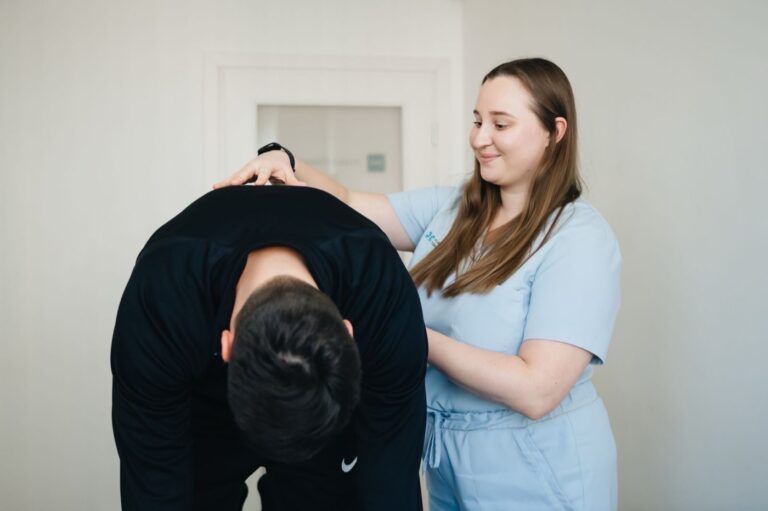
A physiotherapist looks at why your shins were overloaded in the first place, so that the problem does not simply return. That includes your training history, strength, movement and footwear. You leave with a plan you can follow on your own between visits.
What an assessment includes
At Tonic Physio in Milton, a runner’s visit usually covers your training diary, ankle, hip and foot movement, calf and hip strength, and a look at how you run. We then set out load changes, exercises and a realistic timeline for returning to running.
Bring the shoes you run in, plus a note of your usual routes and weekly pace, so the therapist can see what your legs are dealing with. You may be asked to squat, hop or jog briefly so we can watch how your body absorbs load. Everything is explained first, and you can pause at any time.
Our running injury assessment brings these checks together. Extended health benefits, WSIB or auto insurance may apply depending on how the injury began.
Booking
If shin pain is keeping you from running, you can book an assessment online to see whether a structured plan fits your goals.