Orthotics for plantar fasciitis work by changing how your foot loads the plantar fascia, the band of tissue under your arch, with every step. They support the arch and cushion the heel so the sore tissue is strained less. They are one part of a plan that also includes stretching, strengthening and managing how much you stand, walk or run.
Key Takeaway: Orthotics may ease plantar fasciitis by supporting the arch and cushioning the heel, which lowers the strain on the sore tissue. A store-bought insole is a reasonable first trial, and a custom device may suit stubborn or unusual cases. Orthotics work best alongside stretching, strengthening and sensible changes in activity.
How do orthotics help plantar fasciitis?
Orthotics help by sharing load across the foot instead of letting it concentrate on the heel and arch. The plantar fascia is a thick band of connective tissue that supports the arch and absorbs shock when you walk. A well-fitted orthotic aims to reduce the strain it takes on each step.
What the plantar fascia does
A review in Canadian Family Physician describes the plantar fascia as a thick sheath that supports the arch and acts as a tension bridge. It gives support when you stand still and absorbs shock when you move. Pain usually builds where it attaches to the heel bone.
The review also notes that “fasciitis” may not be the best word, because studies show a degenerative process rather than classic inflammation. That helps explain why rest alone often does not settle it.
How an orthotic changes the load
An orthotic sits inside your shoe and changes how pressure travels through the foot. It can hold the arch in a more supported position, spread pressure across more of the sole and cushion the heel. Together, these changes may lower the pull on the fascia during standing and walking.
That does not mean the foot is being “fixed”. It means the tissue gets a lower dose of strain while it recovers and while you build strength elsewhere.
Wearing orthotics does not replace movement. Gentle walking within comfort and regular foot exercises still matter. The device is meant to make those activities easier to tolerate.
What does the evidence say about orthotics for plantar fasciitis?
Research suggests orthotics may reduce pain for some people with plantar fasciitis, but the evidence is not perfect. Studies vary in size and design, and results differ between people. The most honest summary is that orthotics are a reasonable option, not a sure fix.
Studies on custom orthotics
A 2018 randomised trial of 60 people with plantar fasciopathy compared custom foot orthoses with new shoes, sham insoles and regular shoes. At 12 weeks the custom orthoses group had less first-step pain than the other groups. The orthoses group also showed a thinner plantar fascia on ultrasound.
The trial was small, so it cannot show that every foot responds the same way. It does suggest the effect is more than a placebo.
Reviews and the limits of the research
A systematic review of six randomised trials found that customized foot orthoses and corticosteroid injections both reduced pain from plantar fasciitis. It also noted that the evidence base was limited.
In plain terms, orthotics often help, but not everyone gets the same benefit. A trial of 8 to 12 weeks is a common way to judge whether they suit you.
Keep a short note of your first-step pain each week, rated from 0 to 10. A downward trend is a good sign, while no change after several weeks is a reason to review the plan. Share the notes with your clinician.
Custom orthotics or store-bought insoles?
Both can play a role, and the right choice depends on your foot, your symptoms and how long they have lasted. The National Health Service in England suggests insoles or heel pads as a first step, and a podiatrist for insoles and footwear advice if symptoms continue. A prefabricated insole is a reasonable first trial for many people.
| Feature | Store-bought insole | Custom orthotic |
|---|---|---|
| Fit | Standard shapes in set sizes | Made from an assessment of your foot and gait |
| Cost | Lower | Higher |
| May suit | Mild, recent symptoms as a first trial | Stubborn symptoms or an unusual foot shape |
When a prefabricated insole may be enough
A cushioned, supportive insole can help if your symptoms are mild, recent and fit the typical pattern. Choose one with a firm arch and a cushioned heel, and wear it in supportive shoes. Give it a few weeks before deciding whether it helps.
Our guide to custom orthotics versus drugstore insoles compares the options in more detail.
When a custom orthotic may be worth considering
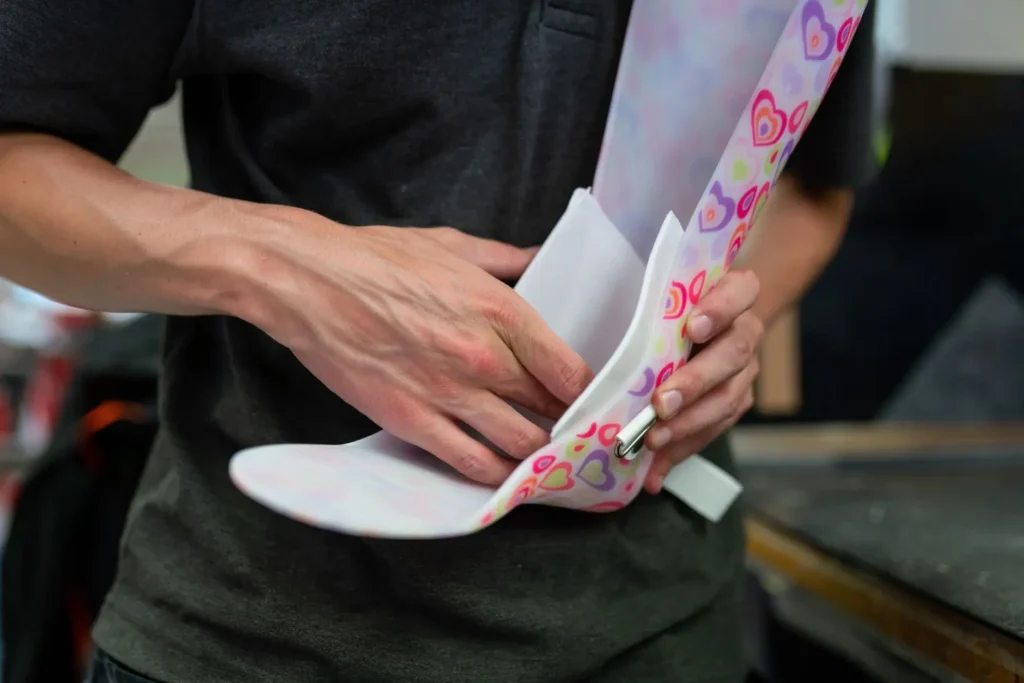
Custom devices are made from an assessment of your foot, your gait and your activity. They may suit you if symptoms are stubborn, if your foot shape is unusual, or if a simple insole helped but not enough. Our article on signs you may need orthotics for heel pain lists the common clues.
Patients exploring custom foot orthotics in Milton usually start with an assessment, since the device is built from your findings.
Who is more likely to get plantar fasciitis?
Plantar fasciitis is common, and it often builds up gradually when the load on the foot rises faster than the tissue can adapt. The NHS says it is not always clear why it happens. Several factors are linked with a higher chance of developing it.
Common risk factors
- Being between 40 and 60 years of age
- Starting a new exercise program, especially on hard surfaces
- Tight calf muscles or a tight heel
- Spending long hours standing, walking or running
- Doing much more than usual, such as a long day on your feet on holiday
Having several of these together raises the load on the fascia. Orthotics only address part of this picture, which is why the assessment looks at work, sport and calf flexibility as well as the foot.
Is it plantar fasciitis or another heel problem?
Heel pain has several causes, and the NHS advises against diagnosing the cause yourself. Pain that is sharpest with the first steps after rest and eases as you move fits plantar fasciitis. Pain at the back of the heel and into the calf may point to the Achilles tendon, and redness with a dull ache may suggest bursitis.
A broken heel bone needs urgent care and should not be treated at home. An assessment sorts these out before any device is chosen.
What does the fitting process involve?
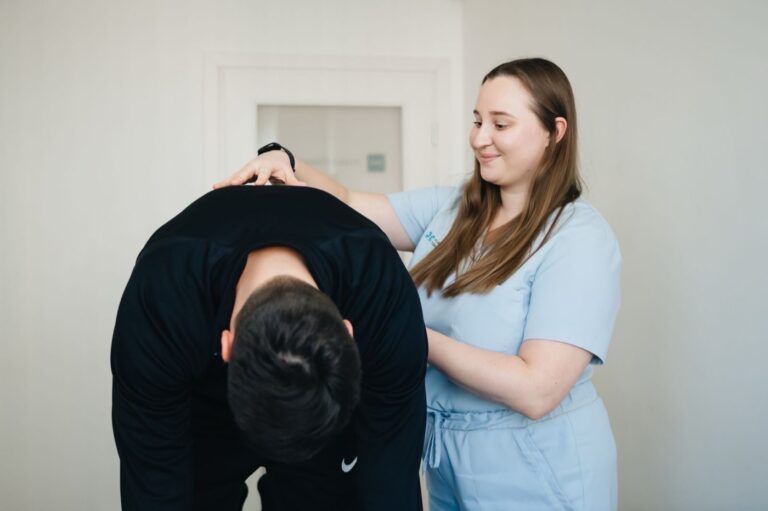
A good fitting begins with listening and testing, not with a scan alone. The clinician asks about your pain, work, sport and footwear, then examines your foot, ankle and walking pattern. The device is then designed around what the assessment shows.
Assessment and measurement
Expect questions about when the pain started, what makes it better or worse, and how long you stand each day. The assessment may include checking foot posture, ankle and big toe movement, calf flexibility and how you walk. Foot shape is then captured with a scan, a foam impression or a cast.
Break-in and follow-up
New orthotics often need a short break-in period. Many clinicians suggest wearing them for a few hours a day at first and building up over a week or two. Tell your clinician if they cause new pain, rubbing or numbness, since adjustments are common.
Ask how long the device usually lasts and when to book a check. Orthotics can wear down with use, and your clinician can advise when a review or replacement makes sense.
Check how your shoes fit with the device inside. A removable insole and enough depth in the shoe make a difference.
What else helps plantar fasciitis besides orthotics?
Orthotics reduce load, but the tissue also needs to become stronger and better able to cope. The research on exercise is encouraging. Most plans combine orthotics with stretching, strengthening and sensible changes in activity.
Stretching and strengthening
The NHS lists gentle stretches for the sole of the foot and heel among the usual self-care steps. Canadian Family Physician also describes a home program of heel raises that load the fascia gradually, known as high-load strength training. Both are worth discussing with a physiotherapist, who can adjust the load to suit you.
Do not push through sharp pain. A physiotherapist can show you a safe starting point.
A simple way to start is a gentle calf stretch and a seated foot stretch first thing in the morning, before your first steps. Hold each for about 30 seconds. Stop if the stretch brings on sharp heel pain.
Footwear, load and weight
The NHS recommends shoes with cushioned heels and good arch support. It also advises avoiding long periods of standing and walking barefoot on hard surfaces. Reducing sudden jumps in walking or running, and replacing worn shoes, helps lower the daily load.
Some people also need help with calf tightness, hip strength or work habits. These are things a physiotherapist assesses along with the foot.
An orthotic works inside the shoe, so the shoe matters. Look for a removable insole, a firm heel counter and enough depth for the device to sit flat. Soft, floppy shoes can undo much of the support.
If you stand all day at work, a second pair of supportive shoes to alternate between can also help spread the load across the week.
Try to use the orthotics in the shoes you wear most, including work shoes. A device that stays in a cupboard cannot help. If a pair of shoes does not fit with the insert, tell your clinician so another option can be found.
How long does plantar fasciitis take to improve?
Recovery varies a lot. Many cases improve over weeks to months, though some linger. The Canadian Family Physician review notes that symptoms typically improve within a year of onset regardless of treatment, but a significant share of people still have symptoms after two years.
What to expect over the first few months
Many people notice that morning first-step pain starts to ease gradually, though the pace differs. A fair trial of a plan, including orthotics, is often 8 to 12 weeks. If you have not improved by then, talk to your physiotherapist or doctor about the next step.
When other options are discussed
The NHS notes that if plantar fasciitis does not get better, options can include steroid injections or shockwave therapy. Our post on shockwave therapy for plantar fasciitis explains what that involves. Shockwave is usually discussed once simpler measures have had a fair trial.
When should you see a doctor?
Most heel pain is not serious, but some signs need a medical check. The NHS advises seeing a doctor if foot pain is severe, getting worse, keeps coming back or has not improved after two weeks of self-care. Do not assume your heel pain is plantar fasciitis without an assessment.
Signs that need a doctor’s check
- Tingling, numbness or loss of feeling in the foot
- Pain together with diabetes, since foot problems can be more serious
- Heel pain that is severe, constant or wakes you at night
- Pain that has not improved after a few weeks, or keeps returning
- Swelling, redness or warmth in the heel
You can call Health811 at 8-1-1 for free advice from a registered nurse if you are unsure how urgent it is.
Signs that need urgent care
Go to the nearest emergency department or call 911 if you have severe pain after a fall or twist, cannot put weight on the foot, or notice an obvious deformity. A sudden pop and sharp pain at the back of the heel also needs prompt assessment.
How can physiotherapy in Milton help with plantar fasciitis?
A physiotherapist looks at why the fascia became overloaded and builds a plan around it. That may include orthotics, an exercise program, advice on footwear and load, and hands-on care. You leave with a plan you can follow between visits.
What a visit includes
At Tonic Physio in Milton, we assess your foot, ankle, hips and walking pattern, along with your work and sport. We explain whether orthotics are likely to help, and whether a simple insole is worth trying first. Extended health benefits often include orthotics and physiotherapy, though coverage differs, so check your policy.
Booking
In Ontario you can see a physiotherapist without a physician referral, though some insurers ask for one. The College of Physiotherapists of Ontario regulates physiotherapists in the province. If heel pain is limiting your day, you can book an assessment online to see whether orthotics suit you.
Sources
This article draws on the NHS plantar fasciitis guidance, a Canadian Family Physician article on high-load strength training, a randomised trial of custom foot orthoses and a systematic review of orthoses and corticosteroid injections. It is general information and does not replace an assessment.