Runner’s knee is pain around or behind the kneecap that builds with running, stairs, squatting or long periods of sitting. Most people improve with a mix of load changes and strengthening for the hips and thighs, often over several weeks to a few months. A physiotherapist can help you find the right dose.
Key Takeaway: Runner’s knee is pain around the kneecap that often settles over several weeks to a few months with sensible load changes and hip and thigh strengthening. Mild discomfort that eases within about a day is usually acceptable, but sharp pain, swelling, locking or giving way needs assessment.
What is runner’s knee?
Runner’s knee is the everyday name for patellofemoral pain. It describes pain in the front of the knee where the kneecap (patella) glides over the thigh bone (femur). It is common in people who run, hike, cycle and play court or field sports around Milton and the wider Halton Region.
What does runner’s knee feel like?
Most people describe a dull, aching pain around or under the kneecap. It often shows up on hills, on stairs, when squatting, or when you stand up after sitting for a long time. Some people hear or feel grinding without any pain, which on its own is not a problem.
Pain may start on one side and spread to both knees. It can ease as you warm up and then return later in the day.
Swelling is not typical of runner’s knee. If the knee puffs up, think about other causes and have it checked.
Runner’s knee compared with other knee pain
Doctors call it patellofemoral pain, but most runners search for runners knee. Other problems can feel similar, so the pattern matters.
- Runner’s knee: aching at the front, worse with stairs, squats and running.
- IT band pain: sharp pain on the outer knee that often starts at a set distance.
- Meniscus irritation: catching, locking or pain on the joint line after a twist.
- Patellar tendon pain: pain just below the kneecap that worsens with jumping.
An assessment sorts these out, because the plan for each one is different. Our guide to persistent knee pain explains how that process works.
What causes runner’s knee?
Runner’s knee rarely has one cause. It usually appears when the load on the joint grows faster than the tissues can adapt. Several factors tend to stack together.
Sudden changes in training load
More distance, more hills or more speed in a short time is the most common trigger. A new training block, a race entry or a return after a break can all push the load up too fast. Our article on how to increase running mileage without injury covers a safer way to build.
Strength and movement patterns
Weak hip and thigh muscles may let the knee drift inward as you land. That can raise the stress under the kneecap with every step. Tight calves and thighs can add to the load.
Foot position, stride length and running cadence also play a part. A running gait assessment can show which of these matter for you.
Sitting for long periods with bent knees can also make the front of the knee grumpy. Many people notice more pain after a long drive on Highway 401 or a full day at a desk. Standing up and moving every 30 to 45 minutes may help.
Footwear, surfaces and hills
Worn shoes, a sudden switch to a very different shoe, or a move from soft trails to hard pavement can change how your knee takes the load. Downhill running tends to bother the front of the knee more than flat running. If you run the trails near Kelso Conservation Area, steep descents are often the first place symptoms appear.
How long does runner’s knee take to heal?
Recovery time varies from person to person. Many people notice improvement within a few weeks of changing their training and starting strengthening, while others need a few months. It tends to be slower when pain has been present for a long time.
A realistic recovery timeline
Think in phases rather than dates. In the first one to two weeks, you reduce the activities that flare the knee and start gentle strength work. Over the next several weeks, you build strength and slowly add running back.
Full return to your usual training often takes longer. Rushing the last phase is the most common reason runner’s knee returns.
The ranges below are a rough guide only. Your own timeline may be shorter or longer.
| Stage | Typical focus | What to expect |
|---|---|---|
| Weeks 1 to 2 | Trim the load that flares the knee and start gentle hip and thigh work | Pain often becomes more predictable and starts to ease |
| Weeks 3 to 8 | Progress strength and bring back run-walk intervals | Stairs and squats usually feel easier |
| Week 8 onward | Add distance and hills one step at a time | A return to usual training, with flare-ups settling faster |
What can slow recovery down
- Resting completely without rebuilding strength
- Returning to full mileage as soon as pain eases
- Skipping hip and thigh strengthening
- Poor sleep and high stress, which can affect pain sensitivity
- Pain that has lasted many months before treatment starts
Give each stage enough time. A knee that feels good for two days is not yet ready for a hard long run, and a short setback does not mean you are back at the start. Most plans work best when you progress one step, wait, and check how the knee responds the next morning.
If you have not improved after four to six weeks of steady effort, book an assessment. A physiotherapist can check for missed contributors.
How is runner’s knee treated?
Treatment aims to settle the pain, build strength and get you running again with a plan that fits your training. The best-supported approach is exercise therapy for the hips and knees. A 2018 international consensus statement on patellofemoral pain recommends exercise as a core treatment.
The same statement describes the evidence for taping, bracing and some hands-on techniques as less certain. It also advises against relying on mobilisations or electrical devices alone. You can read the full statement on PubMed.
Load management first
You do not need to stop moving. You change the dose of the things that flare the knee. That might mean shorter runs, fewer hills, softer surfaces or a run-walk pattern for a few weeks.
A short training log helps. Note the distance, the surface, your shoes and your knee pain score during the run and the morning after. Patterns show up quickly, such as pain after hilly routes or after runs on back-to-back days, and they help you adjust the plan.
Cross-training can keep your fitness up while the knee settles. Cycling, swimming and brisk walking are options many people tolerate, as long as the pain stays mild.
Strengthening and movement retraining
A good program targets the hips, thighs and calves. It also trains how you land, step and turn. Your physiotherapist adjusts the exercises as pain settles.
Taping, orthotics and hands-on care
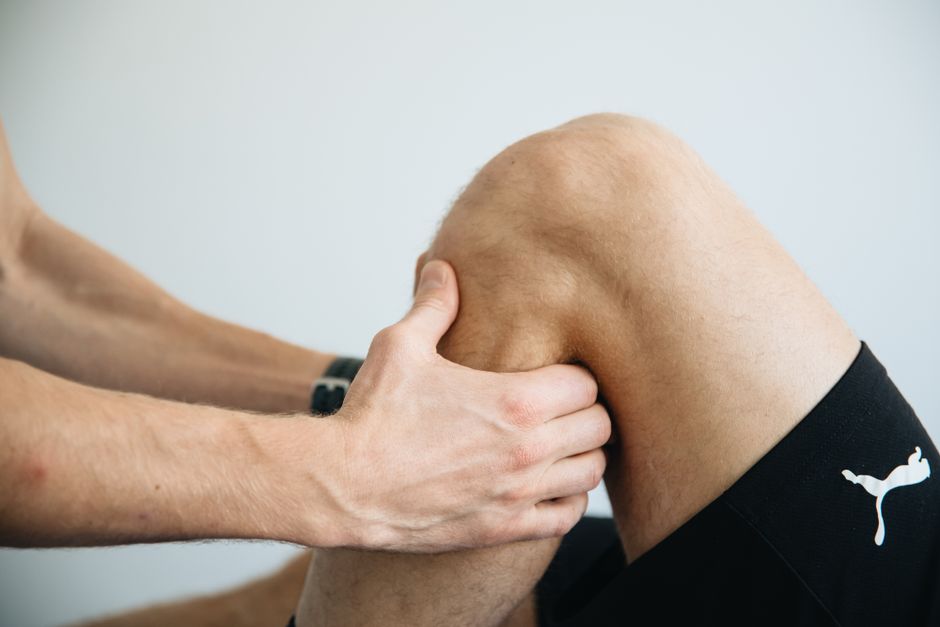
Some people find that taping or foot orthotics ease pain while they strengthen. Manual therapy may help with stiffness and pain in the short term.
These work best as add-ons to exercise, not as the whole plan. Our guide on custom orthotics versus drugstore insoles explains when foot support may be worth considering.
Understanding why the knee hurts often lowers fear and helps you stay active. Good sleep and steady stress levels also support recovery. The American Academy of Orthopaedic Surgeons offers a clear patient overview if you want a second explanation.
Which exercises help runner’s knee?
The exercises below are common starting points. Choose a version that feels comfortable and stop if pain climbs above a mild level. Your physiotherapist can adjust the sets, reps and progressions for you.
Hip strengthening exercises
- Side-lying leg lift: 2 to 3 sets of 10 to 15 on each side.
- Glute bridge: 2 to 3 sets of 10 to 12 with a short pause at the top.
- Banded side step: 2 to 3 sets of 10 steps each way.
Do these three or four days a week. Keep the movements slow and controlled.
Thigh and knee strengthening exercises
- Sit-to-stand from a chair: 2 to 3 sets of 8 to 12.
- Step-down from a low step: 2 sets of 8 on each leg, keeping the knee over the middle toes.
- Wall sit: 3 holds of 20 to 30 seconds at a comfortable depth.
If the front of the knee hurts more than mildly, reduce the depth or the range. Build slowly over several weeks.
If you cannot do an exercise without pain, shrink it. Use a shallower range, a slower tempo or a hand on a wall for balance. Small, repeatable wins build more strength than one heroic session.
Calf and thigh flexibility
Gentle calf and quadriceps stretches may help if these muscles feel tight. Hold each stretch for 30 seconds, two or three times, after a run or warm-up. Stretching alone rarely fixes runner’s knee, so pair it with strength work.
Can you keep running with runner’s knee?
Many people can keep running in a modified way, but it depends on how irritable the knee is. A simple pain rule can guide you. Mild discomfort that settles within about 24 hours is often acceptable, while sharp or worsening pain is a signal to cut back.
A simple pain guide
Pain is not a perfect measure of tissue damage, but it is a useful signal for adjusting your load. Rate your knee from 0 to 10 during and after each run. Many clinicians accept mild discomfort that settles quickly and ask you to back off when it climbs or lingers.
- Mild and settling: you may continue with a reduced load.
- Moderate or lingering into the next day: cut distance, hills and speed.
- Sharp, swelling or limping: stop running and get assessed.
A gradual return to running
Start with run-walk intervals on flat ground, such as one minute of running and one minute of walking. Add a little running time each session as long as the knee stays calm the next day. Run every second day at first so tissues can adapt.
Once you can run 20 to 30 minutes comfortably, add distance and hills one at a time. Change only one variable per week.
Cadence and form tweaks
Taking slightly shorter, quicker steps may reduce the load on the knee for some runners. Try the change on easy runs first and keep it small. A clinician can help you test what suits your body.
When should you see a doctor or go to emergency?
Most front-of-knee pain is not dangerous. Some signs, however, point to a different problem that needs medical attention. Seek care promptly when you notice any of the following.
See a doctor soon if
- The knee swells noticeably or feels warm
- It locks, catches or gives way
- You cannot fully straighten or bend it
- Pain follows a fall, twist or direct blow
- Pain wakes you at night or does not ease with rest
Go to emergency or call 911 if
Go to the nearest emergency department if you cannot put weight on the leg after an injury or the knee looks deformed. Seek urgent care for a hot, red, swollen knee with a fever, because infection is possible. A calf that becomes suddenly swollen, tender and warm also needs same-day assessment.
How can physiotherapy in Milton help?
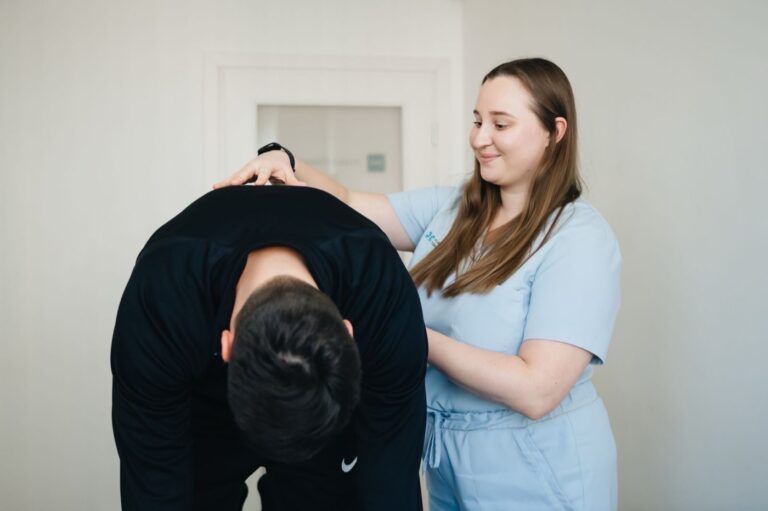
You do not need a doctor’s referral to see a physiotherapist in Ontario. Your first visit includes a history, movement testing and a plan for training and strength. Physiotherapists in Ontario are regulated by the College of Physiotherapists of Ontario.
What happens at an assessment
We look at how you squat, step, land and run, and we test hip, thigh and calf strength. You leave with a clear plan, a few key exercises and guidance on how much to run. Learn more about knee pain treatment in Milton.
Bring your usual running shoes and a note of your weekly mileage to the first visit. Both help your physiotherapist see how your load and your footwear may be adding to the problem.
Coverage and billing
OHIP covers physiotherapy only in limited situations, so many people use extended health benefits. Direct billing may be available with some insurers, so bring your plan details to your visit. Work-related injuries may fall under WSIB.
If runner’s knee is holding back your training, you can book a physiotherapy visit online to talk through a plan.